ATV Adventures Around Lake of the Woods

atv

ATV Fun = Ride, Explore, Enjoy

If you enjoy riding your ATV or side-by-side and love exploring the outdoors, Lake of the Woods is the perfect destination for your next adventure. Whether you’re an experienced rider or just getting started, this area offers thousands of acres of public land, hundreds of miles of trails, and beautiful sights in every direction.

Some riders choose to stay at a resort where they can drive their ATV or UTV right from the front door onto the trail system. Others prefer trailering their machines into one of our scenic state forests and riding from there. Either way, you’ll find great trails, light traffic, and plenty of opportunities to explore.

A Growing Sport for All Ages
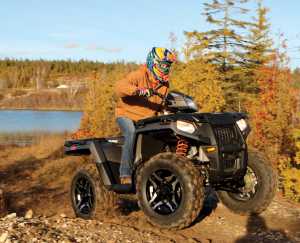
atvATV riding has grown in popularity with people of all ages. Whether you’re young or young-at-heart, Lake of the Woods offers unforgettable riding experiences. From wide open gravel roads to scenic forest trails, there’s something for everyone.

For maps, trail info, and more outdoor adventures, visit www.LakeoftheWoodsMN.com. Click on “Outdoor Adventures” to find the ATV page, where you’ll discover a variety of trail maps, scenic drives, and helpful resources for planning your trip.

Where Can You Ride?

Beltrami State Park sign In Minnesota state forests, including those in Lake of the Woods County, off-highway vehicles (OHVs) like ATVs and UTVs can travel on any forest trail not marked as closed for environmental or safety reasons. That means thousands of acres are open and ready to explore.

Here are just a few highlights:

  • Beltrami Island State Forest (west of Baudette): 66,903 acres
  • Pine Island State Forest (east of Baudette): 878,040 acres
  • Northwest Angle State Forest (north end of Lake of the Woods County): 144,412 acres

Together, these forests offer an incredible amount of open space and trails for outdoor exploration.

atv
Beltrami State Forest

Faunce Tower and the Bankton Trails

One of the most popular areas to ride is near Faunce Tower, located in Beltrami Island State Forest. The Bankton Forest Road system, south of Williams and Roosevelt, includes about 238 miles of trails. This vast network follows county roads, township roads, ditch banks, and old logging routes. Locals often know additional back roads that offer even more great riding.

The trails are especially popular during the summer and fall months and are known for their scenic beauty and peacefulness.

Explore History on the Homesteaders Trail

Along the Bankton Forest Road lies the Homesteaders Trail, a route rich in history. Years ago, families claimed land in the area and built a small community called Bankton. They logged timber, farmed the land, and lived off the natural resources.


Today, you can still see signs of this old settlement. Willow and lilac bushes mark former homesites. Two historic cemeteries — Hamilton Farm (also called Germanson Cemetery) and Bankton (also known as God’s Acre Cemetery) — remain as reminders of the past. Informational signs along the road tell the story and show the locations of these special places.

Tips for Your Trip

  • Many resorts in the Lake of the Woods area have lodging and amenities for ATV travelers
  • Some even allow you to drive your ATV directly from your cabin or campsite to the trail.
  • If you’re staying in town or farther from the trails, trailering your ATV is easy and convenient.
  • Trails are also great for mountain bikers and other outdoor adventurers.

Come for the Fishing, Stay for the Trails

Lake of the Woods is known as the Walleye Capital of the World, but there’s so much more to enjoy. After you’ve had your fill of world-class fishing, hop on your ATV and explore the forests and backroads of northern Minnesota. It’s an unforgettable way to experience the area’s natural beauty.

Plan Your Adventure Today

See our website at:  www.LakeoftheWoodsMN.com
View our Lodging page at: www.LakeoftheWoodsMN.com/lodging
 Follow us on Facebook: www.facebook.com/LakeoftheWoodsMN

Come explore Lake of the Woods — by land and by water!


Blueberry Muffins with Sour Cream

blueberry

Ingredients

  • 4 large eggs
  • 2 cups sugar
  • 1 cup canola oil
    blueberry
    Photo by Taste of Home
  • 1 teaspoon vanilla extract
  • 4 cups all-purpose flour
  • 1 teaspoon salt
  • 1 teaspoon baking soda
  • 2 teaspoons baking powder
  • 2 cups sour cream
  • 2 cups fresh blueberries

Directions

  1. Preheat oven to 400°. In a bowl, beat eggs. Gradually add sugar. While beating, slowly pour in oil; add vanilla. Combine the next 4 ingredients; add alternately with the sour cream to the egg mixture. Gently fold in blueberries.

Fill 24 greased muffin cups three-fourths full. Bake until a toothpick inserted in center comes out clean, 18-20 minutes. Cool 5 minutes before removing from pans to wire racks.

Fishing Report 7.29.2025

fishing

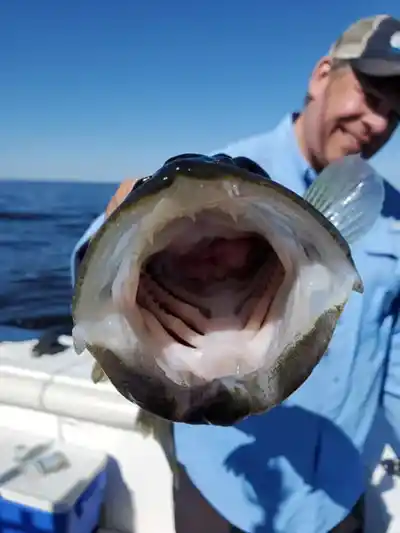
On the South Shore…  Deep summer patterns continue to dominate the walleye bite on Lake of the Woods, and the action has remained excellent. Anglers are having consistent success using three different techniques — spinner rigs with crawlers, trolling crankbaits, and even jigging, which is impressively still producing.

fishing
Walleye on Charter

Most anglers are pulling crawler harnesses over the expansive mud basin of Big Traverse Bay. Depths of 25 to 35 feet have been the sweet spot. Drifting or trolling at 1.0 – 1.25 mph has been the ticket for connecting with numbers of eater-size walleyes and saugers, as well as the occasional big slot fish (19.5–28 inches), which must be released.

Hot Spinner Colors: Gold continues to be the go-to, with gold/orange, gold/pink, and gold/glow red all producing well in the stained water.

fishing
Muskie

Trolling crankbaits is also putting good fish in the boat, especially for those looking to cover water and target scattered schools of walleyes. The best crankbait colors remain the classics — firetiger, pink UV firetiger, chartreuse, chrome/blue, and of course, gold.

While many anglers shift away from jigging in late July, some are still finding success by vertical jigging with frozen emerald shiners. It’s been a unique season where all three techniques — spinners, crankbaits, and jigs — are continuing to produce solid results.

On the Rainy River…  The Rainy River offers a quieter alternative and is a great place to fish, especially on days when the wind whips up. A variety of species are being caught, and the sturgeon “keep” season is in full swing through September. Anglers targeting sturgeon are using circle hooks baited with crawlers or frozen emerald shiners and fishing deep holes or current seams.

In addition to sturgeon, it’s common to catch walleyes, saugers, suckers, smallmouth bass, or northern pike while soaking bait on the bottom. With lighter boat traffic and beautiful scenery, it’s an enjoyable place to kick back and bend a rod.

Up at the Northwest Angle…  Fishing remains excellent at the Northwest Angle, with walleyes being caught using a variety of methods. Anglers are jigging with minnows or plastics around structure like sunken islands, points, and neck-down areas. Others are pulling crawler harnesses with bottom bouncers over mud or along transitions from mud to rock.

This part of the lake also offers great multi-species action. Northern pike, jumbo perch, smallmouth bass, and even crappies are providing bonus bites. And with rising water temps, the muskie bite is strong as well.

Drifting and Trolling Spinners for Summer Walleyes on Lake of the Woods

walleye spinner in mouth on a Lake of the Woods charter boat

Drifting and Trolling Spinners for Summer Walleyes on Lake of the Woods

Table of Contents

walleye spinner in mouth on a Lake of the Woods charter boat

Why Crawler Harnesses Catch Thousands of Fish Every Year

If you’ve ever fished for walleyes on Lake of the Woods, you’ve probably heard of crawler harnesses—also called snelled spinners or just “spinners.” These rigs are one of the most effective ways to catch walleyes during the summer, and for good reason. They’ve been a favorite technique for guides, charter captains, and visiting anglers for decades. Whether you’re brand new to fishing or have chased walleyes for years, pulling a spinner with a nightcrawler is a great way to catch fish and cover water.

Why Spinners Work So Well

Although this vide was filmed a few years ago, it gives some good info from the water on pulling spinners or crawler harnesses.  

Youtube video

A crawler harness is a simple rig that combines color, flash, vibration, scent, and action—all things that walleyes love.

The spinning blade flashes and vibrates in the water, which attracts fish from a distance.

The beads and blades add bright colors to get the walleye’s attention.

The crawler (or minnow, leech, or even a plastic) gives the rig a tasty scent and natural movement.

And because you’re drifting or trolling, you can cover a lot of ground to find fish fast.

Lake of the Woods has stained water, which means walleyes rely more on feel and smell than sight. The vibration from the spinner is picked up by their lateral line—a sense organ that detects movement and sound in the water. That’s a big reason why spinners work so well here.

How to Rig It Up

A common setup includes a 2-ounce bottom bouncer sinker and a crawler harness with a 4 to 6-foot snell. On Lake of the Woods, because of the stained water, a 5-foot snell is a great choice.

The idea is to keep your line at a 45-degree angle to the boat while drifting or trolling. This ensures the blade spins at just the right speed. You’re not dragging your spinner way behind like you would with a crankbait. Instead, you’re staying close to the bottom, just ticking it once in a while to know you’re in the strike zone.

Aim for a trolling speed of about 1.0 to 1.25 mph. Too fast, and the presentation might not look natural. Too slow, and you won’t cover enough ground.

How to Detect a Bite

Walleye bites on spinners are usually subtle—more like a wet sock than a hard hit. When you feel the rod load up, lower your rod tip slowly for a couple of seconds so the fish doesn’t feel resistance. Then, sweep the rod forward to set the hook. A mild hookset usually does the trick.

If you’re using crawlers, go with a two-hook harness and pinch the tail of the crawler off so only 3–4 inches trail behind the last hook. This helps reduce short strikes and missed fish.

The idea is to keep your line at a 45-degree angle to the boat while drifting or trolling. This ensures the blade spins at just the right speed. You’re not dragging your spinner way behind like you would with a crankbait. Instead, you’re staying close to the bottom, just ticking it once in a while to know you’re in the strike zone.

Aim for a trolling speed of about 1.0 to 1.25 mph. Too fast, and the presentation might not look natural. Too slow, and you won’t cover enough ground.

Easy and Effective for Everyone

Another reason spinners are so popular is that they’re easy to use. You don’t need perfect jigging technique or fancy electronics. Even beginners can catch walleyes using crawler harnesses. They work in shallow and deep water, and they’re great for covering big areas to find active fish.

There are many quality pre-tied spinners available, or you can tie your own. Custom rigs let you play around with bead colors, blade shapes, snell length, and hook spacing. Gold, orange, pink, and chartreuse are all great colors for Lake of the Woods.

If you’re using crawlers, go with a two-hook harness and pinch the tail of the crawler off so only 3–4 inches trail behind the last hook. This helps reduce short strikes and missed fish.

The idea is to keep your line at a 45-degree angle to the boat while drifting or trolling. This ensures the blade spins at just the right speed. You’re not dragging your spinner way behind like you would with a crankbait. Instead, you’re staying close to the bottom, just ticking it once in a while to know you’re in the strike zone.

Aim for a trolling speed of about 1.0 to 1.25 mph. Too fast, and the presentation might not look natural. Too slow, and you won’t cover enough ground.

Try Spinners This Summer

Whether you’re new to Lake of the Woods or have fished it for years, give crawler harnesses a try this summer. They’re a proven way to put walleyes—and other species like saugers, pike, and perch—in the boat. Plus, the thrill of watching your rod tip dip and reeling in a walleye never gets old.

Spinner blades for Lake of the Woods MN Walleyes

Blueberry Pie

blueberry

During Blueberry season in northern Minnesota it’s always great to look forward to that great blueberry pie. Here’s a recipe from Taste of Home that will do the trick!!

Ingredients

  • 4 cups fresh blueberries
  • 1 tablespoon lemon juice
  • 1/2 teaspoon grated lemon zest
  • 1-1/4 to 1-1/2 cups sugar
  • 1/4 cup quick-cooking tapioca blueberry
  • 1 tablespoon cornstarch
  • 1/2 teaspoon ground cinnamon
  • Pastry for a double-crust pie (9 inches)
  • 1 tablespoon butter, softened
  • 1 large egg
  • 1 tablespoon 2% milk
  • Coarse sugar, optional

Directions

  1. Preheat oven to 350°. Combine blueberries, lemon juice and lemon zest. In another bowl, combine sugar, tapioca, cornstarch and cinnamon. Add to berries; toss gently to coat.
  2. On a lightly floured surface, roll half the pie dough to a 1/8-in.-thick circle; transfer to a 9-in. pie plate. Trim crust to 1/2 in. beyond rim of plate. Add blueberry mixture. Dot with butter.
  3. Roll remaining dough to a 1/8-in.-thick circle; cut into 1-in.-wide strips. Arrange over filling in a lattice pattern. Trim and seal strips to edge of bottom crust; flute edge. Whisk egg and milk; brush over crust. If desired, sprinkle with coarse sugar.
  4. Bake 30 minutes. Cover edge loosely with foil. Bake until crust is golden brown and berries have burst, about 30-35 minutes more. Cool on a wire rack.

Pastry for double-crust pie (9 inches): Combine 2-1/2 cups all-purpose flour and 1/2 tsp. salt; cut in 1 cup cold butter until crumbly. Gradually add 1/3 to 2/3 cup ice water, tossing with a fork until dough holds together when pressed. Divide dough in half. Shape each into a disk; wrap in plastic wrap. Refrigerate 1 hour or overnight.

Employment Opportunities-Lots of Variety Living in God’s Country

employment

Spend a Winter Working Where Others Vacation: Employment at Lake of the Woods Resorts
Now hiring for the 2025–26 ice season!

When most people think of winter, they picture shoveling sidewalks and scraping windshields. Up at Lake of the Woods, winter looks very different. Picture a sunrise over a frozen island chain, heated fish employment  houses lined up on a vast white lake, snow machines buzzing, and smiling guests reeling in walleyes through the ice. Every winter, tens of thousands of visitors travel from across the country—and even overseas—to experience world-class ice fishing and true North Country hospitality. Behind that great experience are hard-working people. This year, that could be you. employment


Why Look for Employment in a Winter Up North?

Lake of the Woods isn’t just another seasonal job stop. It’s a tight-knit hospitality and outdoor community spread across the Rainy River, the South Shore of Lake of the Woods, and the remote, beautiful Northwest Angle (the northernmost point in the lower 48). Guests remember the fish, but they come back for the people—the guides, cooks, cleaners, front desk hosts, and drivers who make their trips easy, fun, and comfortable.

If you enjoy the outdoors, like helping people, or want to try something new for a season, this is a chance to build memories, skills, and friendships that last long after the ice melts.


Seasonal & Full-Time Employment Roles Available

Resorts, hotels, outfitters, and restaurants across the region are now hiring for winter. Openings exist for both indoor and outdoor work, entry-level through leadership. Common roles include:

On-Ice & Outdoor Crew

  • Ice Guides / Fishing Guides
  • Bombardier & Track Vehicle Drivers employment
  • Plowed Road Crew / Ice Road Maintenance
  • Mechanics & Small Engine Techs
  • General Maintenance / Utility Crew

Guest Experience & Hospitality

  • Housekeeping & Cabin Turnover Teams
  • Front Desk / Check-In Hosts
  • Office & Reservations Staff
  • Group Travel Coordinators
  • Managers & Assistant Managers

Food & Beverage Employment

  • Cooks (line, prep, breakfast, fry)
  • Servers employment
  • Bartenders
  • Dish / Kitchen Support

Tourism & Events Support

  • Marketing Assistants
  • Sales Coordinators
  • Trade Show Representatives
  • Social Media / Content Helpers (great for students!)

If you have people skills, can show up on time, and want to learn, there’s almost certainly a place of employment for you.


What Guests See…Because of You

Visitors often arrive tired from a long drive. Then the magic happens:

  • friendly greeting at the front desk.
  • Warm, clean cabins or hotel rooms ready to go.
  • A hot meal, maybe shore lunch or that famous fresh walleye fish fry.
  • heated ride out to the fish house—bombardier, track van, or plowed ice road.
  • Prepped fish houses: holes drilled and cleaned, propane full, snow banked, thermostat set at 70°, lines ready.
  • Helpful advice: “Drop your line to bottom, reel up a crank, and jig slow.”

employment All of that takes teamwork. Mechanics keep the rigs running. Maintenance gets the houses ready. Housekeeping keeps cabins spotless. Cooks and bartenders fuel the fun. Guides get guests on fish. When everything clicks, the guest has the trip of a lifetime—and you helped make it happen.


Housing? In Many Cases—Yes

Some resorts have employee housing on site or nearby. Others can connect you with short-term rentals, shared staff cabins, or local leads. If housing is important, ask early when you inquire. Many seasonal workers return each year and room with friends they met the season before!


Who Thrives Up Here?

People who love:

  • Meeting new folks every day.
  • Working hard, then fishing hard.
  • Snow, ice, and big skies.
  • Storytelling at the bar after shift.
  • Learning new outdoor skills (you’ll pick up a lot).

Retirees, college students on break, tradespeople between projects, teachers on seasonal schedules, and career hospitality pros have all found their way north—and many keep coming back.


What to Ask When Looking for Employment

When contacting a resort, hotel, or restaurant, ask:

  1. Which positions are open? Indoor vs. outdoor? Full vs. part-time?
  2. Season dates? (Most heavy ice season runs Dec–March, though some start earlier.)
  3. Housing options?
  4. Typical weekly hours?
  5. Employee fishing perks or discounts? (Many places offer staff days on the ice!)

Ready to Explore Employment Opportunities?

You can apply directly with your favorite property (each resort hires its own team), or start by reaching out for help matching your skills to openings across the region.

Contact:
Joe Henry, Executive Director Employment Joe Henry with a limit of walleyes on Lake of the Woods at sunset
Lake of the Woods Tourism
joe.henry@LakeoftheWoodsMN.com

Don’t wait—winter hiring ramps up quickly, and the best roles fill early.


Come for a Season. Stay for the Stories.

Whether you guide on the ice, flip walleye fillets in the kitchen, or welcome guests after a long snow road ride, you’ll be part of something special. Winter on Lake of the Woods isn’t just a job—it’s an adventure. Come help us give visitors the trip they’ll talk about for years.

Join the team. Make memories. Experience the North.

For More Information see our website at: www.lakeofthewoodsmn.com

Click on the Lodging tab to view over 50+ resorts in 3 strategic areas of the lake.

See also our facebook page at: www.facebook.com/lakeofthewoodmn

Fishing Report 7.22.2025

fishing

On the South Shore…  It’s mid-July, and the summer walleye patterns on Lake of the Woods are in full effect — and the fishing has been excellent!

As expected this time of year, most anglers are now pulling spinners with crawlers or trolling crankbaits, two proven techniques that are putting good numbers of walleyes and saugers in the boat. fishing Reports are strong, with lots of anglers catching limits of eaters and also encountering plenty of “slot fish.” Slot fish are walleyes between 19.5 and 28.0 inches that must be released to protect the fishery — and many of these are big, healthy, and exciting to catch. Snap a quick photo and release them so they can help produce more walleyes in the future.

Fish are being caught in a range of depths, but 25 to 35 feet over the deep mud basin of Big Traverse Bay has been especially productive.

Best Spinner Colors:  Gold, gold/orange, gold/pink, and gold/glow red have been consistent producers. Troll spinners around 1.0 – 1.25 mph for best results.

Best Crankbait Colors:  In LOW’s stained water, classic colors are hard to beat — gold, firetiger, pink UV firetiger, chartreuse, and chrome/blue are all catching fish.

While jigging typically slows down by now, some anglers are still jigging with frozen emerald shiners and having success. This season has been unique in that all three techniques—jigging, spinner rigs, and cranks—are still getting the job done!

On the Rainy River…  The Rainy River remains a great option, and also a nice backup on windy days or for those who prefer a quiet stretch of water to kick back and relax.

A mixed bag of fish is common here. The sturgeon “keep” season is currently open and runs through September. Anglers can keep one sturgeon between 45–50 inches or one over 75 inches per calendar year (with a tag). Many are soaking crawlers and/or frozen emerald shiners on the bottom to target these giants.

While targeting sturgeon, it’s not unusual to catch walleyes, saugers, suckers, or even a surprise smallmouth or pike. Deeper holes and current breaks are key locations to find fish on the river.

fishing Up at the Northwest Angle…  Fishing continues to be very strong at the Northwest Angle, Minnesota’s northernmost point and one of the most scenic parts of the lake.

Walleyes are being found in a variety of spots, from structure to open mud flats. Some anglers are still jigging with minnows or plastics near points, sunken islands, and neck-down areas where water moves. Others are trolling or drifting with bottom bouncers and crawler harnesses to cover ground, especially on the edges of flats or where mud transitions to rock.

As a bonus, many anglers are enjoying catching a variety of species in this part of the lake, including smallmouth bass, jumbo perch, northern pike, and crappies.

The muskie bite is also heating up with warmer water temps. Anglers are reporting good action, especially on figure-8s at the boat. Gold and bronze blades on bucktails have been effective. Please handle these fish with care and release them quickly.

Why Fish Lake of the Woods in July and August?  While other lakes slow down in the dog days of summer due to thickening weeds, a ton of bait and lots of boats, Lake of the Woods keeps producing. With stained water and a daytime bite, millions of walleyes and saugers, cool depths, and miles of fish-holding water, this fishery stays hot all summer long.

Visit LakeoftheWoodsMN.com for everything you need to plan your next fishing adventure, including resorts, charter guides, boat rentals, and fishing reports.

The bite is on — come make some memories!

Summer Fishing Adventure with Larry Smith Outdoors on Lake of the Woods’ Northwest Angle

joe henry and Larry Smith with a trophy pike on Lake of the Woods

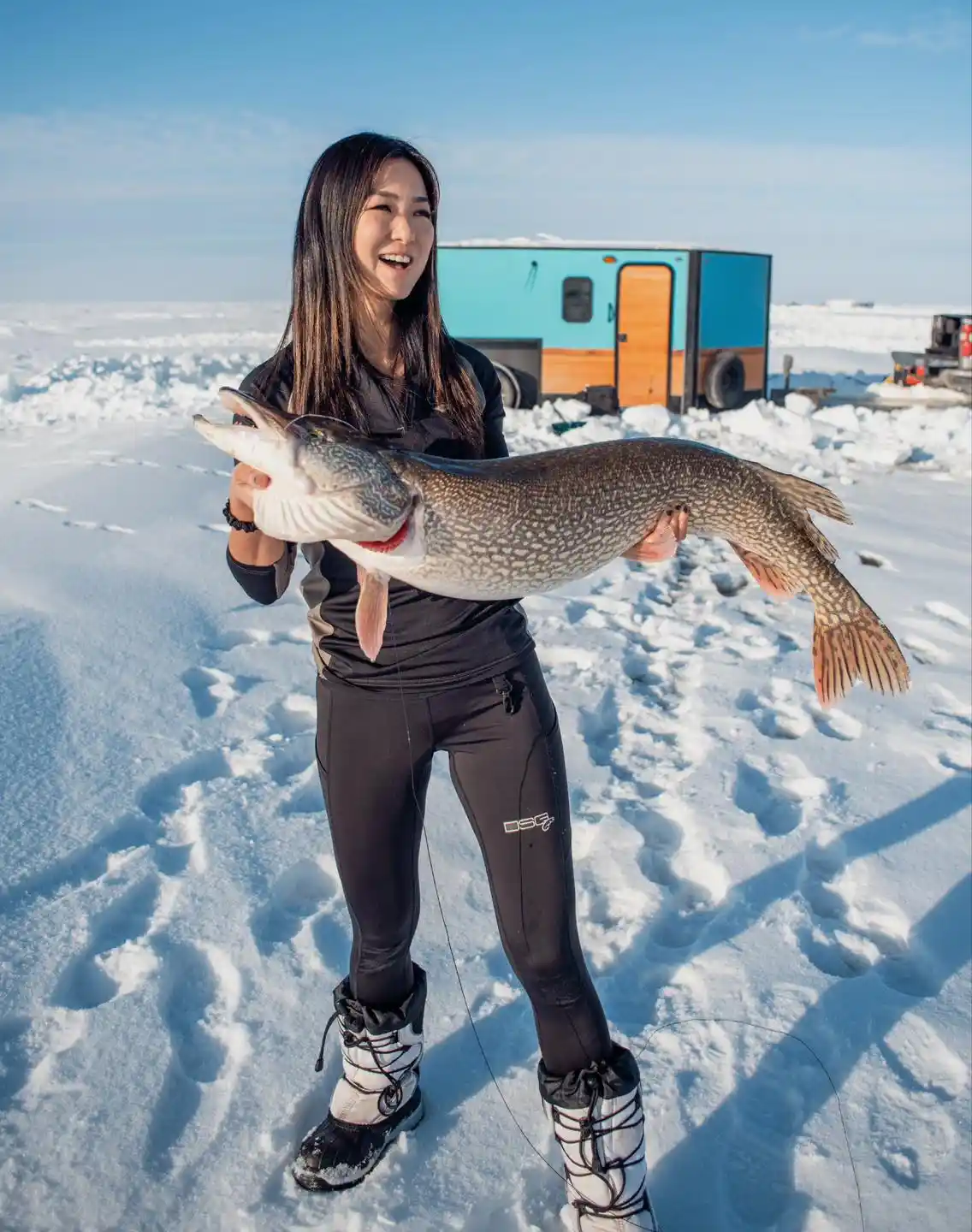
Outdoor television personality Larry Smith has filmed fishing adventures all over the Midwest, but on a recent summer adventure, he checked a big one off his bucket list—open water fishing at the Northwest Angle of Lake of the Woods. And he didn’t do it alone. Larry teamed up with Joe Henry, Executive Director of Lake of the Woods Tourism, for a memorable fishing trip full of laughs, stories, big numbers of walleyes—and one absolute monster northern pike.

As the northernmost point in the contiguous United States, the Northwest Angle offers one of the most unique and productive fisheries in North America. Surrounded by thousands of islands, rocky reefs, and deep-water basins, it’s an angler’s dream. For years, Larry had wanted to experience the open water bite in this corner of Minnesota, and on one of his recent summer visits, it delivered in a big way.

Youtube video

Catching Walleyes and a Giant Pike

During the trip, Larry and Joe put their skills to the test. Using tried-and-true summer walleye techniques, including jigging with minnows and pulling spinners with crawlers, the duo caught good numbers of both walleyes and saugers. Smallmouth bass were also active, making for exciting multispecies action.

But the highlight of the trip was an enormous northern pike. Caught on camera and featured in the episode of Larry Smith Outdoors, the fish was a true Lake of the Woods giant—one of those memorable catches that gets retold around the campfire for years. With its thick shoulders and aggressive strike, the fish was a perfect example of the trophy-caliber pike that call this lake home.

Getting to the Northwest Angle

In this episode, Larry and Joe chose to boat to the Angle, staying in Minnesota waters the entire time. This route avoids passing through Canada, making it a great option for those without passports or vaccination credentials.

That said, there are multiple ways to access the Northwest Angle:

Boat across the lake: Ideal for experienced boaters with the right gear and crew. Conditions can vary, and winds can create big water, so preparation is key.

Lake of the Woods Passenger Service: A popular and stress-free option, this charter shuttle service transports guests across the lake directly to their NW Angle resort. In winter, the service uses heated bombardiers that travel over the ice—an adventure in itself!

Drive through Canada: For those who prefer to drive, driving 40 miles through Canada is the most popular option. Travelers must carry proper credentials to enter Canada, such as a valid passport, passport card, enhanced driver’s license or a combo of an original birth certificate combined with a government issued ID such as a driver’s license.

About Larry Smith Outdoors

Larry Smith Outdoors airs on a variety of outdoor networks throughout the Midwest. Larry is a year-round sportsman—part guide, part farmer, and full-time storyteller. His show highlights real people enjoying the outdoors, and his time at Lake of the Woods was no exception.

With 52 episodes a year, Larry’s content is always fresh, fun, and focused on showcasing great destinations like Lake of the Woods. His enthusiasm for the area was clear, noting that the sheer number of fish, the scenery, and the welcoming hospitality make it a “must-visit” destination for any angler.

The Fishing is Hot and Shows No Signs of Slowing Down

This summer has been incredible on Lake of the Woods. From the deep mud basins of Big Traverse Bay to the rocky reefs of the Northwest Angle, the fish are active, and the action has been consistent. Thanks to a healthy population of walleyes, saugers, jumbo perch, pike, smallmouth bass, and muskies, there’s no shortage of opportunity.

Whether you’re a seasoned angler like Larry Smith or someone planning your first fishing trip, Lake of the Woods continues to shine as one of the Midwest’s premier fishing destinations. Bring your gear—or better yet, let one of the area’s full-service resorts and guides take care of everything. Either way, you’ll leave with memories to last a lifetime.

For more information about planning your trip to the Northwest Angle or Lake of the Woods, including lodging, guides, and transportation options, visit www.LakeoftheWoodsMN.com.

5 Off The Beaten Path Ideas for Water Trails at Lake of the Woods

kayak. kayaking on the Rainy River and Lake of the Woods

Explore Hidden Gems by Canoe or Kayak

Lake of the Woods, located in the far north of Minnesota, is one of the largest lakes in the United States known as the Walleye Capital of the World™. It stretches across the U.S.-Canada border and offers more than 65,000 miles of shoreline. While many people come here to fish or relax by the water, this beautiful area also has some amazing water trails for canoeing and kayaking. Some of the best routes are off the beaten path, giving paddlers a chance to enjoy nature in peace and quiet. Here are five hidden gems you can explore by canoe or kayak.


1. Zippel Bay – A Quiet Paddle with Big Views

Zippel Bay is located on the southern shore of Lake of the Woods. It’s part of Zippel Bay State Park, which has calm, clear waters that are great for beginners or families. The bay is protected from the strong winds of the main lake, making it a safe place for a peaceful paddle. You’ll find sandy beaches, water trails pine trees, and plenty of chances to see wildlife like deer, eagles, and water birds. If you want to make it a full-day adventure, you can paddle along the shoreline, stop for a picnic, and even camp overnight in the state park.


2. Rainy River – History and Nature Combined

The Rainy River forms part of the border between Minnesota and Ontario. It flows from Rainy Lake into Lake of the Woods, and it’s perfect for a longer paddle. This river has a strong current in places, so it’s better for paddlers with some experience. water trails Along the way, you’ll see forests, cliffs, and old settlements that tell the story of the area’s past. You might even spot an old trading post or dock! The river is also home to lake sturgeon—huge fish that can grow longer than a person. Just imagine gliding your kayak over such a historic and scenic river.


3. Rapid River – A Hidden Path for the Adventurous

The Rapid River is a lesser-known trail that flows through remote parts of the Lake of water trails the Woods area. As its name suggests, the water here moves more quickly, so it’s best for paddlers who have some skill and enjoy a challenge. The river winds through forests and marshes, and because it’s so quiet, you’ll likely have the whole trail to yourself. 

This makes it a great place to spot animals like beavers, otters, and maybe even a black bear. Make sure to bring a map and let someone know where you’re going—this trail truly is off the beaten path. Avid canoe people in the area have set up stopping points with cabins along the river for resting and water stops. How nice is that!


4. Four Mile Bay – Great for Birdwatchers (and anglers)

Four Mile Bay is located near the mouth of the Rainy River, right where it enters Lake of the Woods. This area is a mix of shallow water, tall grass, and small islands. It’s perfect for kayaking and canoeing, especially for people who enjoy birdwatching. You might see herons, loons, ducks, and even bald eagles. The water is usually calm, making it a relaxing place to paddle and explore. Because of its location near the town of Baudette, it’s also easy to get to, making it a great choice for a short day-trip.


5. Angle Inlet – The Remote Northern Tip of the NW Angle

Angle Inlet is the northernmost point of the contiguous United States. It’s located in a part of Minnesota that can only be reached by water, small plane, or by driving through water trails Canada. This makes it one of the most remote and exciting places to kayak or canoe in the entire state. The area is full of small islands, rocky shores, and secret bays. You can spend hours—or even days—exploring the peaceful waters and wild landscapes. If you’re looking for a true adventure far from crowds and noise, Angle Inlet is the perfect spot.


Plan Your Adventure

Lake of the Woods is a special place full of natural beauty, quiet trails, and exciting wildlife. Whether you’re a beginner or an experienced paddler, there’s something for everyone. Always wear a life jacket, bring enough water, and check the weather before you go. These water trails may be off the beaten path, but that’s what makes them worth the trip.

With your canoe or kayak ready, it’s time to discover the hidden side of Lake of the Woods, Minnesota.

For more information see our website at: www.lakeofthewoodsmn.com

Click on the Lodging tab for viewing more that 50+ resorts in 3 strategic areas.

Visit our facebook site at: www.facebook.com/lakeofthewoodsmn

The Best Oil to Fry Fish

fry fish

Whether it’s cod, catfish or walleye, we’ll point you to the best oil to fry any kind of fish.

There’s nothing like a beautifully fried piece of fish. It can be halibut or cod, catfish or walleye, beer-battered or bread crumb-crusted, all with a golden brown on the outside, and tender and flaky on the inside. It’s easy to deep fry at home, but there are a few rules to follow to ensure your fried fish comes out perfect.

You first want to make sure you’re picking the best fish for frying. Then decide if you want to deep-fry the fish or simply saute the fish in a pan, both of which require different cooking oils.

For deep-frying, whether in a deep-fryer or a cast-iron pan or high-sided pot, choosing the best oil to fry fish is essential to getting that delicious crispy crunch end result. And that comes down to two things: The oil’s smoke point, and if it will impart any flavor to your fish. We’ll break it all down for you here.

How to Choose the Best Oil For Frying Fish fry fish

If you want a crisp and light tasting piece of fish, it’s imperative to choose the best oil for frying. To properly fry something, you need to keep the oil temperature between 350°F and 375°. Some oils perform well at these higher temperatures, and others just can’t take the heat. Some oils don’t like any heat at all and lose their flavor completely when hot. So how do you choose?

Smoke Point

When picking the best oil to fry fish, start with the smoke point. If the oil doesn’t have a high enough smoke point—the temperature at which oil begins to burn and smoke—it could render the fish soggy and greasy. When you cook oil past its smoke point, it can taste burnt and acrid, imparting those flavors on whatever it is you’re frying. None of this is good for a proper fish fry.

All fats have a smoke point, be it butter, olive oil or canola oil. When you cook with high heat, you want an oil with a high smoke point. Cooking something over low heat, like when you saute something in a pan, you want an oil with a lower smoke point. Here are some popular oils for frying and their smoke points.

Avocado oil: Smoke point 520°
Safflower oil: Smoke point 510°
Peanut oil: Smoke point 450°
Clarified butter (ghee): Smoke point 450°
Vegetable oil: Smoke point 400° to 450°
Canola oil: Smoke point 400°
Coconut oil: Smoke point 350°
Olive oil: Smoke point 325° to 375°

Flavor

When frying fish, you don’t want to mask the delicate flavor of whatever type of fish you’re using. You want your fish to taste great with classic tartar sauce and sides for fried fish! So it’s best to use a neutral oil, like canola, vegetable and safflower oil to fry fish.

Best Oil for Frying Fish

So which oil should you go with to fry fish? Primarily, you need a neutral oil with a high smoke point. These are our preferred oils.

Canola Oil

Canola is kind of the jack-of-all-trades oil and perfect for searing, frying, browning or roasting. Canola is a varietal of the rapeseed plant that was developed in the 1960s using natural crossbreeding. It’s a great go-to for frying fish since it is a very light oil, has a good smoke point and is not too expensive.

Vegetable Oil

With a smoke point between 400º and 450º, vegetable oil is the best bet for deep-frying. A neutral oil made from various ingredients (including soybeans, sunflower seeds, corn, canola, sesame and more), it imparts little to no flavor and helps achieve crispy, crunchy textures.

Safflower Oil

With its high smoke point and neutral flavor, refined safflower oil is ideal for frying fish. It’s important not to use unrefined or semi-refined safflower oil, however. Those have lower smoke points (225º and 320º, respectively), which aren’t good for frying. Save those for marinades or salad dressings.

Peanut Oil

While used more for frying chicken and french fries, peanut oil’s high smoke point makes it a great contender for frying fish. It could add a slightly nutty flavor to the finished product, however.

Sunflower Oil

High oleic sunflower oil has a high smoke point, and it’s mostly neutral in flavor. It can have a slight nuttiness, which could affect the flavor of whatever you fry. If that doesn’t bother you, it’s great for frying fish.