Your Questions Answered: Spring Fishing on the Rainy River
By Joe Henry | March 19, 2026
Spring Fishing on the Rainy River
Article summary: Spring fishing on the Rainy River is incredible. Big walleyes are swimming upstream from The Walleye Capital of the World, Lake of the Woods. Lake Sturgeon by the thousands call this river home as well.
If you have interest in getting in on this world class spring fishing, look no further.
Key Takeaways
- Learn key methods to catching spring walleyes
- Understand what equipment is needed to sturgeon fish
- Learn the In's and Out's on how things play out
- Get your questions about spring fishing on the Rainy River answered
Spring fishing on the rainy river is tradition
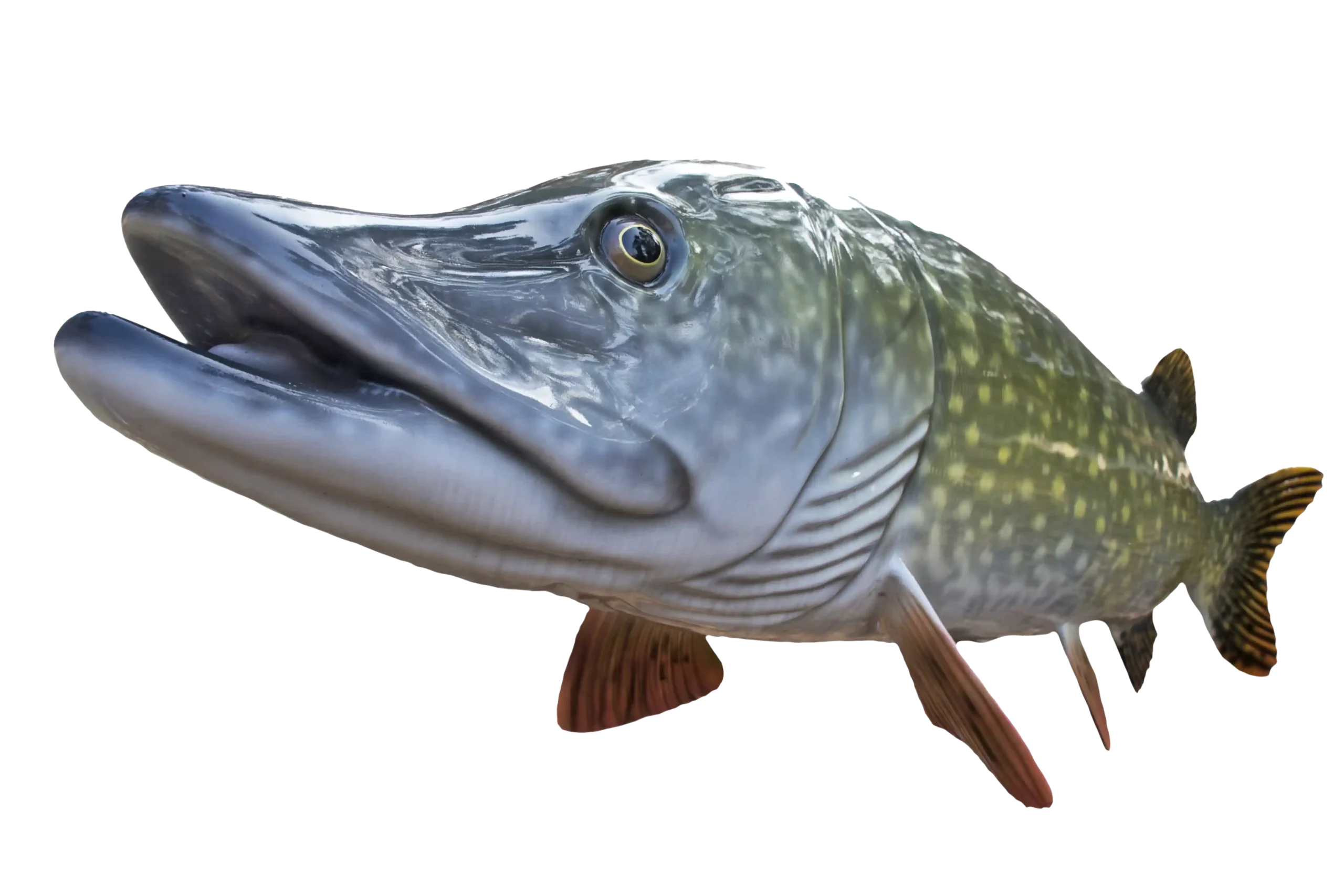
Spring fishing on the Rainy River is a tradition that thousands of anglers look forward to all winter long. It’s the first chance of the year to get the boat back on the water, and the Rainy River doesn’t disappoint — trophy walleyes, northern pike, and lake sturgeon are all in play. The river typically opens around the third week of March, with Nelson Park in Birchdale usually being the first large boat ramp to become accessible.
Before you head out, here are answers to the questions we hear most often.
Popular Fishing Techniques on the Rainy River
Walleye
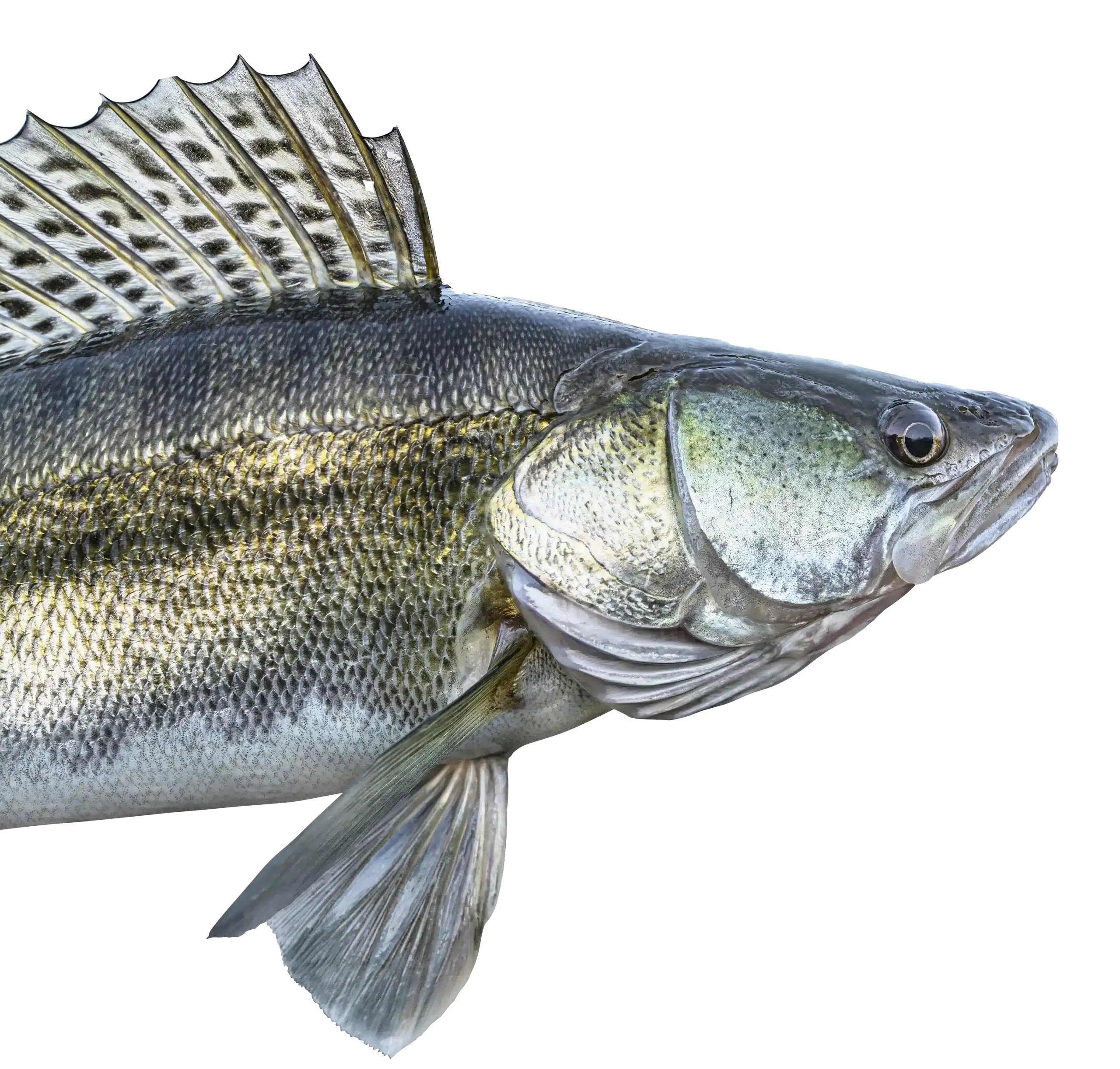
The Rainy River is one of the best walleye fisheries in the Midwest, and spring is prime time. Here are the three most popular ways to target them:
Jigging with a Minnow This is the go-to technique for many Rainy River regulars, and for good reason — it flat-out works. Tip a 1/8 to 1/2 oz jig with a lively fathead or frozen emerald shiner and work it along the bottom in current seams, eddies, and depth transitions. Let the jig touch down, give it a subtle lift-and-drop, and hang on. Cold water walleyes often hit on the fall, so pay close attention to your line.
Jigging with a Larger Plastic When walleyes are feeling aggressive or you want to cover more water, swap the minnow for a larger paddle tail swimbait or curly tail grub on a heavier jig head. This approach can trigger reaction strikes from fish that might ignore a more finesse presentation. Work it slowly through the current with a steady lift-drop retrieve and don’t be surprised when a big fish loads up on the pause.
Trolling Crankbaits Upstream Trolling crankbaits slowly against the current is another deadly spring technique, especially for covering long stretches of river and finding actively feeding fish. Run shad-profile or minnow-style crankbaits that dive into the 8–15-foot range and troll just fast enough to feel the lure working. The slow upstream presentation gives walleyes plenty of time to commit, and it’s a great way to dial in depth and location before anchoring up to jig.
Lake Sturgeon
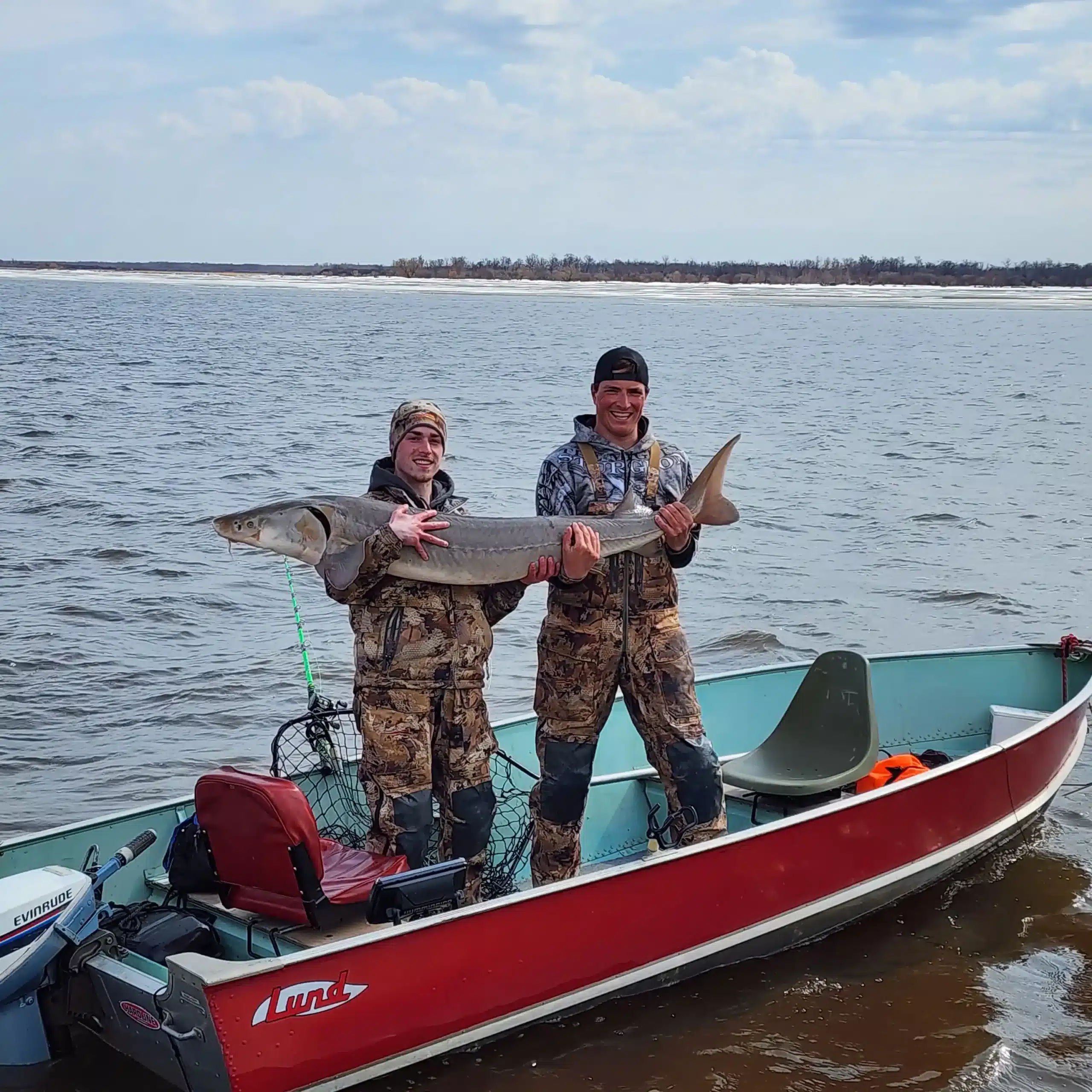
If you’ve never tangled with a Rainy River sturgeon, put it on your list — these fish are absolute giants and they’re here in remarkable numbers. The Minnesota DNR estimates that the Lake of the Woods system, from Morson, Ontario down through the Angle and Big Traverse Bay into the Rainy River, holds over 100,000 sturgeon over 40 inches. That’s one of the most extraordinary sturgeon fisheries in North America.
Gear Up Accordingly Sturgeon are powerful fish, so leave the walleye rod in the rod locker. You’ll want a heavy or extra-heavy action rod, a beefy reel with a solid drag system, and heavy line — 30–60 lb braid is a popular choice. These fish run hard and long, and light tackle simply won’t cut it.
The Rig A no-roll sinker rig is the standard setup for Rainy River sturgeon. The no-roll sinker keeps your bait pinned to the bottom in the current without spinning or rolling out of position. Rig it up with a sturgeon rig, which is usually a circle hook loaded with a generous helping of nightcrawlers, or try a combination of crawlers and frozen emerald shiners — that combo has put a lot of big fish in the net.
Find a Hole and Soak Some Worms Sturgeon love to hold in and around deeper holes in the river. The game plan is simple: anchor up just above a hole, drop your rig to the bottom, and be patient. This isn’t a power-fishing technique — it’s a soak-and-wait game. Let the sturgeon find the scent trail of your bait and follow it upstream. Set your rod in a holder, keep an eye on the tip, and get ready for a ride when one of those giants picks up your bait.
Rules & Regulations
Can I fish on the Ontario side of the Rainy River? Yes! Just make sure you have a valid Ontario fishing license and an Ontario Outdoors Card (unless you bought a one-day license, which doesn’t require the card). Ontario has its own fishing limits and regulations, so take a few minutes to review the Ontario Fishing Regulations for Zone 5 before you go. No sturgeon fishing on the Ontario side of the river. Walleyes are open, however.
Can I bring live, dead, or frozen bait into Canada? No. Since October 2020, it has been illegal to bring live, dead, or frozen bait across the U.S.-Canada border. If you’re fishing Ontario waters, stick to artificial lures — jigs, plastics, and crankbaits all work great.
Can I catch and keep walleyes in Ontario and bring them back into the U.S.? No. Because the Minnesota side of the Rainy River is catch-and-release only for walleyes in the spring, the Minnesota DNR does not allow walleyes to be transported across the border from Canada — whether by boat or by vehicle.
Can I cross into Canadian waters for safety reasons? Yes. If you need to navigate into Canadian waters to avoid hazards like ice chunks, shallow water, or a crowded stretch of river, you’re allowed to do so. Just remember — you can’t fish in Ontario waters unless you have the proper licenses.
Can I touch land on the Canadian side from my boat? No — not unless everyone on board has gone through the proper Canada Border Services Agency (CBSA) process at the Rainy River, Ontario check-in station and received permission.
Boat Ramp Etiquette
Be patient and courteous. Ramps get busy early in the season when only a few access points are open. Expect some wait time, and lend a hand when you can — whether that’s guiding someone backing down a trailer or holding a boat at the dock.
Keep it clean. Pack out what you bring in. If the dumpster is full, take your trash with you. These access areas stay open because anglers take care of them.
Follow parking rules. No Parking signs are there for a reason — to keep access open for landowners, emergency vehicles, and other anglers. Don’t chance it.
Let your trailer drain before leaving the ramp. Water dripping off your trailer can freeze on the concrete and make things dangerously slippery for the next person.
Take it slow on Highway 11. Traffic near boat ramps is unpredictable. Vehicles may be stopped or maneuvering trailers, so ease off the gas when approaching access roads.
A Big Thank You
None of this would happen without a lot of behind-the-scenes work. Koochiching County crews plow snow from ramps, break up shoreline ice, and make sure everything is ready to go. Local law enforcement, the Minnesota DNR, the Ontario Ministry of Natural Resources, Lake of the Woods County, and the City of Baudette all play a role in keeping the season running safely and smoothly. We’re grateful for all of it.
Have a question we didn’t cover? Reach out at info@LakeoftheWoodsMN.com. Tight lines and good luck out there!
Frequently Asked Questions
The spring walleye season on the Rainy River and Four Mile Bay is catch and release only from March 1st – April 14th. The season opens again for the Minnesota fishing opener where it is a keep season.
There are two sturgeon seasons on Lake of the Woods and the Rainy River, a catch and release season and a harvest season in which you can keep one fish per calendar year. The harvest season runs from April 24th – May 7th and July 1 – Sept. 30.
The catch and release season runs May 8th – May 15th and Oct. 1 – April 23rd. This means from May 16 – June 30, no sturgeon fishing. The rest of the year, you can fish for sturgeon. See MN DNR Fishing Regulations for more info.
The open water line moves from east to west each spring. Here are some Rainy River boat ramps open to the public in order of ice out each year.
- Nelson Park in Birchdale, MN. Hwy 11 about 30 miles east of Baudette at the town Birchdale, Nelson Park has a very nice boat ramp. It is located on the road traveling north off of Hwy 11. Here again, you’ll find a great access point for your boat and the campground is one of the most beautiful spots along the river. (Be sure to stop in to the Birchdale Store while in the area. It is probably one of the most unique country stores to be found in the state.)
- Frontier Landing. 11 miles to the west is another nice boat ramp, Frontier Landing. A beautiful boat ramp in the heart of great fishing.
- Vidas Landing. Located near the Clementson Rapids and the Rapid River, Moving to the west six miles from Baudette, MN is Vidas Landing, a beautiful public access point.
- Timbermill Park. At the eastern side of Baudette is the Timbermill Park boat ramp. This is a spacious boat ramp with plenty of parking available. This access is directly on the Rainy River.
- Peace Park. The next ramp down river is located in the town of Baudette. Near the Canadian Border crossing, you will find a popular public dock at the rest area known as Peace Park. There is a boat ramp with ample parking for boats and trailers at this site. This ramp is on Baudette Bay and sometimes stays iced in longer.
- Wabanica Creek Boat Launch. The next public access down river is located along HWY 172 adjacent to Bayview Lodge is the Wabanica Creek Boat Launch. Wabanica Creek runs into the Rainy River half way between Baudette and Wheeler’s Point. This ramp is also on a bay and may be iced in longer than those on the main river.
- Wheeler’s Point. Wheeler’s Point has a great boat ramp at the mouth of the Rainy River. Lots of ramps, docks and ample parking amongst many resorts make this access handy.
Related Resources
Lodging and Fishing Guides
A wide variety of lodging opportunities and fishing guides are available in the area.