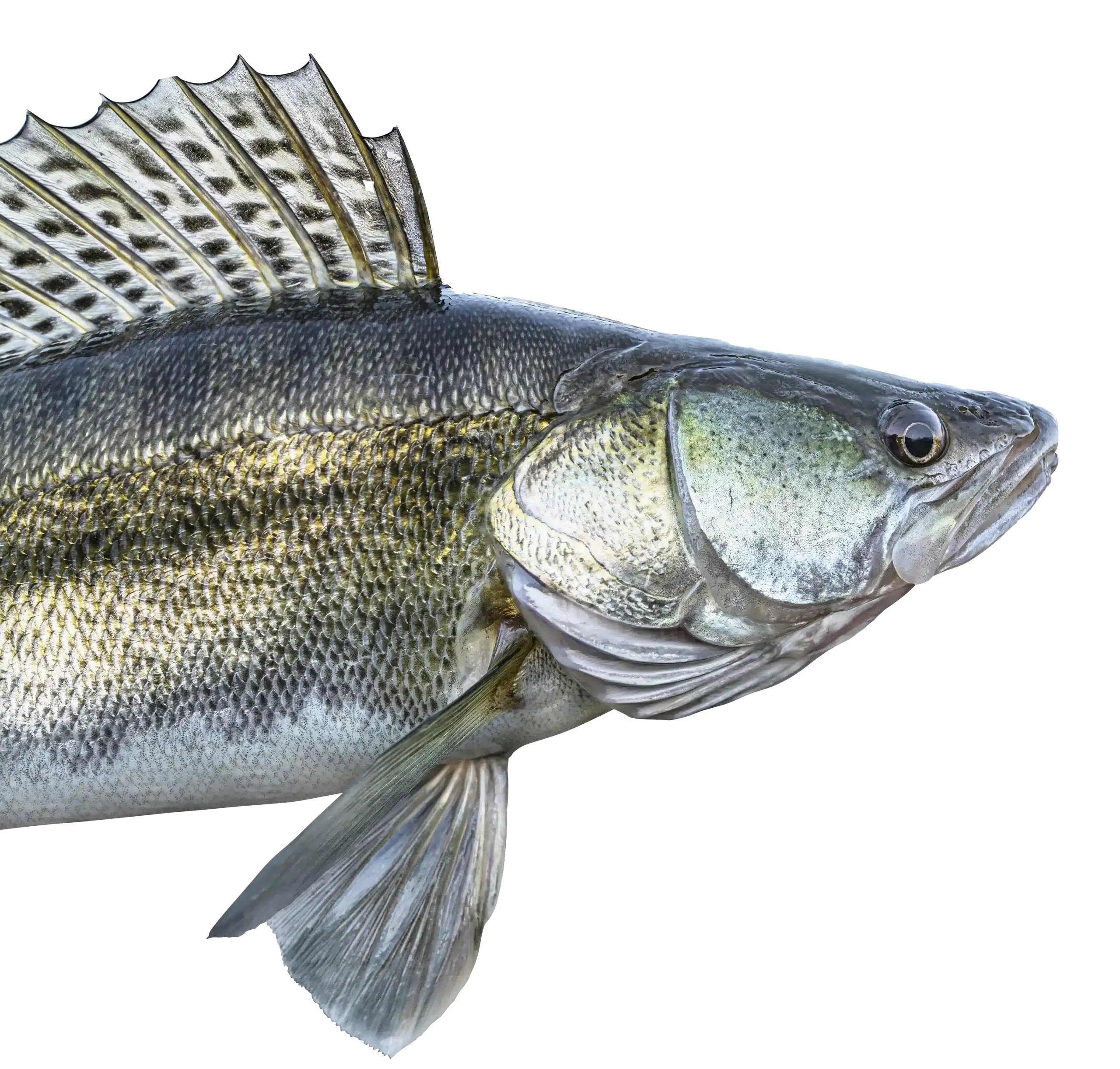


There are a few observations pointing to an epic MN Fishing Opener on Lake of the Woods and the Rainy River on Saturday, May 9th. First off, in past years when there has been a late ice out, anglers have done extremely well catching good numbers of nice walleyes. Second, during the spring walleye season, walleye anglers did excellent. Third, walleyes for the most part have been left alone since mid March. Finally, the walleyes will have just spawned and that means they will be hungry.
Some anglers will focus on the Rainy River. With a colder spring, walleyes will still be in the river. We also know there are walleyes from sturgeon anglers who are catching them unintentionally. Anglers who have fished the river understand they need to go a bit heavier with their jigs as there is current in the river.
Others will target the main basin. Big schools of walleyes will be staged at various spots off of the south shore. Some anglers will catch them shallow along Pine Island. Others will be in front of Morris Point, Zippel Bay, Long Point and Rocky Point. Wherever you like to fish out of, the fish should be there and have not seen a lure in some time.
Don’t be afraid to slide up into shallow water as many years, that can be the ticket. Also don’t be afraid to slowly troll crankbaits. This is a great way to find fish and on some days, despite the cold water, actually out fishes the anglers using jigs.
As far as presentations for the 2020 MN fishing opener, most will be using a jig and a minnow or frozen emerald shiner. Some go to colors are gold, glow, pink, orange and chartreuse, or a combination of them. When hooking your minnow, if you are missing fish, try putting the hook of your jig through the mouth and out the gill of the minnow. Then slide the minnow all the way up to the jig head and place the point of the hook half way back on the minnow. With the stained waters of the Rainy River and Lake of the Woods, walleyes don’t seem to mind. Some make it simple and use a stinger hook.

The NW Angle is actually also poised for a great opener. Ice fishing up there this year was excellent. The fish are there and for those who want to get an early start by fishing the northernmost point of the contiguous U.S., it will be good fishing. Target shoreline structure such as points, neck down areas between islands and transition areas along shore. There are good numbers of fish, an angler simply has to hit a few spots to see what the pattern is.

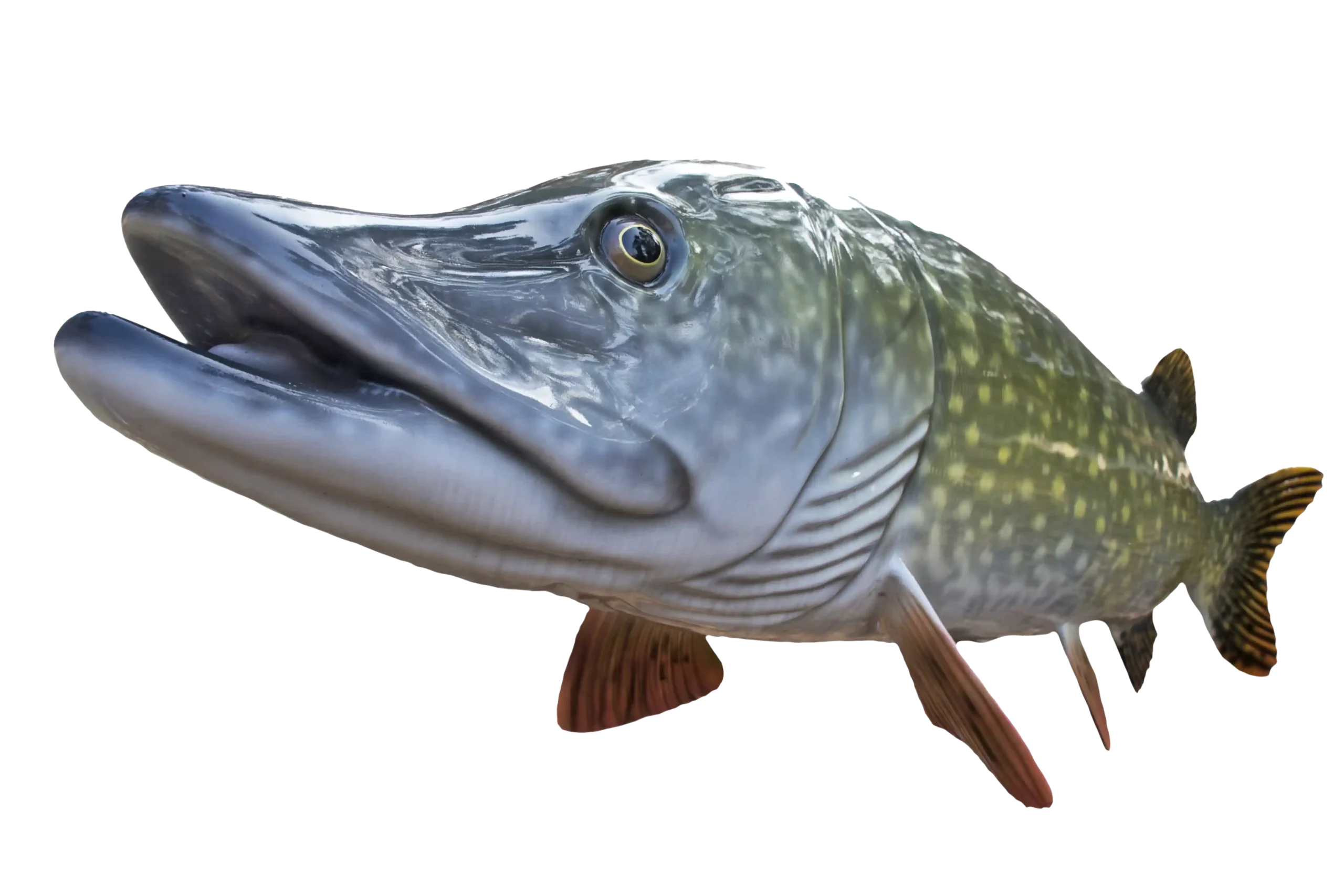
For some anglers, pike will enter the conversation. Up at Lake of the Woods, the pike season is open all year long and the limits stay the same. You can keep three pike per day, must release everything between 30 – 40 inches and may keep one fish over 40″. The possession limit is three, the same as the daily limit.
Lake of the Woods is managed as a trophy pike fishery by the MN DNR. This was quite evident many big pike over 40 inches have already been boated this spring. A 40″ pike is considered a trophy in most circles. 
Sturgeon are going strong. The catch and release season is on through May 15th. The season then closes until July 1st. On July 1, it opens again through September 30 and is the “keep” season meaning you are allowed to harvest one for the calendar year from 45-50″ or over 75″. Remember to purchase a sturgeon tag prior to going sturgeon fishing if your intent is to keep one.
The 2020 MN Fishing opener is upon us. There is lodging available if you still want to experience an opener tradition on Lake of the Woods. Good luck to all anglers wherever you might fish. Take in a deep breath, relax and enjoy, walleye season is almost upon us!


 The
The  The logging industry was and is a big part of the area. A variety of saws, tools and sharpeners are displayed. Old time two person hand saws and chain saws that used to rip through massive trees in the area makes one think about the size of the trees our ancestors harvested. It doesn’t seem like it was an easy life compared to modern times.
 Lake of the Woods County was known for it’s logging industry during the early 1900’s. In 1910, a big forest fire decimated much of the area and took over 30 lives. Similar to other forest fires, the disaster took place over dry, harvested land which was vulnerable to fires.
 The next time you come up to Lake of the Woods, plan on taking some time and checking out the Lake of the Woods Historical Society across from the county building in east Baudette, you will not be disappointed.