
Lake of the Woods, Minnesota
Everything you want to know about fishing, ice fishing, visiting, and planning a trip to the Walleye Capital of the World. Use the section links below to jump directly to your topic.
The Destination
What makes this place legendary, how to get here, what you need to know before you go, and what to do when you’re not on the water.
Lake of the Woods holds millions of walleyes — one of the highest concentrations of any body of water in North America. The lake’s naturally stained water, vast shallow flats, ideal forage base, and the fact that it’s border water with extended seasons creates perfect walleye habitat year-round. Anglers consistently catch walleyes across all three areas of the lake in all seasons, and the fishery has been sustaining trophy catches and high numbers for generations.
Scale, access, and infrastructure unlike anything else in the Midwest. At over one million acres with 14,552 islands, it operates on a different level than any other Minnesota lake. As border water with Canada, it earns extended seasons — walleye open through April 14, fish houses overnight through March 31. The full-service resort infrastructure means anyone — regardless of equipment or experience — can have a world-class trip. And the diversity is extraordinary: walleye, sauger, pike, muskie, sturgeon, smallmouth, perch, crappie, eelpout, and more in the same body of water.
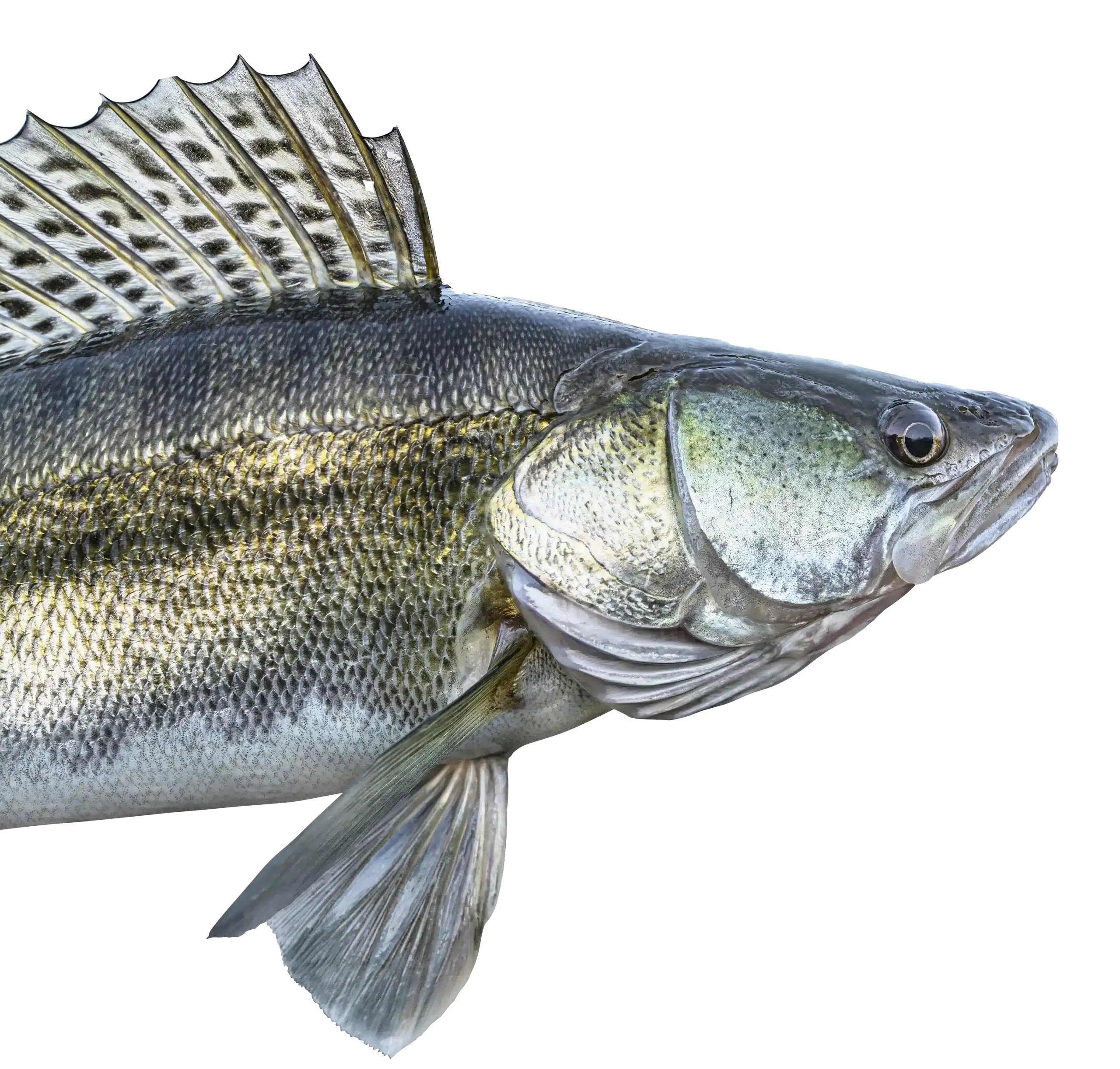
Lake of the Woods is a true multi-species fishery. Primary targets are walleye and sauger. The lake also holds northern pike (season never closes), lake sturgeon in the Rainy River and Four Mile Bay (one of the largest populations in North America), world-class muskie at the NW Angle, smallmouth bass, yellow perch, crappie, eelpout, tulibee, whitefish, and lake trout. See the full Limits & Species Guide.
Every season delivers something world-class. Spring (late March–May) brings the walleye run on the Rainy River before the main lake opens. Summer (May–September) offers deep-water walleye trolling, pike, smallmouth, and multi-species action across Big Traverse Bay. Fall (September–November) is arguably the best walleye fishing of the year as emerald shiners migrate up the Rainy River and walleyes school aggressively. Winter (December–April 14) is the full-service ice fishing season — 2–3 million angling hours logged annually across the frozen lake.
Lake of the Woods covers over one million acres and straddles the U.S.-Canada border. Big Traverse Bay alone stretches 30 miles north-south and 25 miles east-west. The lake has 14,552 islands, 65,000 miles of shoreline, and a maximum depth of approximately 210 feet. It is the largest U.S. lake to border Canada.
Lake of the Woods is in far northern Minnesota, with the primary gateway being Baudette, MN on the south shore. Drive times: Minneapolis approximately 312 miles (4.5–5 hours); Fargo 164 miles; Duluth 208 miles; Chicago 598 miles. Full driving directions are available at lakeofthewoodsmn.com/directions. A GPS-ready lake map is also available on this site. The Northwest Angle requires additional planning — see the NW Angle questions below.
The most common route goes through Canada. From Warroad: take MN-313 N into Manitoba, after 12.6 miles turn right onto MB-308 N (follow signs for Sprague near the Esso station), after 27 miles take MB-525 E back into Minnesota, continue on Co Rd 330 Angle Road NW. From Roseau: follow HWY 310 into Manitoba 10 miles, continue to Main St, turn right onto Manitoba 12 S, travel 5.9 miles then left on MB-308 N, after 27 miles take MB-525 E into MN. The drive through Canada is approximately 40 miles. See the full NW Angle guide for all access options including the Guest Ice Road, bombardier service, snowmobile trails, and fly-in.
To cross from the U.S. into Canada you need a valid passport, passport card, Enhanced Driver’s License (EDL), or a combination of an original birth certificate with a government-issued photo ID such as a driver’s license. Canada Border Services Agency (CBSA) officers may deny entry to individuals with certain offenses defined as a felony under Canadian law — this typically includes a DUI conviction in the U.S. If someone in your party has a prior DUI, contact Canada Border Services at the port you plan to cross through well in advance of your trip. See the full Border Information page for details.
Yes, with the right documentation. To bring a dog from the U.S. into Canada, the dog must be microchipped, appear healthy, and have a valid rabies vaccination certificate. To bring a dog from Canada back into the U.S., it must be at least six months old, microchipped, appear healthy, have a valid rabies vaccination certificate, and you must complete and submit the CDC Dog Import Form. For cats, there are no new requirements unless the cat appears ill. Always confirm current rules before traveling as requirements can change. See inspection.canada.ca for Canada entry and aphis.usda.gov for U.S. re-entry rules.
Online at the Minnesota DNR’s GoOutdoors website — takes minutes and can be done before you leave home. Also available at local bait shops and sporting goods stores in Baudette. Have your driver’s license or public safety identification number available for proof of residency. Required for all anglers 16 years of age and older.
The Wave Buoys page provides real-time data on wave heights and water conditions in key areas of Lake of the Woods. Updated regularly throughout the open-water season, it is a must-check resource before heading out on this big lake. Conditions can change rapidly — safety first.
Yes. A GPS-ready lake map covering Big Traverse Bay, the NW Angle island system, and the Rainy River corridor is available at lakeofthewoodsmn.com/map.html. The Navionics app also covers LOW’s waters in excellent detail and is used widely by local guides and visiting anglers.
Absolutely. Summer: boating, water sports, beaches, canoe and kayak paddling on pristine wilderness waterways including the Rainy River and Zippel Bay, hiking, biking, and golf at the scenic 9-hole course at Angle Inlet. Fall: spectacular foliage and bald eagle sightings. Winter: snowmobiling on hundreds of miles of groomed trails connecting to Roseau, Kittson County, Beltrami Island State Forest, and the Voyageur Trail West. The Northern Lights — located north of the 48th parallel, Lake of the Woods is one of the best Aurora Borealis viewing locations in the continental U.S. Snowmobile and ATV rentals are available through XCAPE Rentals on the Rainy River. See the full Outdoor Adventures guide.
Browse all resorts, guides, and lodging options — or submit one availability request to 50+ properties at once.
April through November
Spring walleye runs, summer deep-water tactics, the legendary fall shiner run, charter boats, regulations, and everything in between.
The Rainy River near Birchdale opens in the third week of March — weeks before the main lake. The main lake opens on the Minnesota fishing opener in May. Walleye and sauger season is catch-and-release only through April 14, then transitions to harvest season. The combined walleye and sauger daily limit is 6 (up to 4 walleye), with a slot size requiring release of all walleyes between 19.5 and 28 inches. See full regulations.
In summer, walleyes spread across deep mud flats in 18–35 feet of water across Big Traverse Bay. The top technique is spinner rigs with nightcrawlers trolled at 1.0–1.5 mph using a 2 oz bottom bouncer, 5-foot snell, and size 2–4 hook. Maintain a 45-degree line angle. Gold and pink blade colors dominate in LOW’s stained water. Trolling crankbaits on leadcore line works well for covering water. Early season: jig and minnow over structure in 15–25 feet. When you feel the “wet sock” bite (heavy, deadweight feeling), lower the rod tip before setting the hook.
Lake of the Woods has naturally stained water — clean but with a light coffee tint from the surrounding boreal watershed. In stained water, gold is the dominant color — as longtime LOW anglers say, “use any color as long as it’s gold.” Other strong producers: glow, pink, orange, and chartreuse. Glow colors show up especially well in stained water because walleyes use their lateral line as much as their eyes to locate prey. These color rules apply to both jigging and spinning presentations.
Each fall, beginning around mid-September, emerald shiners migrate from Lake of the Woods up the Rainy River. Walleyes follow in large numbers, creating one of the most concentrated walleye bites anywhere in the Midwest. The run continues through freeze-up. A jig and frozen emerald shiner is the go-to presentation. Vertical jigging over structure and fan-casting shorelines are both effective. The Rainy River has 8 public boat ramps and 42 navigable miles providing extensive access. Many anglers and guides consider this the best fishing of the entire year.
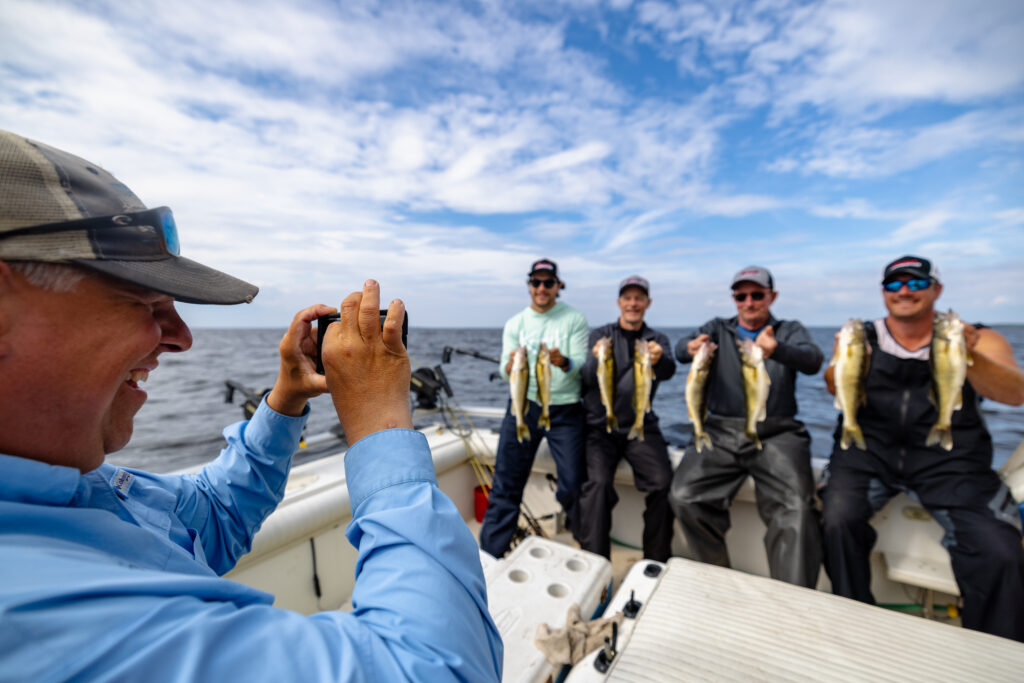
A guide is strongly recommended, especially for first visits. Lake of the Woods is over a million acres — local guides know exactly where fish are holding today, at what depth, and what is triggering bites. Charter boats accommodate up to 6 anglers, are operated by Coast Guard-licensed captains, and include all rods, reels, bait, and tackle. Fish cleaning and packaging is included. Many resorts offer guided trips as part of lodging packages. Charter boats are also excellent for bachelor and bachelorette parties, corporate groups, and family trips. Find guides and charters at lakeofthewoodsmn.com/lodging.
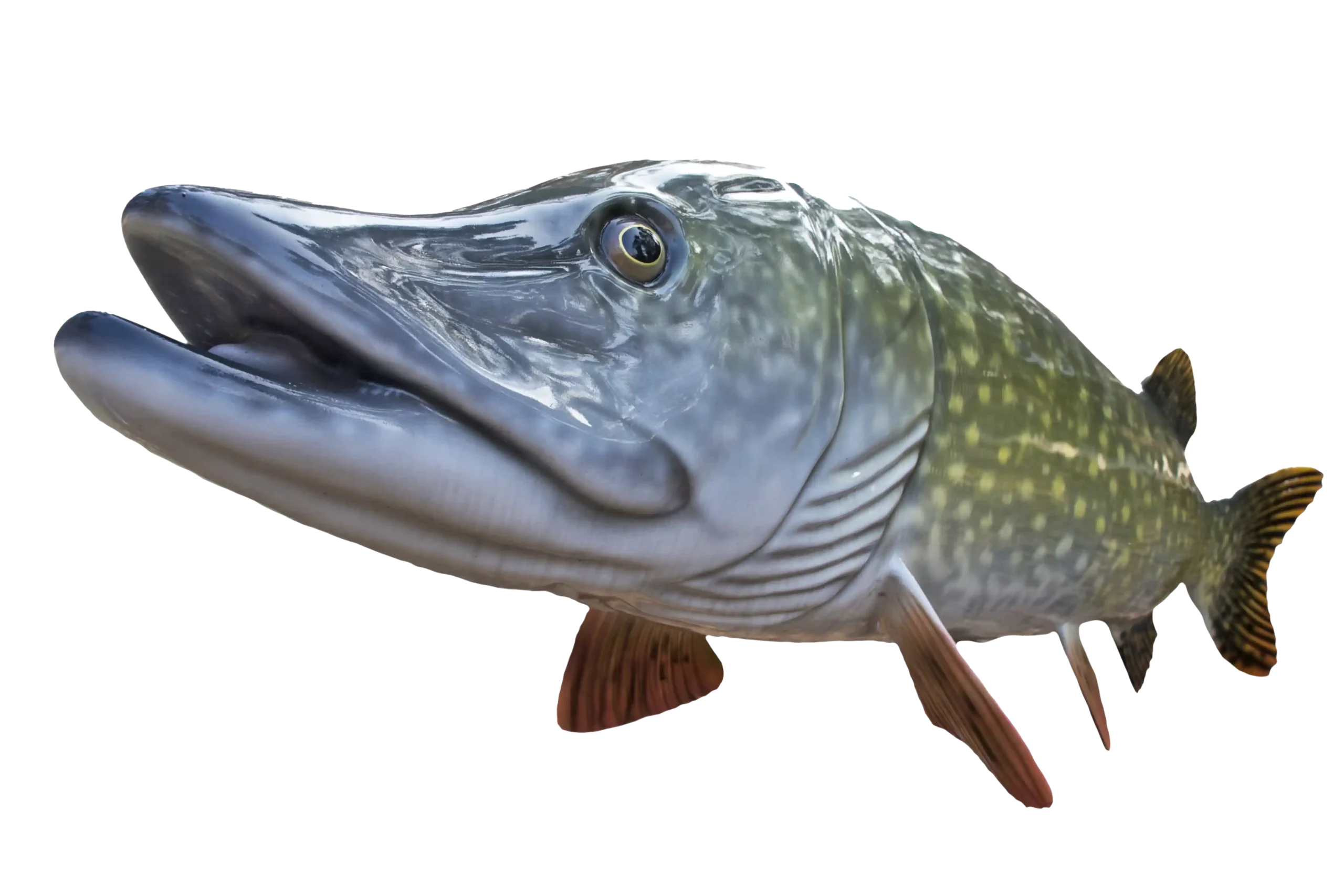
Northern pike season never closes and LOW produces consistent trophies over 40 inches. Muskies at the NW Angle are world-renowned, especially in fall when they target tullibees — guided trips are strongly recommended. Smallmouth bass are excellent throughout the island areas and rocky structure. Crappies at the NW Angle are outstanding spring and fall with some resorts specializing specifically in crappie. Lake sturgeon on the Rainy River are available catch-and-release nearly year-round with limited harvest seasons. Jumbo perch are abundant across the lake, particularly at the NW Angle.
The Rainy River and Four Mile Bay hold one of the largest lake sturgeon populations in North America — the MN DNR estimates 100,000+ sturgeon over 40 inches in the system. These prehistoric fish can live over 100 years and grow past 100 lbs. There is a catch-and-release season available through most of the year, and a limited harvest season in which you may keep one fish per calendar year. Best bait: nightcrawlers in spring, frozen emerald shiners all season. Best technique: fish on the bottom in current using a 3/0–4/0 circle hook and an 18-inch leader. No big boat required — 14-foot aluminum works fine. See the full Sturgeon Fishing Guide.
At the opener and early season: walleyes stage at south shore locations including Pine Island, Morris Point, Zippel Bay, Long Point, and Rocky Point — both shallow and in 15–25 feet of water. Don’t be afraid to fish shallow early in the season. Midsummer: deep mud flats in Big Traverse Bay in 18–35 feet. Fall: Rainy River from Baudette to Birchdale, and south shore and NW Angle island structure as fish school before winter. NW Angle: year-round structure fishing around 14,552 islands produces all species. A weekly fishing report tells you exactly where fish are holding right now.
All walleyes between 19.5 and 28.0 inches must be released immediately. One walleye over 28 inches may be kept per day. The slot protects the most reproductively important fish — the mid-size females that produce the majority of successful spawns — while still allowing harvest of smaller fish and one trophy per angler. The combined walleye and sauger daily limit is 6 total (up to 4 walleye). These are special border-water regulations that differ from the rest of Minnesota. Always verify at dnr.state.mn.us.
Yes. Wheeler’s Point near Baudette offers excellent shore fishing access, particularly for sturgeon on the Rainy River. Several parks along the Rainy River provide shore access. However, the most productive open water fishing — especially for walleye — requires covering water, which means a boat is strongly recommended. See the boat access and ramp directory for all 8 public launches on the Rainy River and multiple launches on the south shore.
December through April 14
Full-service fish houses, techniques, seasonal progression, what to bring, and why Lake of the Woods is in a class of its own for ice fishing.
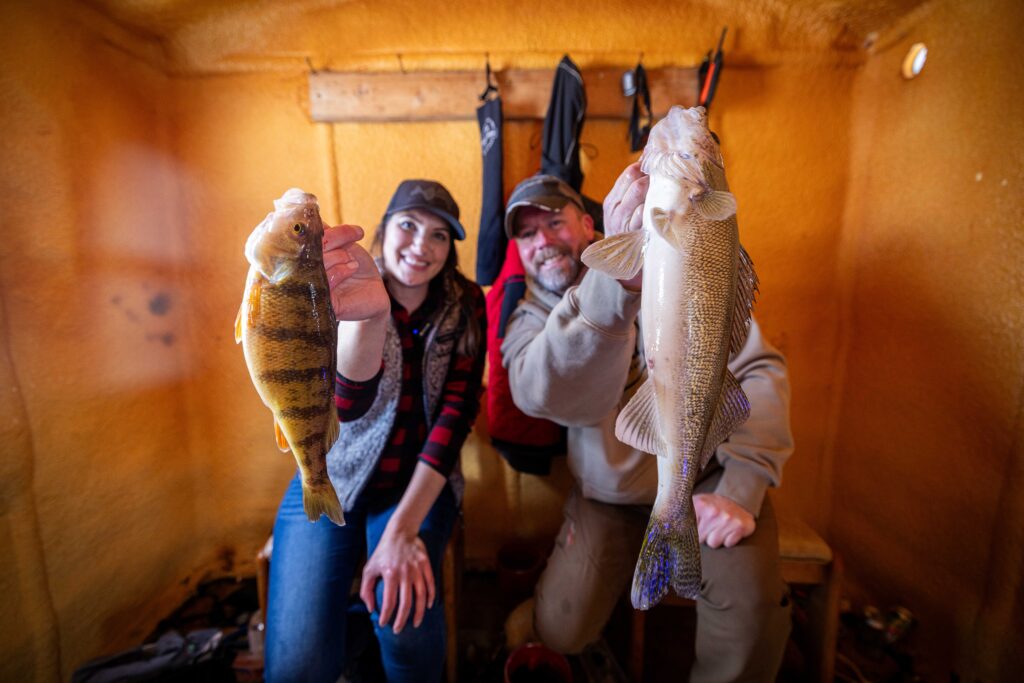
It is a full-service experience unlike anything else in Minnesota. Resorts provide heated fish houses (approximately 70°F inside), pre-drilled holes, transportation via heated track vehicles or bombardiers, rods, reels, bait, tackle, and guides who check in throughout the day. You simply show up, hang up your jacket, drop a line, and start catching fish. No equipment, experience, or prior knowledge required. The lake generates 2–3 million angling hours every single winter.
Lake of the Woods has naturally stained water — clean but with a light coffee tint from the surrounding boreal watershed. In clear lakes, walleyes are light-sensitive and feed primarily at dawn and dusk. LOW’s stained water limits sunlight penetration just enough that walleyes feed actively throughout the entire day — morning, midday, and afternoon, all season long. This is one of the most important competitive advantages LOW has over any other ice fishing destination in the region and a key reason so many anglers return year after year.
Ice fishing typically begins in early December when resorts place heated fish houses on the lake. Fish houses can remain overnight on the ice through March 31. The walleye and sauger season stays open through April 14. Northern pike season never closes. Most Minnesota lakes close ice fishing in late February — LOW gives you two extra months of legal fishing, making it one of the longest ice seasons in the Midwest.
Late November–Early December: Back bays freeze first. Resorts place heated pike spearing houses in shallow locations. Snowmobiles and ATVs access early ice. Mid-December–January: Resorts place heated walleye day houses. Light track vehicles transport guests. Full-service experience begins. January–February: Ice thickens. Sleeper houses go out. Weight limits increase for trucks. Peak season for overnight adventures. February–April 14: When most MN lakes close, LOW stays open. Fish houses overnight through March 31. Walleye season through April 14. Late-season fish are often staging for spawn and feeding aggressively — frequently the best bite of the entire year.
The most productive ice fishing setup on LOW. Run two rods simultaneously: a jigging rod in hand tipped with a minnow head on a jigging spoon or Rippin Rap, and a deadstick rod resting in a holder with a live minnow on a hook under a bobber about 6 inches off the bottom. The jigging rod attracts walleyes from a distance using flash and vibration. The deadstick closes the deal on fish that follow the jigging rod but won’t commit to the active bait. When fish are active, they hit the jigging line. When neutral, they slide over and take the deadstick offering.
When a walleye rises toward your jig on sonar, don’t stop and let the fish catch up — keep moving the bait upward using your reel. The fish follows. Watch for slack line on the way up — that’s the strike. This counterintuitive move triggers fish that would otherwise turn away when the bait stops. It is particularly effective when fish are visible on electronics approaching but not committing to the bait.
Aggressively pound your jig off the lake floor to create a puff of sediment and noise. The vibration travels through LOW’s stained water and attracts walleyes from a distance before they can even see your bait. After pounding, let the jig settle and hold still for 3–4 seconds. The strike often comes in that pause. This technique is especially effective when working a new hole or when fish are present but not actively feeding.
The emerald shiner — live or frozen — is the top bait. It is the lake’s primary forage fish and walleyes are keyed in on it all winter. Local bait dealers net shiners in the fall specifically to supply ice anglers through March. Most anglers run a jigging rod tipped with a minnow head and a deadstick with a full live minnow under a bobber. Top colors in LOW’s stained water: gold, glow red, glow pink, orange, and chartreuse. Named lures that consistently produce: Glow spoons, Rapala Rippin Rap, Rattlin’ Flyers, and Lindy Tungsten Toad. Blinking light lures with a dropper hook (Dirty Bomb, Fish Daddy style) are MN DNR-confirmed legal and highly effective in LOW’s stained water.
A day house is used for daytime fishing — you’re transported out in the morning and back at the end of the day, then sleep at your resort cabin or hotel. A sleeper house is a larger, fully equipped fish house where you stay overnight directly on the ice. Sleeper houses include bunk beds for up to 8 people, propane heat, cooking facilities, and all the comforts of a cabin — positioned directly over walleye and sauger schools. You wake up, start your coffee, and drop a line immediately. Fish houses can remain overnight through March 31. See sleeper house rentals.
None required. Resorts provide everything: heated fish houses with pre-drilled holes, round-trip transportation, rods, reels, bait, tackle, and guides. You need warm clothing (thermal base layer, insulated jacket and bibs, boots rated to -20°F or colder, warm hat, gloves), a Minnesota fishing license, and snacks. The resort handles the rest. Lake of the Woods is widely considered one of the best beginner ice fishing destinations in North America for this reason.
Yes — electronics transform the experience. A Vexilar flasher or similar sonar unit shows fish approaching in real time so you can adjust your presentation before they arrive. Watching a walleye rise toward your bait on sonar is one of the most exciting parts of ice fishing at LOW and allows you to deploy the Tease Tactic at exactly the right moment. An underwater camera is also excellent for assessing fish mood and behavior — whether fish are actively feeding or neutral. Resorts typically have these tools on hand and guides will show you how to use them.
Yes — LOW has a uniquely social ice fishing culture. The Igloo Bar at Zippel Bay Resort and The Angry Walleye at Cyrus Resort are full bars built out on the lake ice each winter. Both offer drinks, food, entertainment, and fishing through the floor. Many resorts host live music and events through the season. In the evening, fresh walleye fish fry dinners at resort restaurants are a LOW tradition — your resort will clean your catch and cook it up the same evening. It is a social season as much as a fishing season.
Ice conditions vary greatly depending on factors beyond just thickness. As a general guide: 4 inches of clear ice is considered safe for walking; 5 inches for snowmobiles; 8–12 inches for cars; 12–15 inches for medium trucks. Always check with your resort or local bait shops for the most up-to-date conditions before going out. Resorts monitor ice thickness daily and will communicate weight limits on their roads. Never go out on ice that hasn’t been checked that morning by a professional. Currents, wind, and other factors can weaken ice even when it appears thick.
Key rules specific to LOW: Do not drill holes in plowed ice roads — it damages them for everyone. Don’t drill within 15–20 feet of existing fish houses — causes slush and flooding. Obey 15 mph speed limit on ice roads. Know your restroom plan before going out — dump stations at Log Cabin Bait near Wheeler’s Point and Howard’s Cenex in Baudette. Pack out all trash — Minnesota law. Respect resort-plowed areas — don’t use access roads you haven’t paid for without permission. See the full Ice Fishing Etiquette guide.
South Shore · NW Angle · Rainy River
Three distinct fishing experiences, each with its own character. Click through to each area’s full guide for complete information.
Most Resorts & Access
Big Traverse Bay, Baudette, and the resort hub of LOW. Most lodging options, charter boats, and ice fishing infrastructure.
Northernmost Point, Contiguous US
14,552 islands, world-class muskie, big crappies, and the full-service walleye experience in the most remote corner of Minnesota.

Spring Run & Fall Run
85 miles of border river. Spring walleye run opens weeks before the main lake. Fall shiner migration. Year-round lake sturgeon.
The South Shore encompasses Big Traverse Bay and the Baudette area — the most resort-dense part of Lake of the Woods. Big Traverse Bay stretches 30 miles north-south and 25 miles east-west, making it the largest open-water expanse and the hub of LOW’s resort community. Most lodging options, charter boats, ice roads, and fishing access launch from here. Baudette serves as the gateway city with restaurants, shops, live music, and services. The Igloo Bar and Angry Walleye on-ice bars are both located off the south shore. See the full South Shore guide.
The NW Angle is the northernmost point of the contiguous United States — 123 square miles surrounded on three sides by Canadian territory. It exists due to a surveying error in the 1783 Treaty of Paris. Year-round population of approximately 120 residents. World-class muskie fishing, big crappies, jumbo perch, and walleye in a truly remote setting. Winter access options: Drive through Canada (through Warroad/Roseau, brief Manitoba crossing — passport required); NW Angle Guest Ice Road (22 miles over ice + 8 miles forest, stays in Minnesota); Bombardier Service (42-mile ice crossing from south shore); snowmobile on two groomed trails; or fly-in with Lake Country Air (15-minute scenic flight, described as “easy and quick”). See the full NW Angle guide.
If you are in a boat and do not touch land, a dock, anchor, moor, or exchange goods with anyone on the Canadian side, no check-in is required before or after September 14, 2026. If you touch land in Canada (shore lunch, Canadian resort, bait pickup), call 888-CAN-PASS before departing the U.S., get a check-in number, and check back in on return via iPad/ROAM kiosks at NW Angle resorts. Important: ice = land by legal definition — if fishing Canadian waters through the ice, call 888-CAN-PASS before crossing even to drill holes. The RABC (Remote Area Border Crossing) program expires September 13, 2026 — after that date, telephone reporting via 888-CAN-PASS is the only method for land/ice crossings. A separate Ontario fishing license is required for fishing Canadian waters.
The Rainy River forms the 85-mile U.S.-Canada border between Minnesota and Ontario, with 42 miles navigable by boat. It opens in the third week of March — weeks before the main lake. In fall, the emerald shiner migration from the lake up the river creates one of the most concentrated walleye bites in the Midwest. It is also home to one of the largest lake sturgeon populations in North America. Eight public boat ramps provide access from Wheeler’s Point near Baudette upstream to Birchdale. Franz Jevne State Park is located along the river. Doesn’t require a big boat — 14-foot aluminum works fine. See the full Rainy River guide.
Know Before You Go
Licensing, limits, booking timing, and what to bring. Always verify current regulations at dnr.state.mn.us before fishing — LOW is border water with special rules
Lake of the Woods is border water with special Minnesota regulations that differ from the rest of the state. The combined walleye and sauger daily limit is 6 (up to 4 walleye). All walleyes between 19.5 and 28.0 inches must be released immediately. One walleye over 28 inches may be kept per day. Sauger count toward the combined 6-fish limit. Always verify current regulations at dnr.state.mn.us or contact the Baudette Area Fisheries Office: 218-634-2522.
Northern pike: daily limit 3, release all fish 30–40 inches, one over 40 inches allowed, season never closes. Yellow perch: 20 daily. Crappie: 10 daily. Eelpout/burbot: no daily limit. Smallmouth bass: 6 daily. Lake sturgeon: complex C&R and harvest seasons — harvest limited to one fish per calendar year. Fish houses overnight: through March 31. See the full Fishing Regulations page and Limits & Species Guide.
A Minnesota fishing license is required for all Minnesota waters. If you are fishing in Ontario waters — primarily relevant at the NW Angle — a separate Ontario fishing license is required. Ontario walleyes cannot be transported across the border into Minnesota. Ontario has its own slot limits and bag limits for walleye that may differ from Minnesota’s. When fishing border areas, confirm with your guide or resort which waters you are in.
Online at the Minnesota DNR’s GoOutdoors website — takes minutes and can be done before you leave home. Also available at local bait shops and sporting goods stores in Baudette. Have your driver’s license or public safety identification number available for proof of residency. Required for all anglers 16 years of age and older.
As early as possible — especially for ice fishing weekends December through March, the MN fishing opener in May, and fall weekends in September and October. Prime ice fishing dates and holiday weekends fill a year in advance at some resorts. Use the Lodging Availability Request form — submit once and all 50+ resorts receive your request and respond directly. For fall fishing the Rainy River, book by August at the latest for prime October dates.
Resorts provide rods, reels, bait, tackle, transportation, and heated fish houses. You bring: thermal base layers (top and bottom), fleece mid-layer, insulated jacket and bibs, insulated winter boots rated to -20°F or colder, warm hat, neck gaiter, gloves and mittens, Minnesota fishing license, camera, and snacks and beverages for the fish house. For sleeper house guests add: sleeping bag and pillow, toiletries, cooler with food and beverages, and entertainment. Advanced anglers may bring their own jigging rods, favorite tackle, and sonar units — but none of this is required.
For a guided or charter trip: just your fishing license. The charter provides everything else. For independent fishing with your own boat: rods, reels, jigs (3/8–1/2 oz in gold, pink, chartreuse), spinner rigs, nightcrawlers or emerald shiners (available at Baudette bait shops), bottom bouncers (2 oz), crankbaits, sunscreen, rain gear, life jackets, and a lake map or Navionics app. Always check the Wave Buoys for real-time lake conditions before heading out — LOW is big water and conditions change fast.
Baudette Area Fisheries Office: 218-634-2522 | baudette.fisheries@state.mn.us. Official MN DNR regulations: dnr.state.mn.us. Your resort or guide is also an excellent resource — they fish these waters daily and know the current rules inside and out. See the full Fishing Regulations page for a complete breakdown of LOW’s special border-water rules.
Our full regulations page covers every species, every season, and all border-water rules in detail.