Wherever you fish, catch and release is an important part of the sport. Sometimes you have to let a fish go because it’s out of season, falls inside a protected slot limit, or you’re fishing a catch-and-release-only season. Other times you simply choose to release a fish for conservation reasons. Either way, there’s a right way and a wrong way to handle a fish you intend to put back.
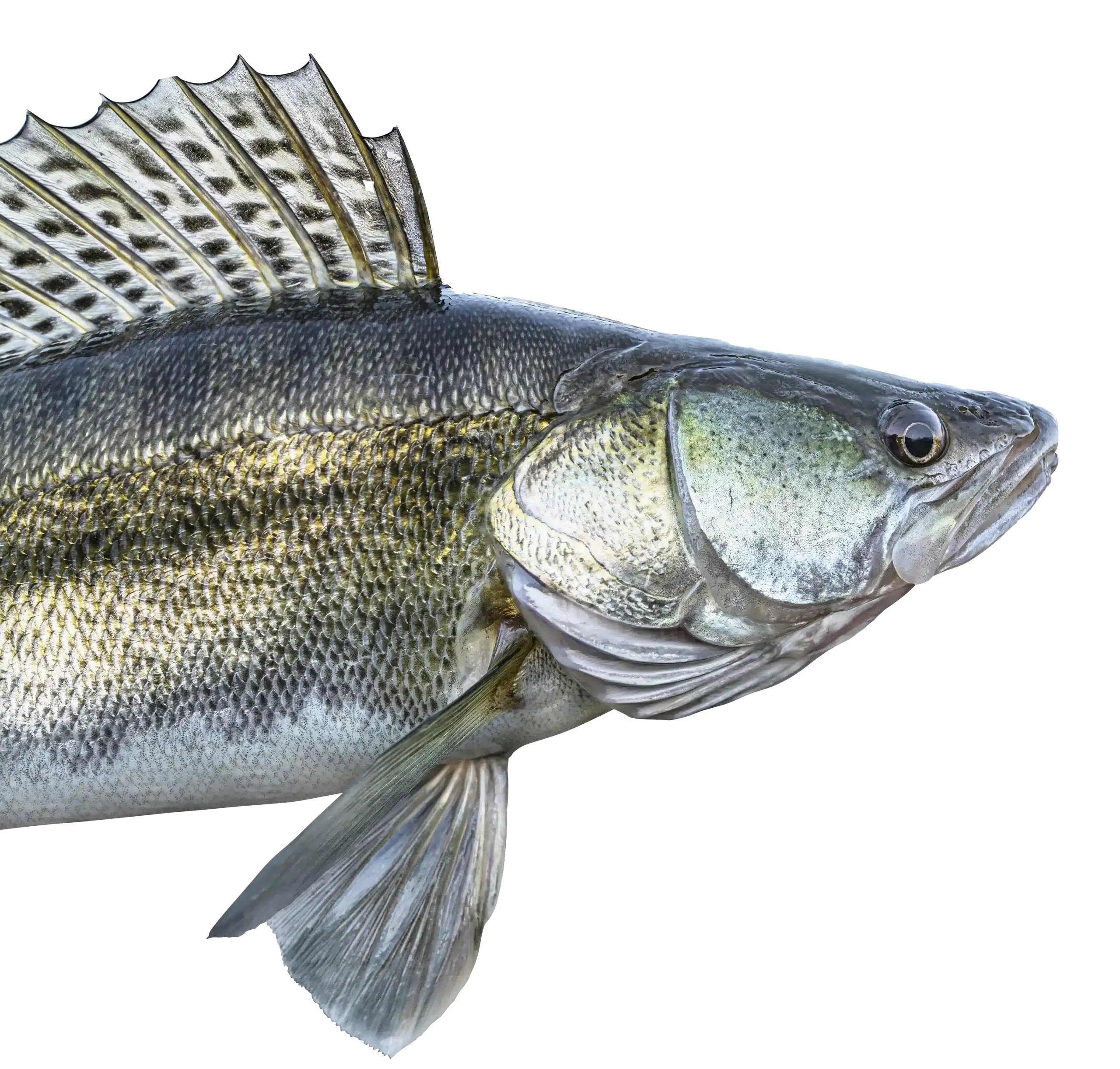
On Lake of the Woods, there’s a tremendous population of big walleyes, and they are a blast to catch. During the spring Rainy River season, walleye fishing is all catch and release. On top of that, the lake’s slot limit requires that all walleyes between 19.5 and 28 inches be released to keep the fishery healthy for the long haul. Add it all up and there’s a lot of releasing going on.
Whether it’s walleyes or another species, a giant or a little guy, if your plan is to let the fish go, it pays to understand the steps that give it the best possible chance of survival. A little planning and a quick, careful release dramatically improve those odds.
Start With the Conditions
Right off the bat, fish survive a release better in shallower water and in colder water temperatures. Keep that in mind out on the lake. If you’ve got a hot walleye bite going in 36 feet of water in August, the mortality rate on released fish will be higher than if you were catching those same fish in 20 feet, or in colder water. If you’re pulling fish out of deep water on a warm day, consider catching a few and then moving shallower.
Technique Matters
How you hook a fish has a lot to do with whether it survives. A fish caught on a jig is usually hooked cleanly in the mouth, because you set the hook the instant you feel the bite. With a live-bait rig, where you let the fish “take it” for a moment before setting, the odds of a deep hook go up.
When a fish is hooked deep, the best thing you can do is simply snip the line off close to the hook. No matter how careful you are, digging a deep hook back out does far more damage than leaving it. The fish’s body will often deal with the hook over time; it won’t survive having it torn out.
Plan Ahead and Have Everything Ready
The single biggest favor you can do a fish is to minimize the time it spends out of the water. The clock starts the moment it leaves the lake, so don’t make it wait while you dig through tackle boxes. Have your gear staged and within reach before you ever set the hook:
- Needle nose pliers
- Jaw spreaders
- A bump board or tape measure
- Your camera or phone
With everything ready to go, you can land the fish, get it out of the net, pop the hook, take a quick measurement, snap a photo or two, and slide it back in the water in seconds rather than minutes. The faster that whole sequence goes, the better the fish’s chances.
Wet Your Hands and Protect the Slime Coat
Before you handle any fish you plan to release, wet your hands. Dry hands and dry surfaces strip away the fish’s protective slime coat, which is its natural defense against parasites, infection, and disease. Wetting your hands first helps keep that coating intact.
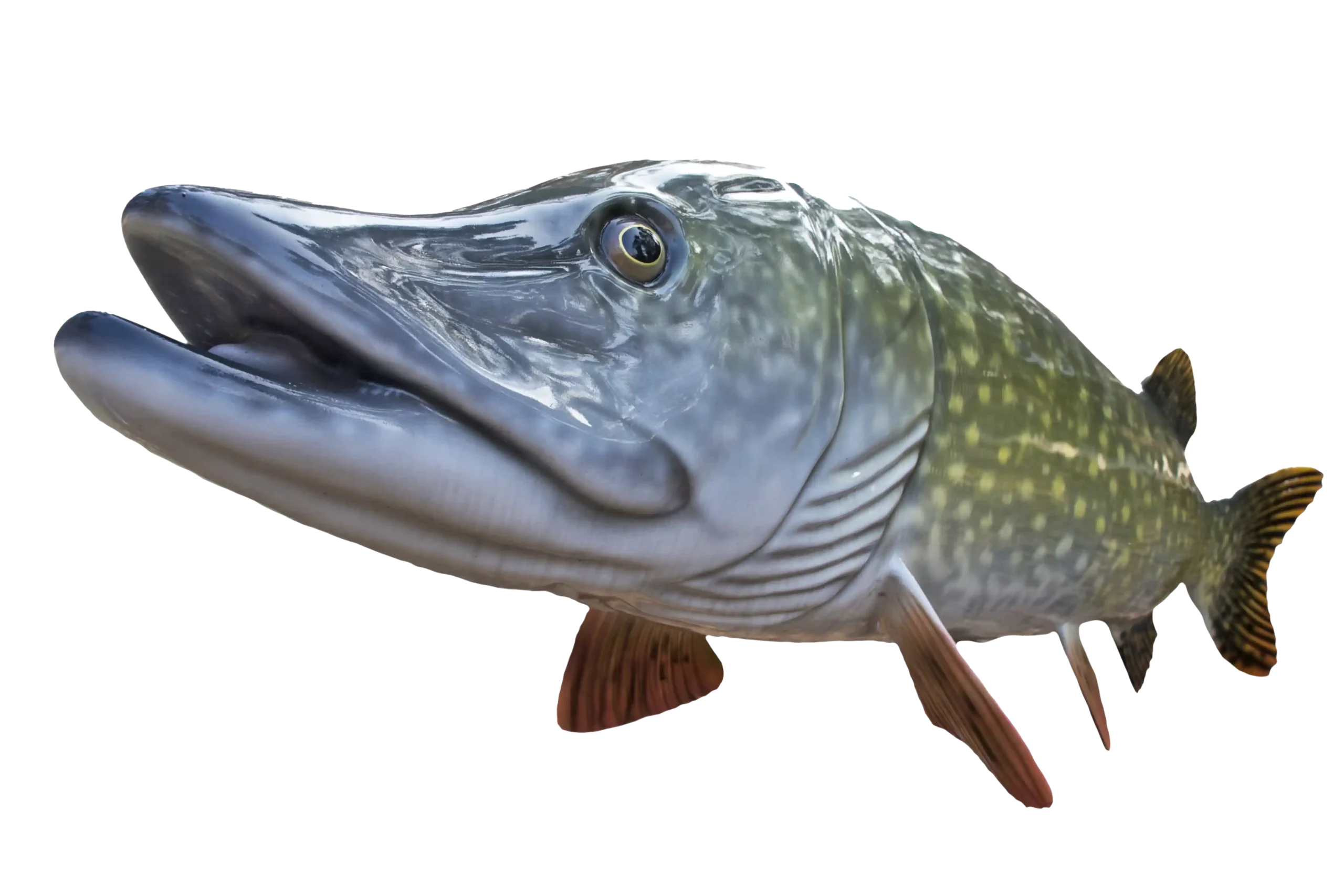
For the same reason, try not to wipe or rub the slime off the fish’s sides during handling. Some fish carry a lot of it; a couple of the slimiest you’ll meet on Lake of the Woods are pike and muskies. There’s a reason pike picked up the nickname “slimer,” and it’s a good thing for the fish.
How to Hold Each Species
Knowing how to hold a fish keeps the fish safe and keeps you from getting cut or stuck. Small fish are easier than large ones, and most anglers pick up the techniques quickly. You learn fast how to grip a perch or white bass without catching the sharp gill plates. Sunfish anglers know to smooth back that top spiny fin. And where catfish and bullheads are popular, it’s worth learning how to work your hand around the two side fins and one top fin that carry barbed spines.
On Lake of the Woods, most of the releasing involves walleyes. A good way to hold a walleye is by the tough cartilage in the gill area of its head. The key is to keep your fingers on the outside of the actual gills. The real gills are red and that’s where the fish pulls oxygen from the water, so never touch or grab them. Slide two or three fingers along the outside of the gill area and up into that firm cartilage. For walleyes over 10 pounds, support the body with your other hand under the belly and hold the fish horizontally rather than letting it hang vertically.
Bass and crappies are easy. They don’t have sharp teeth and their mouths are big and inviting, so they’re usually held right by the mouth.
Pike and muskies are typically held in the firm cartilage of the gill area with one hand, with the other hand supporting the body horizontally if it’s a big fish. Keeping good control of these predators through the release improves their odds. In the old days it was common to hold pike by the eye sockets, but that’s frowned on now because it can blind the fish.
Big Fish: Horizontal, Not Vertical
This is the rule that matters most for the giants. Large fish should be supported horizontally, never held vertically by the jaw or gills. In the water, fish swim and live horizontally, and their bodies are built for that. Hanging a big fish straight up and down puts the full weight of its internal organs and tissue in a position they were never meant to bear, and that weight can cause real internal damage.
Lake sturgeon are the clearest example, since these can be enormous. Never hold a sturgeon vertically. They are so heavy that internal organs and tissue can actually tear under their own weight. With a really big sturgeon, also avoid holding it by the gill cartilage. The damage there is unseen, and a fish that swims off looking fine can die days later.
The best grip on a big sturgeon is often one hand on the tail, which is firm and easy to hold, and the other hand under the belly, supporting the body horizontally. A truly big one takes two people to cradle. And if you don’t need the fish in the boat at all, pop the hook while it’s still in the water alongside the boat, or in the net if your net is big enough to hold it.
Don’t Drop It, Don’t Touch the Eyes
Try hard not to drop a fish during the release. The damage from a drop is obvious. And keep your fingers away from the eyes on any species, because touching them can blind the fish.
The Release Itself
When you put the fish back, move it gently side to side to push water through its gills. Don’t move it forward and back, that can actually drown the fish. Hold it upright and ease it side to side until it kicks and swims off on its own power.
If the fish had a long fight or spent a while out of the water, reviving it can take a few minutes. Have patience and stay with it. The fish’s life depends on it.
To find out more about fishing Lake of the Woods, check out www.LakeoftheWoodsMN.com.
For a list of lodging options, check out www.LakeoftheWoodsMN.com/Lodging.

Open Water Fishing on Lake of the Woods & the Rainy River (Summer & Fall): FAQs
Open water fishing on Lake of the Woods and the Rainy River offers some of the most consistent and rewarding fishing in North America. From late spring through fall, anglers experience everything from easy, action-packed summer fishing to trophy opportunities in the fall.
Whether you’re fishing the expansive waters of Big Traverse Bay, the scenic Rainy River, or the island-rich Northwest Angle, this is a destination where both beginners and experienced anglers can succeed. With full-service resorts, experienced guides, and millions of fish, planning your trip is easier than you might think.
What is open water fishing on Lake of the Woods?
Open water fishing refers to the season when the lake is free of ice, typically from May through October. This includes both summer fishing and fall fishing, each offering different patterns, techniques, and opportunities for anglers.
Why is Lake of the Woods considered the “Walleye Capital of the World”?
Lake of the Woods is known for its abundant walleye population, consistent fishing success, and ability to produce quality fish throughout the open water season. Anglers regularly catch walleyes in high numbers, along with trophy-class fish, making it one of the most reliable walleye fisheries anywhere.
When is the best time to fish during the open water season?
Fishing is excellent throughout the entire open water season:
- Early Summer (May–June): Walleyes are often shallower and very active.
- Mid-Summer (July–August): Fish spread out, often over deeper mud basins and structure.
- Fall (September–October): Big walleyes feed aggressively, especially in the Rainy River and nearshore areas.
There is always a productive bite happening somewhere on the lake.
Where should I fish on Lake of the Woods?
Lake of the Woods offers three distinct fishing areas:
- South Shore / Big Traverse Bay – Known for open water walleye fishing, especially over deep mud flats.
- Rainy River – A scenic and protected option, excellent in both summer and fall.
- Northwest Angle (Lake of the Woods) – A remote area with thousands of islands, offering incredible structure fishing and multi-species opportunities.
Each area provides a different experience, and many anglers return to explore them all.
What is the Northwest Angle and why fish there?
The Northwest Angle is the northernmost point of the contiguous United States and part of Lake of the Woods. Known for its rugged beauty and more than 14,000 islands, it offers outstanding fishing for walleyes, muskies, smallmouth bass, and northern pike. For anglers looking for a remote, scenic, and structure-rich experience, the Angle is hard to beat.
Is the Rainy River good for fishing in the summer and fall?
Yes. The Rainy River is excellent throughout the open water season. In the summer, it provides a calm, scenic alternative to the lake and is great for walleyes, bass, and pike. In the fall, it becomes a hotspot as walleyes follow emerald shiners into the river, creating outstanding opportunities for big fish.
What fish can I catch during open water season?
Lake of the Woods and the Rainy River offer a wide variety of species:
- Walleyes (primary target)
- Saugers
- Northern pike
- Smallmouth bass
- Crappies
- Muskellunge (muskie)
- Yellow perch
This diversity makes it ideal for both serious anglers and families looking for steady action.
Do I need my own boat or fishing equipment?
No. Many resorts offer full-service fishing packages that include guided charter boats, equipment, bait, and fish cleaning. It’s an easy and stress-free way to experience the lake, especially for beginners or visitors traveling from out of town.
Is this a good destination for beginner anglers?
Absolutely. With high fish populations, simple and effective fishing techniques, and knowledgeable guides, Lake of the Woods is one of the most beginner-friendly fishing destinations anywhere.
What techniques are used during open water fishing?
Techniques vary throughout the season, but common methods include:
- Spinner rigs with crawlers
- Jigging with minnows or soft plastics
- Trolling crankbaits to cover water
Guides and anglers adjust techniques based on fish location and seasonal patterns.
How deep do you fish for walleyes?
Depths vary depending on the time of year and location, but anglers commonly fish between 15 and 35 feet during the open water season. Fish may relate to mud flats, reefs, points, or shoreline structure depending on conditions.
What should I bring on a fishing trip?
If fishing with a guide or charter, you typically only need:
- A valid Minnesota fishing license
- Weather-appropriate clothing
- Sunglasses, sunscreen, and a hat
- Food and beverages
Most equipment and gear are provided.
Can I keep and eat the fish I catch?
Yes, within Minnesota fishing regulations. Many anglers enjoy a traditional shore lunch or bring fish back to their resort for a fresh fish fry—one of the highlights of a trip to Lake of the Woods.
How do I plan a fishing trip to Lake of the Woods?
Planning is simple. Start by selecting a resort that fits your style, whether you’re looking for a full-service experience, family-friendly lodging, or a remote getaway. Many resorts offer packages that include lodging, meals, and guided fishing. Booking early is recommended, especially for peak summer and fall dates.
Ready to Experience Open Water Fishing?
From easy, action-filled summer fishing to trophy opportunities in the fall, Lake of the Woods and the Rainy River offer an experience that’s hard to match. With beautiful scenery, abundant fish, and full-service options, it’s a destination anglers return to year after year.