Lake of the Woods MN Fishing Report..August 11, 2026

lake of the woods south shore rainy river nw angle walleye

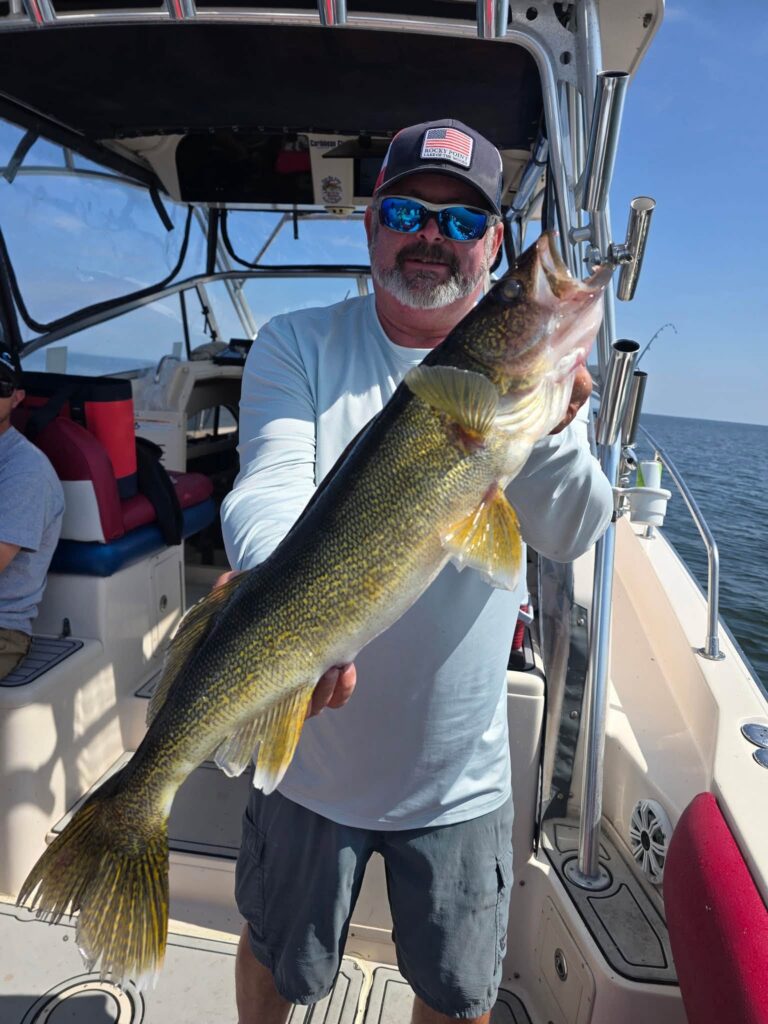
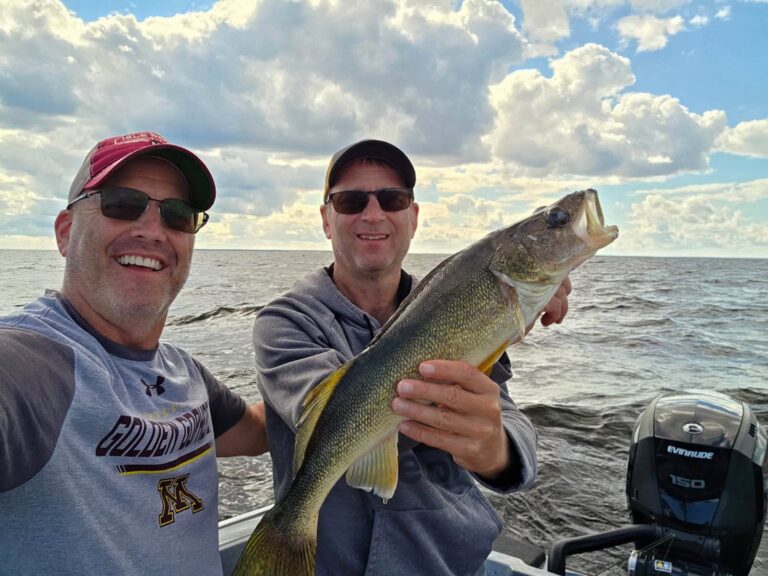
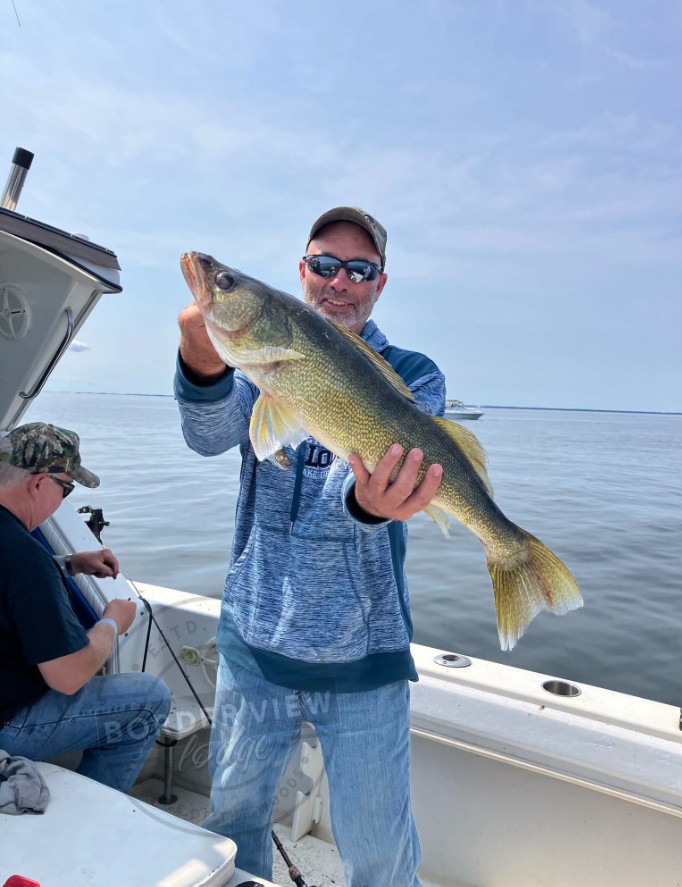
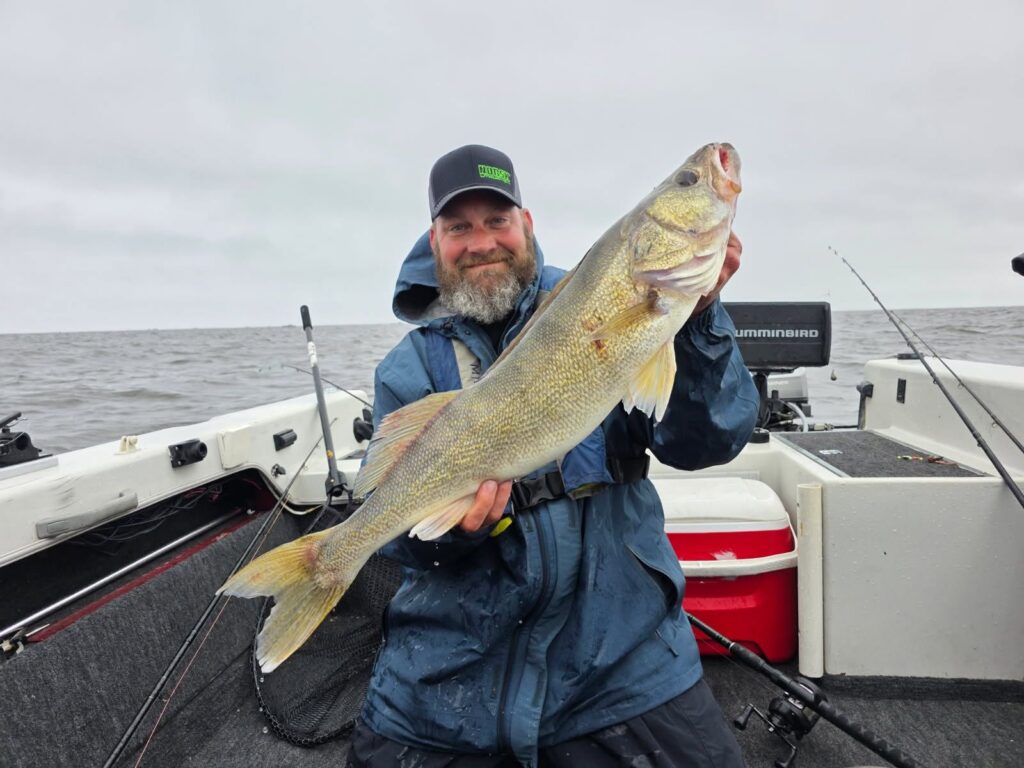
The walleyes remain locked into their deep summer patterns, and the caliber of fish coming off Lake of the Woods right now is turning heads. Numbers have been strong, the average size is impressive, and the trophies are showing up in a big way. Here’s a look at the three areas this week.

Big Traverse Bay (South Shore)

On the south end, drifting spinners and crawlers and trolling crankbaits have been the go-to methods for most anglers. Both are excellent for locating fish, and once you find a school, things tend to go pretty well — lots of limits have been coming in.

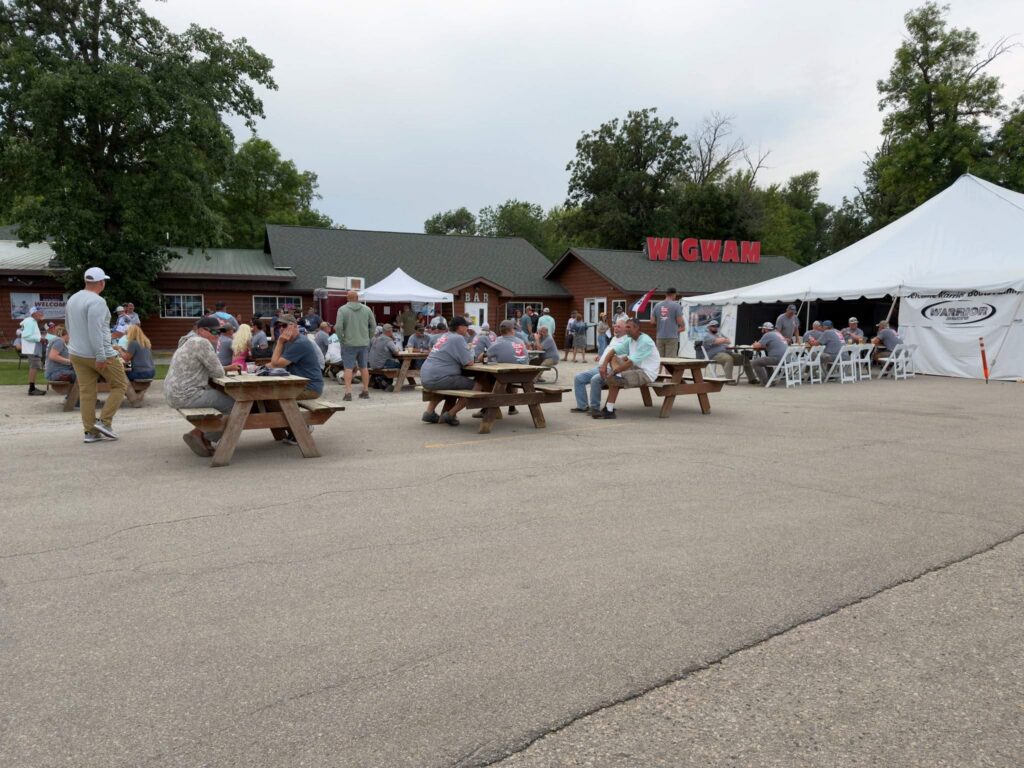
The size structure is what really stands out. Anglers are boxing their eater walleyes under 19.5 inches, but there have been plenty of reports of good-sized slot fish in the 19.5 to 28.0 inch range that must be released, along with many true trophies over 28 inches. Need proof? The Minnesota Tournament Trail held its two-day event on the lake this past week, and the winning team’s top ten walleyes weighed an incredible 96.30 pounds. That’s a 9.63-pound average across ten fish. In a catch-and-release format, with most teams sharp-shooting big walleyes using forward-facing sonar, that kind of weight leaves no doubt: Lake of the Woods is a genuine trophy walleye lake. 

Colors…  Hammered gold, hammered silver, gold/red, gold/pink and bubble gum are good colors to start with.  Every day can be different based on cloud cover, sunny skies and the forage the fish are pursuing in your fishing spot.

Rainy River

The Rainy River keeps offering up a satisfying mixed bag. The approach for walleyes mirrors what’s working on the main lake.  Some anglers jig key spots while others troll spinners and crawlers or crankbaits and a variety of species keeps things interesting. Sturgeon season is open as well, with the deep holes holding good numbers of these prehistoric giants for anyone looking to bend a rod on the biggest freshwater fish they’ll ever catch.

NW Angle

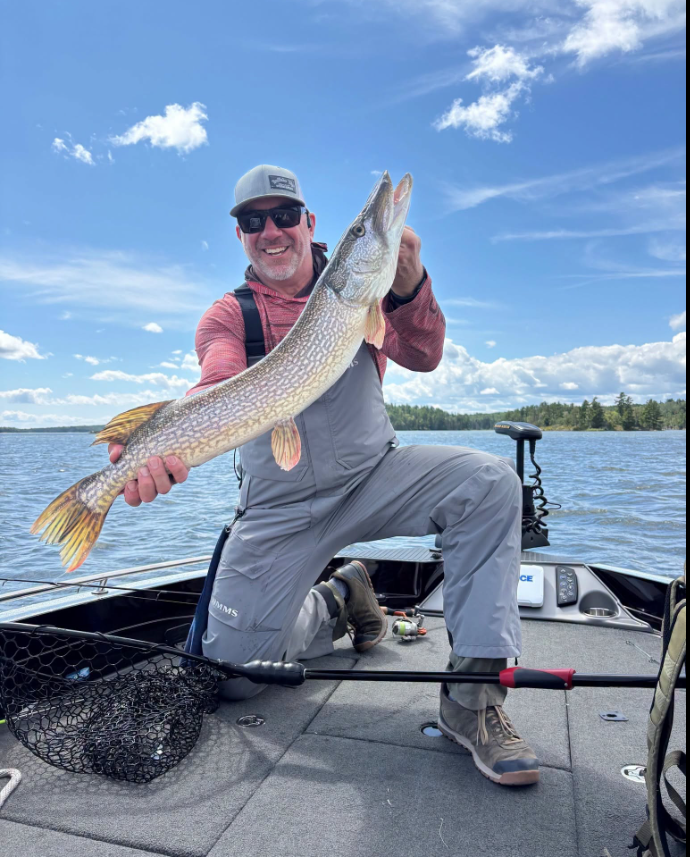
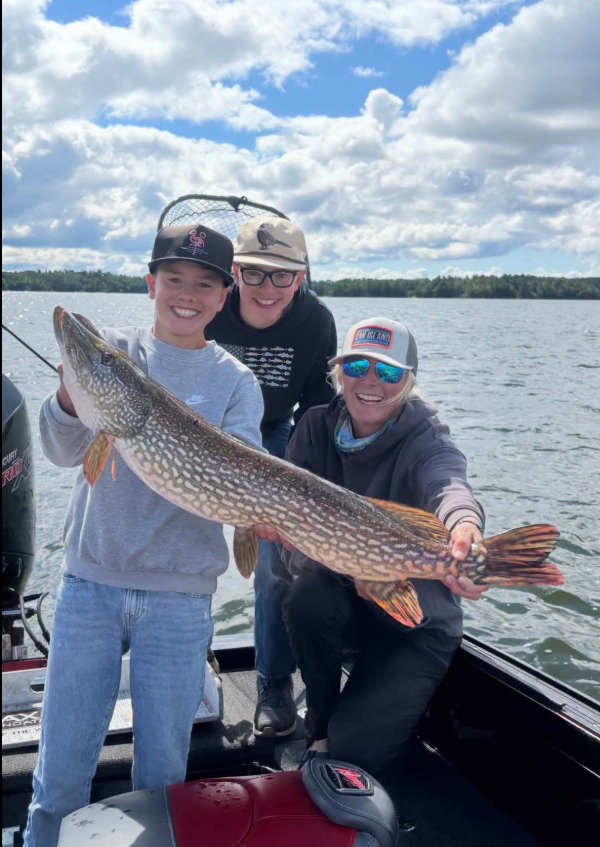
Among the islands up at the Angle, structure continues to be the key. Walleyes are relating to the humps, reefs, and nearby mud, and the multispecies action is as good as anywhere on the lake — big pike, muskies, smallmouth bass, jumbo perch, and crappies all share the water. With so many spots to explore, a little time on the electronics goes a long way toward finding the day’s best bite.

Before You Go

With so many big fish around, it’s a good week for a regulations refresher. The combined walleye and sauger limit is 6 fish total, with up to 4 being walleyes. All walleyes between 19.5 and 28.0 inches must be released immediately, with one walleye over 28.0 inches allowed. A 2026 Minnesota fishing license is required. When you do release those slot fish and trophies, a little care handling them goes a long way toward sending them back healthy.

Late summer is a wonderful time to be on Lake of the Woods, and lodging, guides, and charters around the lake are ready to put you on fish. It’s a great stretch to plan a trip or maybe you are looking ahead to a fall trip.  Lots of options.

To find out more about fishing Lake of the Woods, check out our website at lakeofthewoodsmn.com/fishing/.

Stay connected on social media for daily updates all week long!

lake of the woods south shore rainy river nw angle walleye
Open Water Fishing on Lake of the Woods & the Rainy River (Summer & Fall): FAQs

Open water fishing on Lake of the Woods and the Rainy River offers some of the most consistent and rewarding fishing in North America. From late spring through fall, anglers experience everything from easy, action-packed summer fishing to trophy opportunities in the fall.

Whether you’re fishing the expansive waters of Big Traverse Bay, the scenic Rainy River, or the island-rich Northwest Angle, this is a destination where both beginners and experienced anglers can succeed. With full-service resorts, experienced guides, and millions of fish, planning your trip is easier than you might think.

Open water fishing refers to the season when the lake is free of ice, typically from May through October. This includes both summer fishing and fall fishing, each offering different patterns, techniques, and opportunities for anglers.

Lake of the Woods is known for its abundant walleye population, consistent fishing success, and ability to produce quality fish throughout the open water season. Anglers regularly catch walleyes in high numbers, along with trophy-class fish, making it one of the most reliable walleye fisheries anywhere.

Fishing is excellent throughout the entire open water season:

  • Early Summer (May–June): Walleyes are often shallower and very active.
  • Mid-Summer (July–August): Fish spread out, often over deeper mud basins and structure.
  • Fall (September–October): Big walleyes feed aggressively, especially in the Rainy River and nearshore areas.

There is always a productive bite happening somewhere on the lake.

Lake of the Woods offers three distinct fishing areas:

  • South Shore / Big Traverse Bay – Known for open water walleye fishing, especially over deep mud flats.
  • Rainy River – A scenic and protected option, excellent in both summer and fall.
  • Northwest Angle (Lake of the Woods) – A remote area with thousands of islands, offering incredible structure fishing and multi-species opportunities.

Each area provides a different experience, and many anglers return to explore them all.

The Northwest Angle is the northernmost point of the contiguous United States and part of Lake of the Woods. Known for its rugged beauty and more than 14,000 islands, it offers outstanding fishing for walleyes, muskies, smallmouth bass, and northern pike. For anglers looking for a remote, scenic, and structure-rich experience, the Angle is hard to beat.

Yes. The Rainy River is excellent throughout the open water season. In the summer, it provides a calm, scenic alternative to the lake and is great for walleyes, bass, and pike. In the fall, it becomes a hotspot as walleyes follow emerald shiners into the river, creating outstanding opportunities for big fish.

Lake of the Woods and the Rainy River offer a wide variety of species:

  • Walleyes (primary target)
  • Saugers
  • Northern pike
  • Smallmouth bass
  • Crappies
  • Muskellunge (muskie)
  • Yellow perch

This diversity makes it ideal for both serious anglers and families looking for steady action.

No. Many resorts offer full-service fishing packages that include guided charter boats, equipment, bait, and fish cleaning. It’s an easy and stress-free way to experience the lake, especially for beginners or visitors traveling from out of town.

Absolutely. With high fish populations, simple and effective fishing techniques, and knowledgeable guides, Lake of the Woods is one of the most beginner-friendly fishing destinations anywhere.

Techniques vary throughout the season, but common methods include:

  • Spinner rigs with crawlers
  • Jigging with minnows or soft plastics
  • Trolling crankbaits to cover water

Guides and anglers adjust techniques based on fish location and seasonal patterns.

Depths vary depending on the time of year and location, but anglers commonly fish between 15 and 35 feet during the open water season. Fish may relate to mud flats, reefs, points, or shoreline structure depending on conditions.

If fishing with a guide or charter, you typically only need:

  • A valid Minnesota fishing license
  • Weather-appropriate clothing
  • Sunglasses, sunscreen, and a hat
  • Food and beverages

Most equipment and gear are provided.

Yes, within Minnesota fishing regulations. Many anglers enjoy a traditional shore lunch or bring fish back to their resort for a fresh fish fry—one of the highlights of a trip to Lake of the Woods.

Planning is simple. Start by selecting a resort that fits your style, whether you’re looking for a full-service experience, family-friendly lodging, or a remote getaway. Many resorts offer packages that include lodging, meals, and guided fishing. Booking early is recommended, especially for peak summer and fall dates.

From easy, action-filled summer fishing to trophy opportunities in the fall, Lake of the Woods and the Rainy River offer an experience that’s hard to match. With beautiful scenery, abundant fish, and full-service options, it’s a destination anglers return to year after year.

Hot Weather Walleyes… Crankbait Strategies for the Dog Days of Summer

pay it forward
In many Midwestern waters, the sultry days of August or “dog days” is a tough time to catch walleyes.  The weeds are up, baitfish are prolific which are tough to compete with and catching walleyes consistently is downright tough.  Lake of the Woods late summer is an anomaly.  Many anglers actually plan their fishing trip during the late summer because the fishing is so good.  Yes, you can catch fish a number of ways this time of year, but one of the absolute go-to methods for plucking basin walleyes is pulling cranks.


Big Traverse Bay and Little Traverse Bay

Big Traverse is the big open water of the south part of the lake.  Little Traverse is the open water up at the NW Angle that is much smaller in comparison, but still big to most and is also loaded with fish.

No man’s land this time of year is a prolific aquarium full of life.  As the water warms, many of the walleyes slide to the deepest depths of this basin (30 – 35 feet of water) in search of cooler water and less light penetration.  Most importantly though, there is a smorgasbord of bait in this part of the lake.  Roaming schools of emerald shiners, tulibees, perch and trout-perch minnows (a minnow that lives in the deeper depths) are in abundance.

There is also a variety of critters walleyes eat that call the mud their home.  Blood worms, a variety of invertebrates, and nymphs of aquatic insects (before they reach the surface to shed their skin reaching adult stage) are just a few.

So, here’s the scenario, tens of thousands of walleyes all living in a big expanse of open water.  In most cases, there is very few “spot on a spot” areas that will group walleyes tightly.  Thus, it makes sense to cover some water.  Hence, pulling crankbaits is not only a great fit, but it is also effective.

The trick is to present the right crankbait at the walleye’s desired speed in front of or a few feet above the walleyes in the relatively deeper waters.  With technology and ever developing products, getting a crankbait down to 35 feet has become much easier.

Downriggers

It isn’t realistic that most anglers will have downriggers on their boats.  Up at LOW, many do, however.  Getting cranks down to the bottom foot or two of the lake in 30-35 feet of water where the majority of the walleyes are living is key.  Downriggers are extremely effective in consistently positioning the lures in the strike zone, even when the boat surges from a wave.

In other bodies of water, some may argue downriggers spook walleyes.  Perhaps they do, not here, however.  Maybe it is the stained color of the water, but year in and year out, riggers catch a ton of walleyes.

Lead Core Line

In today’s world, an angler can pick up an entire rod and line counter reel filled with lead core line for around $100.  What a great option at a moderate price point to be able to play at these deeper depths.  Lead core line is exactly that, line with lead as its core which causes it to sink.  The more line you let out, the deeper your crankbait will reach.

In a nutshell, lead core line has a different color every 10 yards.  For every color of lead core let out, your lure will go down an additional 5 feet.   I really encourage anglers who may be intimidated by formulas and dive charts to keep it simple.  Estimate how deep your crankbait dives.  Figure out how much deeper you want your lure to run and let out what you believe is the amount of lead core to get you there.  Then, troll and watch your rod tip. Crankbaits for Lake of the Woods

If your rod tip starts to bounce, the crankbait is hitting the mud, reel line in 10-foot increments until it stops.  If your rod tip does not bounce, let out more line until it does, you’ve found the bottom.  Again, reel up line in 10-foot increments until you are not hitting bottom.  This will get you in that bottom two feet of the water column, right where you need to be.

One disadvantage to using lead core is it takes a long time to reel in fish and let the lure back out.  Because of this, there is lead core product I use that has been helpful.  Suffix 832 Advanced Lead Core dives 30% deeper than traditional lead core which allows you to reach your desired depth with less line.  To me, that 30% less reeling is worth something.

Braided line with a deep billed crankbait.  When looking to reach depths in excess of 30’, some of the deeper diving crankbaits teamed up with a thin diameter braided or superline will get down deep.  If the fish are hitting the bigger billed cranks, you are in business.  If by chance you want to use smaller baits, it is tougher to get down deep with just the crank.  When the walleye show a liking to the larger billed crankbaits, this method is effective.as been helpful.  Suffix 832 Advanced Lead Core dives 30% deeper than traditional lead core which allows you to reach your desired depth with less line.  To me, that 30% less reeling is worth something.

Bouncers and Three-Way Rigs

I had a conversation recently at a sports show with an angler who spends a fair amount of time trolling the deep mud on LOW with success.  He laughed as he said, “everyone has this fancy equipment, heck, we still use a 4 oz bouncer with a 6-8’ leader and a shallow diving crank and we catch all the walleyes we want.”  There are a number of ways to get down there, and it doesn’t have to be rocket science.  A tip, make sure to lower your bouncer slowly to avoid tangling.

A three-way rig is similar to a bouncer, but instead of a wire with a piece of lead as in the case of a bottom bouncer, a three-way rig uses a 6-12” piece of line down to a sinker.  The third part of the three-way swivel has a leader to the crankbait.  Believe it or not, there are days when three ways are the ticket and will greatly outfish a bouncer set up.

I have literally heard anglers discuss how they have had success on every shape, color, wobble, and brand.  Here is my advice.  The water is stained, meaning it is stained a light brown color from natural tannins.  With this being said, as a rule, gold or bright colors dominate.  Gold is a staple color on Lake of the Woods.

My go-to colors are gold, blue/chrome, pink and UV pink, firetiger and black.  Yes, black.  By raising the black crank up a bit, walleyes see that dark silhouette against the sunlight above.  Just like night fishing, dark-colored lures can rule against the shine of the moon.

When fishing with a partner, I will start us out with two different colors and wobbles.  When pulling through fish I can see on the electronics if the fish aren’t responding, we rotate lures, speeds, and nuances until something clicks and then we hone in.  Every day can be different.  It’s just a matter of going fishing.

Nuances to Get More Walleyes

During a Minnesota Tournament Trail event using lead core, I was reeling in a crankbait while we were trolling to check for mud as it didn’t seem to be running right.  About 25% of the way in, I get hit, a nice walleye.  My partner notices so he started reeling in and letting out and reeling in, as we are trolling, and he gets a fish.  The rest of the day, we began trolling very erratically, speeding up to 4 mph, dropping down to a crawl, making sharp turns, and began to fill the livewell.

In another instance, I was trolling lead core in a boat that didn’t have rod holders.  Consequently, since the rod was in hand, I began zipping the lure forward, dropping it back and BANG, a fish.  For whatever reason, the walleyes that day wanted the lure to pause and take off abruptly and as soon as it took off again, they ate.

Every day is different, and it is up to us to figure out what the walleyes want.  The point here is rather than just going in a straight line with the same crank at the same speed, mixing it up and noticing what happens will put more fish in the boat.

Charters allow everyone to enjoy this bite.

Downrigger on charter boat, Lake of the Woods There is a great option for those who don’t have a boat or equipment, don’t want to get so involved and want to simply relax and reel in walleyes.  Jump on a charter boat.  The resorts on Lake of the Woods have a large fleet of charter boats with very professional licensed charter captains.  They provide absolutely everything needed for a great day of “Dog Days” fishing.  Resorts combine groups making it possible to accommodate a single person or up to groups of 6.

The “dog days” of summer for many walleye anglers are a time to put down the fishing pole and wait for the cooler waters and dying vegetation of the fall bite.  On Lake of the Woods, late summer is prime time, a time many anglers actually look forward to.  Grab your trolling gear, a handful of cranks and be ready to reel in a bunch of walleyes!

To learn more about Lake of the Woods, check out the Lake of the Woods Tourism website.

To find a guide, charter boat or lodging, check out our lodging page.

Larry Smith Outdoors with Tom Huynh and Nate Wolske: Livescope Secrets for Big Lake of the Woods Walleyes

Larry Smith Outdoors, Tom Huynh, Nate Wolske livescope techniques

For passionate walleye anglers, Larry Smith Outdoors is a trusted source of entertainment and education. In a recent episode, Larry Smith teamed up with two of the top walleye tournament anglers in the nation, Tom Huynh and Nate Wolske, to demonstrate the power of forward-facing sonar and share Livescope secrets for targeting big walleyes. Where better to showcase this cutting-edge technology than Lake of the Woods, one of the best trophy walleye fisheries in the world?

Forward-Facing Sonar: The Game Changer

With forward-facing sonar becoming an increasingly popular tool among anglers, the trio of Smith, Huynh, and Wolske set out to show just how transformative this technology can be on Lake of the Woods. Forward-facing sonar, and in this case, more specifically Garmin Livescope, allows anglers to see fish in real-time as far out as 100 feet from the boat, making it easier to identify, track, and ultimately catch the biggest walleyes in the lake.

As more and more anglers adopt this technology, it’s critical to understand how to use it effectively. In the episode, Tom Huynh and Nate Wolske break down the nuances of forward-facing sonar, sharing tips and techniques that can help both novice and experienced anglers elevate their game. From properly interpreting the sonar’s signals to precise lure presentation, they cover the key details that can make the difference between catching a few fish and having a trophy day on the water.

Youtube video

Targeting Trophy Walleyes on Lake of the Woods

Lake of the Woods is widely regarded as the Walleye Capital of the World, and for good reason. In recent walleye tournaments held on the lake, anglers have consistently caught fish that average over 10 pounds, with some tournament catches reaching an astonishing 11 pounds per fish. This consistent production of giant walleyes has made Lake of the Woods a bucket-list destination for walleye anglers across the country.

During the episode, Larry, Tom, and Nate put their forward-facing sonar to the test, targeting some of the lake’s biggest fish. By carefully studying the Livescope display, they were able to locate individual walleyes, adjust their tactics in real-time, and present their lures directly to the fish. The result? Multiple trophy walleyes caught, providing viewers with a first-hand look at just how effective forward-facing sonar can be when used correctly.

Livescope Tips from the Pros

Tom Huynh and Nate Wolske are known for their success on the tournament circuit, and in this episode, they bring that same level of expertise to the water at Lake of the Woods. Throughout the day, they offer valuable insights on how to maximize the potential of Livescope, sharing practical advice that any angler can use.

One of the key takeaways is the importance of patience. With forward-facing sonar, it’s tempting to chase after every fish that appears on the screen, but Tom and Nate emphasize the value of waiting for the right opportunity. By carefully observing fish behavior and adjusting lure presentation accordingly, they were able to capitalize on the moments when the walleyes were most likely to strike.

They also stress the importance of fine-tuning your equipment. From adjusting the sensitivity settings on your sonar to selecting the right jig or lure for the conditions, Tom and Nate demonstrate how small adjustments can lead to big results. Their expertise and attention to detail are evident in every cast, making this episode a must-watch for anyone looking to up their walleye game.

Lake of the Woods: A Premier Destination for Walleye Fishing

As the episode unfolds, it becomes clear why Lake of the Woods is considered one of the premier destinations for trophy walleye fishing. The sheer size of the lake, combined with its diverse structure and healthy walleye population, makes it an ideal location for using forward-facing sonar to target big fish.

Whether you’re a seasoned angler with years of experience or someone new to the sport, Lake of the Woods offers a unique opportunity to catch trophy walleyes. The addition of forward-facing sonar has only enhanced that opportunity, allowing anglers to unlock new possibilities and elevate their fishing experience to the next level.

The Walleye Capital of the World

As Larry Smith Outdoors wraps up another successful episode, Lake of the Woods continues to live up to its reputation as the Walleye Capital of the World. With forward-facing sonar in hand, anglers like Tom Huynh and Nate Wolske are pushing the boundaries of what’s possible, helping to pave the way for a new era of walleye fishing.

For those looking to take their walleye fishing to the next level, there’s no better place to do it than on Lake of the Woods, and no better time than now.


Info on Lake of the Woods

Lodging, Charter Boats and Guides on Lake of the Woods

Plan Ahead… Fall Colors + Fall Bites at Lake of the Woods

Fall Scenery at Zippel Bay State Park, Lake of the Woods Minnesota

Now is a great time to plan for a great fall colors trip to northern Minnesota.  In Lake of the Woods County, Minnesota, fall colors normally peak during the final two weeks of September through early October. Because it is located in the far northern reaches of the state, the color transition happens earlier than in central and southern Minnesota.

Beltrami Island State Forest: Big Country, Big Color

Beltrami Island State Forest is one of Minnesota’s largest, and fall really shows off its variety here. Think long forest drives, sandy two-tracks, and wide vistas where shimmering aspen and birch glow against evergreen ridgelines. It’s an ideal place to wander—slowly. Bring a thermos, roll down the windows, and stop often for photos where tamarack stands turn that unique, golden color later in the season at this location.

    • Pro tip: Morning and late afternoon light make the colors pop and wildlife more visible. If you’re chasing grouse, these same edges and mixed stands are classic habitat—hike a little, drive a little, and keep your eyes on the cover.

Zippel Bay State Park: Shoreline Gold Meets Big Water Blue

fall colors, aspen, birch, lake of the woods mn
Zippel Bay State Park

Zippel Bay State Park pairs hardwood color with the big-lake backdrop of Lake of the Woods. Walk the beach, wander the harbor area, or take the short trails through stands of maple, aspen, and birch that frame the shoreline. On calm days, the lake mirrors the color, and on breezy days the waves add a soundtrack.

    • Make it a combo: Fish a half-day charter or small-boat outing, then picnic under the canopy. Fall walleyes are close, and when you hop back on shore you’re minutes from classic color loops.

Rainy River & the South Shore: Drive, Drift, and Double-Dip

Follow the Rainy River corridor and you’ll trace a ribbon of color right to the heart of the fall walleye movement. The mix of hardwoods along the banks light up in October, and if you’re on the water, you’ll get the best possible vantage point—color on both Canadian and US sides and reflections in the river.

fall colors relect on the beautiful Rainy River sunsets
Beautiful Rainy River Fall Sunset


    • Boat or bank: A jig and frozen shiner is the simple, effective fall setup. Drift the current breaks, then take a scenic drive along the river or the south shore between access points for bonus leaf views and wildlife sightings.

The Variety Effect: Why Colors “Pop” Up Here

Lake of the Woods country shines because of its mix of species. Aspen and birch deliver bright yellows; maples throw sparks of orange and red; tamarack adds that late-season gold; and conifers provide the deep-green contrast that makes everything else stand out. On sunny afternoons, it looks like the woods are backlit. On overcast days, the colors read richer and more saturated—great for photos.

Make It a Three-Fold Treat: Leaves, Walleyes, Grouse

This season is perfect for a three-in-one trip:

    1. Leaf-peeping: Start your day with a slow drive in Beltrami Island State Forest or a shoreline walk at Zippel Bay State Park.

    1. Fishing: Slide out midday for a walleye run on the south shore or a Rainy River jig bite. Shorter days don’t hurt the bite—often they help.

    1. Grouse walk: Wrap with a late-day stroll along forest roads and trail edges. Even a quick loop can produce flushes when the sun gets low.
      fall hunting grouse walk at beltrami state forest at lake of the woods mn
      Grouse Walk

Quick Planning Tips


    • Timing: With colors approaching peak, the next couple of weeks are prime.

    • Layers & lenses: Mornings are crisp; bring an extra layer and polarized sunglasses for lake glare and river reflections.

    • Camera-ready: Golden hour (one hour after sunrise, one before sunset) turns the canopy electric.

    • Guides & charters: A local captain or guide maximizes your short fall window—focus on the experience while they dial in the bite and the best photo stops.

Fall up here feels different—quieter, richer, and a little more special. Whether you come for the colors and stay for the fishing, or plan a full-on fall colors + fishing + grouse adventure, now is the moment.

For lodging, guides, charters, maps, and current fishing reports, start at LakeoftheWoodsMN.com and make your fall trip happen before the leaves (and the first skim of ice) say otherwise.

See www.lakeofthewoodsmn.com/lodging for all your accommodation needs.

Also check out our Facebook page at: www.facebook.com/lakeofthewoodsmnCome to Lake of the Woods MN to find beautiful fall colors, great walleye fishing and awesome grouse hunting as well.

Fried Perch Dinner

fried perch dinner

Step 1:
In a small bowl, combine the first five ingredients and set aside. In another small bowl, combine the flour, lemon-pepper seasoning, baking powder, garlic salt and parsley flakes.

Continue reading