Summer fishing on Lake of the Woods is very simply, unforgettable. Whether you rely on the professionals at the resorts to lead your adventure on a charter boat or guide boat with a licensed charter captain, or your create your own adventure by fishing on your own, there are simply so many fish, a good number of big fish and so many good spots to fish. Summer fishing on Lake of the Woods is special.
The Hot Jig Bite for Walleyes

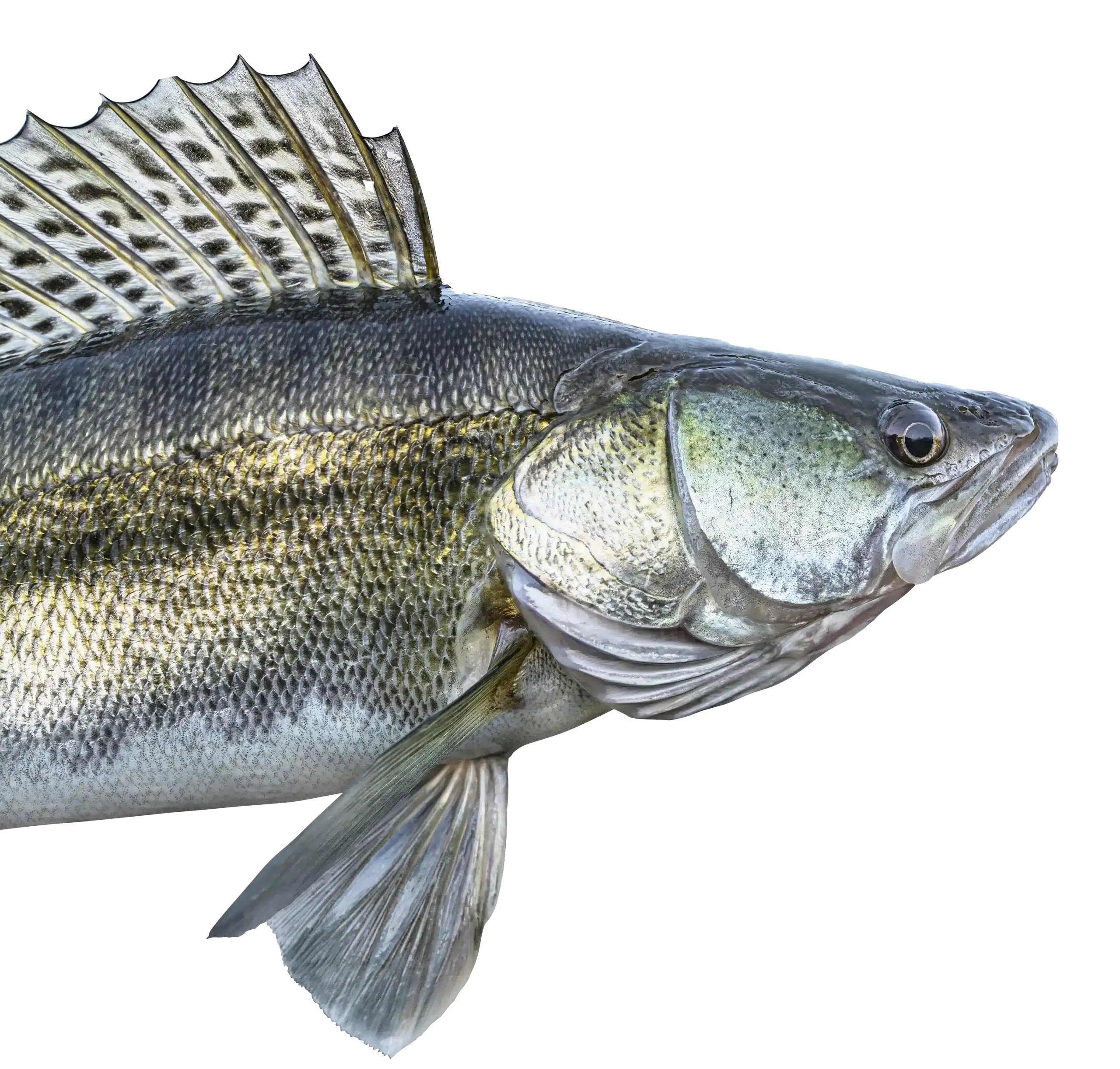
During the summers months, walleyes and saugers, the most sought after fish, are in abundance. Many are spread out over miles of mud flats on the main basin called Big Traverse Bay. Early in the summer, the go to technique for many anglers is a jig and a minnow.
This isn’t rocket science for sure. Basically, get out on part of the lake where the fish are living, anchor up and jig over the side of the boat. The walleyes and saugers on these mud flats are roaming around looking for their next meal. Things normally work out well for anglers.
Plan on catching a variety of sizes of walleyes and saugers. Literally, catching walleyes so small you cannot believe they got the hook in their mouth along with a pile of eaters with the possibility of catching what many anglers come to Lake of the Woods for, a true giant walleye. Sorting through fish to find your keepers for the fry pan is a true sign of a healthy fishery.
As they say, a picture says a thousand words. The below video does a nice job of providing a glimpse of what it’s like summer fishing on Lake of the Woods. This segment feature jigging!
Spinners and Crawlers... Hot for Summer Walleyes

Drifting or trolling spinners with nightcrawlers is one of the most time-tested and productive techniques as mid and late summer arrive on Lake of the Woods. As water temperatures climb and walleyes begin to scatter across flats, points, and mid-depth structure, spinners give anglers a versatile and highly effective way to track them down.
The spinner rig itself is a beautifully simple setup — a colorful blade mounted on a wire harness ahead of a hook or two threaded with a fresh nightcrawler. As the rig moves through the water, the blade rotates and sends out both flash and vibration, mimicking the look and feel of a small baitfish. Walleyes are notoriously sight-oriented predators, and that combination of movement, color, and sound is often all it takes to trigger a strike. The nightcrawler does the rest, offering the natural scent and texture that seals the deal on even the most reluctant fish.
What makes spinner fishing so appealing — especially for visiting anglers — is how approachable it is. Whether you’re slowly drifting across a windswept flat or running a methodical troll along a mid-lake reef, the technique is forgiving and easy to learn. You don’t need years of experience on the water to be effective. Set your spinner at the right depth, keep your speed in that sweet spot of about 1 to 1.5 mph, and let the rig do the work.
Speed and depth are your two main dials to adjust throughout the day. Blade size and color can also make a meaningful difference — brighter, flashier blades like chartreuse or orange tend to shine in stained or choppy water, while more natural gold and silver tones often shine on calm, clear days. Local bait shops around Baudette and throughout the Lake of the Woods area are a fantastic resource for dialing in what’s been working that week.
Because you’re constantly covering water while trolling or drifting, spinners allow you to efficiently search large areas of the lake until you locate actively feeding fish. Once you mark a productive stretch, you can make repeated passes and capitalize on the bite. For a vacation angler looking to maximize time on the water, few methods deliver as consistently — or as enjoyably — as a well-run spinner rig.
Trolling Crankbaits

Trolling crankbaits is another go-to technique that produces walleyes consistently throughout the summer season on Lake of the Woods — and it’s a method that adapts beautifully as fish movements shift from early summer through the dog days of August.
The fundamental rule of crankbait trolling is simple: put your lure where the fish are living. Sounds straightforward, but it’s the detail that separates a slow day from a cooler full of walleyes.
In early to mid-summer, fish are often found in shallower water — cruising shorelines, rock piles, and emerging weed edges in anywhere from 6 to 15 feet. During this phase, trolling crankbaits couldn’t be more accessible. Simply cast out behind the boat, set your rod in a holder, and motor along at a steady pace while covering water. The crankbait dives to its designed depth and works the zone where fish are actively feeding. It’s an incredibly effective and low-effort approach that even first-time visitors can execute successfully on day one.
As summer progresses and water temperatures peak, walleyes on Lake of the Woods push deeper — often suspending or hugging bottom in 18 to 30 feet of water or more. This is where having a few depth-control tools in your arsenal pays big dividends. A bottom bouncer — essentially a weighted wire rig that keeps your presentation ticking along the lake floor — paired with a 5- to 6-foot leader and a crankbait is one of the most reliable ways to run your lure right in the fish’s living room without constantly snagging bottom. The bouncer provides the weight and the crankbait provides the action, and together they cover the strike zone with precision.
Leadcore line is another excellent option for deeper trolling. By letting out a set number of “colors” — each 10-yard segment of leadcore sinks at a predictable rate — anglers can dial in their depth with surprising accuracy and repeatability. Once you find the right formula for a given speed and depth, you can duplicate it pass after pass. It’s a favorite among serious trollers on big-water lakes like Lake of the Woods.
For anglers looking for even more versatility, a three-way rig offers another reliable solution. A three-way swivel connects your main line to a dropper weight and a separate leader with the crankbait, keeping the lure running just above the bottom at whatever depth you choose. It’s a simple, highly adjustable setup that’s particularly effective when fish are tight to the bottom on deeper structure.
Regardless of which depth-control method you choose, a few crankbait fundamentals apply across the board. Speed matters — most walleye trollers find success in the 1.5 to 2.5 mph range, but don’t be afraid to experiment. Color selection can also be a difference-maker; natural perch and shiner patterns are reliable standbys, while brighter chartreuse and fire tiger colors often shine when skies are overcast or the water has a bit of color to it. Again, stopping into a local tackle shop when you arrive is always time well spent — the staff there fish these waters constantly and can point you toward exactly what’s been working.
Lake of the Woods is a massive body of water, and that size works in the visiting angler’s favor when it comes to crankbait trolling. There is no shortage of shoreline to cover, structure to work, or open-water flats to explore. Whether you’re running shallow casts along a rocky Canadian shoreline or methodically deep-trolling a mid-lake hump with leadcore, crankbaits give you the tools to stay in the game all summer long.
Make Life Easy... Jump in with a Guide or on a Charter Boat

Lake of the Woods is a massive, sprawling fishery — over a million acres of water stretching across the Minnesota-Ontario border, dotted with thousands of islands, bays, reefs, and channels. For a first-time visitor, or even a seasoned angler unfamiliar with the lake, figuring out where the walleyes are on any given day can feel like a daunting task. That’s exactly where a guide or charter boat becomes one of the best investments you can make in your vacation.
Climbing aboard a charter boat means you show up, enjoy the ride, and catch fish. It really is that simple. Charter boats on Lake of the Woods are large, stable, and purpose-built for comfort and safety on big water. These aren’t small aluminum tinnies — they’re serious vessels equipped to handle the open-lake conditions that can roll in quickly on a lake this size. A licensed charter captain is at the helm, handling everything from navigation to reading the water to running the gear. Your only job is to hold the rod and enjoy the experience.
One of the biggest advantages of fishing with a seasoned guide or charter captain is the network they operate within. When walleyes are on the move — which they frequently are as seasons and conditions shift — experienced captains are in constant contact with one another, sharing real-time information about where fish have been showing up, what depths they’re holding at, and what presentations are triggering bites. That kind of up-to-the-minute, boots-on-the-water intelligence simply isn’t available to someone pulling up to the lake cold. A good captain doesn’t just know where fish were last week — they know where they are today.
Booking a guide or charter is also easier than you might think. Most resorts and lodging properties throughout the Lake of the Woods area wither have their own guides or have established relationships with local guides and charter operations and can help arrange everything right from the front desk before you ever arrive. It’s one less thing to coordinate before your trip, and it means you’re likely getting a referral to someone the resort knows and trusts.
And the service doesn’t end when the lines come out of the water. Don’t know how to fillet a walleye, or simply don’t want to spend your vacation evening at the cleaning table? Not a problem — fish cleaning is part of the deal. Your guide takes care of it, and you walk away with a neat package of fresh walleye fillets ready for the pan. Better yet, many of the resorts in the area will cook your catch right in their own kitchen, turning the day’s harvest into a genuine shore-lunch or dinner experience. There’s nothing quite like sitting down to a meal of fresh walleye that was swimming in Lake of the Woods just hours before — it’s one of those memories that brings anglers back year after year.
Whether it’s your first time on the water or you simply want to maximize every hour of your trip, booking a guide or charter is quite possibly the smartest decision you can make. The lake does the rest.
Where to Stay

There are basically three areas to Lake of the Woods. Some resorts are located on the Rainy River which is out international border with Canada and makes it’s way to Lake of the Woods. The river is not only picturesque but also good fishing.
The second area of the lake is the south shore overlooking big Lake of the Woods. A beautiful area overlooking the walleye filled waters of Big Traverse Bay.
The third area is that little tip of Minnesota that sticks up into Canada called the NW Angle.
There are a variety of lodging options within each area. Some like staying at a full service resort with charter boats, bar, restaurant and other nice amenities like pools, etc. Some prefer cooking their own meals and staying in a smaller resort setting. There are also very nice hotels and other rentals throughout the area. This lodging page basically features them all.
The summer fishing is great, but there is so much more. You are out amongst nature. The air is fresh and there are a variety of birds and wildlife around. It is common while fishing to see ducks, geese, seagulls, pelicans, loons, terns, herons, eagles and even a very rare piping plover on occasion.
Wildlife thrives in the area. Deer, bears, and wolves are just a few of the large game living living in the area. There is a wide variety of small game animals as well and while in the area, there is a good chance, you will see some.
This area is special. There are about 4,000 people in all of Lake of the Woods County and not one stoplight! This area is about outdoor recreation and the fishing is number one on the list for good reason.
If you want adventure and some of the best fishing anywhere, check out a summer fishing trip on Lake of the Woods. Try it one time and you’ll be back!
Helpful information about the Lake of the Woods area
Lodging around the Lake of the Woods area
How to travel to Lake of the Woods
Lodging Availability Finder. Enter desired dates, what part of the lake and hit Enter!
Open Water Fishing on Lake of the Woods & the Rainy River (Summer & Fall): FAQs
Open water fishing on Lake of the Woods and the Rainy River offers some of the most consistent and rewarding fishing in North America. From late spring through fall, anglers experience everything from easy, action-packed summer fishing to trophy opportunities in the fall.
Whether you’re fishing the expansive waters of Big Traverse Bay, the scenic Rainy River, or the island-rich Northwest Angle, this is a destination where both beginners and experienced anglers can succeed. With full-service resorts, experienced guides, and millions of fish, planning your trip is easier than you might think.
What is open water fishing on Lake of the Woods?
Open water fishing refers to the season when the lake is free of ice, typically from May through October. This includes both summer fishing and fall fishing, each offering different patterns, techniques, and opportunities for anglers.
Why is Lake of the Woods considered the “Walleye Capital of the World”?
Lake of the Woods is known for its abundant walleye population, consistent fishing success, and ability to produce quality fish throughout the open water season. Anglers regularly catch walleyes in high numbers, along with trophy-class fish, making it one of the most reliable walleye fisheries anywhere.
When is the best time to fish during the open water season?
Fishing is excellent throughout the entire open water season:
- Early Summer (May–June): Walleyes are often shallower and very active.
- Mid-Summer (July–August): Fish spread out, often over deeper mud basins and structure.
- Fall (September–October): Big walleyes feed aggressively, especially in the Rainy River and nearshore areas.
There is always a productive bite happening somewhere on the lake.
Where should I fish on Lake of the Woods?
Lake of the Woods offers three distinct fishing areas:
- South Shore / Big Traverse Bay – Known for open water walleye fishing, especially over deep mud flats.
- Rainy River – A scenic and protected option, excellent in both summer and fall.
- Northwest Angle (Lake of the Woods) – A remote area with thousands of islands, offering incredible structure fishing and multi-species opportunities.
Each area provides a different experience, and many anglers return to explore them all.
What is the Northwest Angle and why fish there?
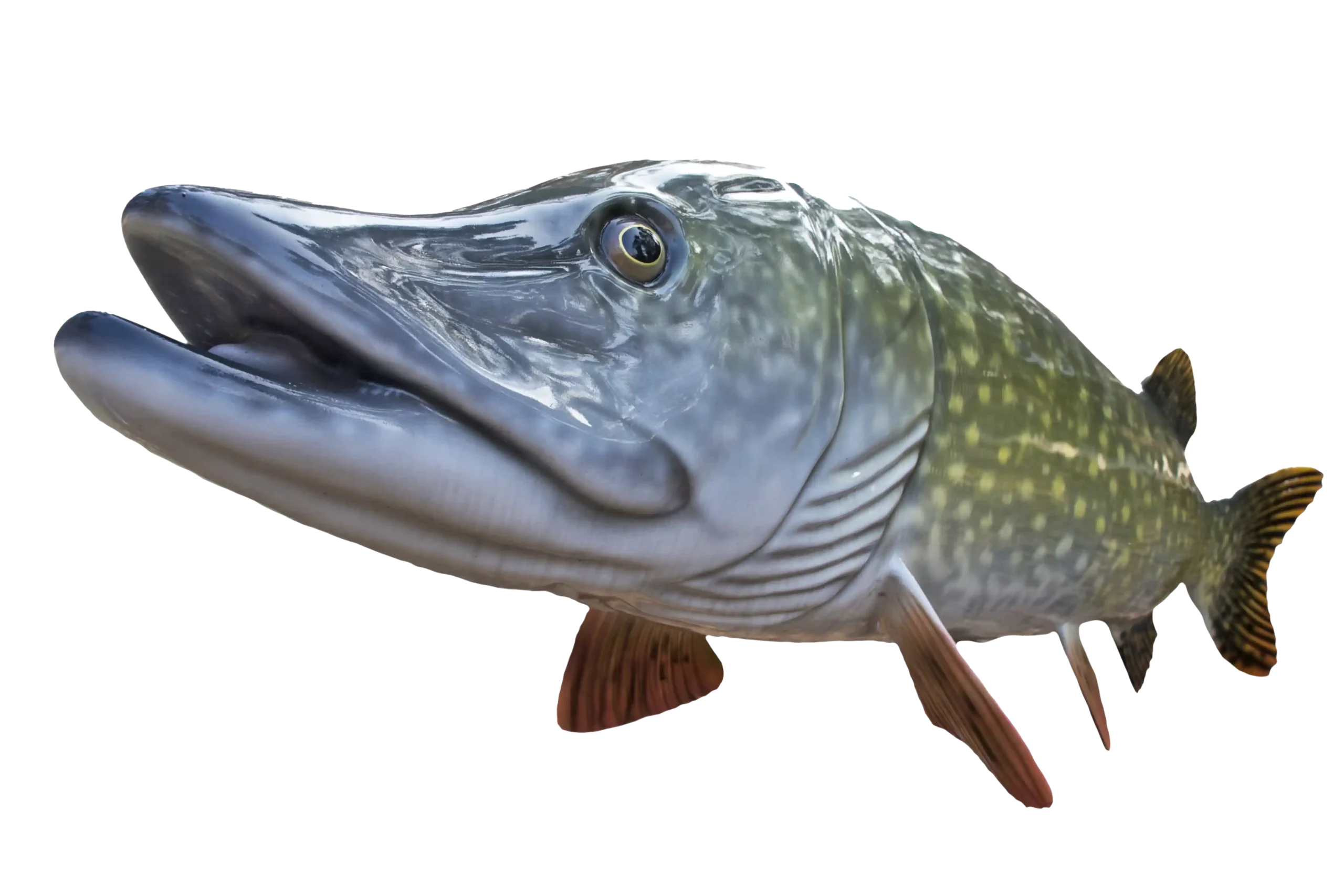
The Northwest Angle is the northernmost point of the contiguous United States and part of Lake of the Woods. Known for its rugged beauty and more than 14,000 islands, it offers outstanding fishing for walleyes, muskies, smallmouth bass, and northern pike. For anglers looking for a remote, scenic, and structure-rich experience, the Angle is hard to beat.
Is the Rainy River good for fishing in the summer and fall?
Yes. The Rainy River is excellent throughout the open water season. In the summer, it provides a calm, scenic alternative to the lake and is great for walleyes, bass, and pike. In the fall, it becomes a hotspot as walleyes follow emerald shiners into the river, creating outstanding opportunities for big fish.
What fish can I catch during open water season?
Lake of the Woods and the Rainy River offer a wide variety of species:
- Walleyes (primary target)
- Saugers
- Northern pike
- Smallmouth bass
- Crappies
- Muskellunge (muskie)
- Yellow perch
This diversity makes it ideal for both serious anglers and families looking for steady action.
Do I need my own boat or fishing equipment?
No. Many resorts offer full-service fishing packages that include guided charter boats, equipment, bait, and fish cleaning. It’s an easy and stress-free way to experience the lake, especially for beginners or visitors traveling from out of town.
Is this a good destination for beginner anglers?
Absolutely. With high fish populations, simple and effective fishing techniques, and knowledgeable guides, Lake of the Woods is one of the most beginner-friendly fishing destinations anywhere.
What techniques are used during open water fishing?
Techniques vary throughout the season, but common methods include:
- Spinner rigs with crawlers
- Jigging with minnows or soft plastics
- Trolling crankbaits to cover water
Guides and anglers adjust techniques based on fish location and seasonal patterns.
How deep do you fish for walleyes?
Depths vary depending on the time of year and location, but anglers commonly fish between 15 and 35 feet during the open water season. Fish may relate to mud flats, reefs, points, or shoreline structure depending on conditions.
What should I bring on a fishing trip?
If fishing with a guide or charter, you typically only need:
- A valid Minnesota fishing license
- Weather-appropriate clothing
- Sunglasses, sunscreen, and a hat
- Food and beverages
Most equipment and gear are provided.
Can I keep and eat the fish I catch?
Yes, within Minnesota fishing regulations. Many anglers enjoy a traditional shore lunch or bring fish back to their resort for a fresh fish fry—one of the highlights of a trip to Lake of the Woods.
How do I plan a fishing trip to Lake of the Woods?
Planning is simple. Start by selecting a resort that fits your style, whether you’re looking for a full-service experience, family-friendly lodging, or a remote getaway. Many resorts offer packages that include lodging, meals, and guided fishing. Booking early is recommended, especially for peak summer and fall dates.
Ready to Experience Open Water Fishing?
From easy, action-filled summer fishing to trophy opportunities in the fall, Lake of the Woods and the Rainy River offer an experience that’s hard to match. With beautiful scenery, abundant fish, and full-service options, it’s a destination anglers return to year after year.