Skip to content
Ice Fishing Lake of the Woods MN

Your first trip

Ice Fishing for Beginners at Lake of the Woods

Your first ice fishing trip starts with a warm breakfast, not a pile of gear.

Picture it: you step out of a cozy resort, climb into a heated vehicle, and ride across a frozen lake to a fish house that’s already warm, set up, and ready for you. Your line goes down, the coffee’s hot, and your guide checks in to make sure you’re having a great time. At the end of the day, you’re back at the resort in time for dinner and a drink, and your catch gets cleaned for you. No gear to buy, no experience required. That’s ice fishing at Lake of the Woods, if you want it to be.

The Epicenter of Ice Fishing

Ice fishing is one of the fastest growing segments of fishing across the Midwest, and Lake of the Woods is the epicenter of world-class ice fishing in North America, with millions of angling hours logged here every winter. The water has a light coffee tint, so the fish bite all day, and the lake’s resort community has spent decades making the experience easy for people who’ve never held an ice fishing rod.

Big Lake, Easy Start

Lake of the Woods is the largest freshwater lake in the country outside the Great Lakes, with more than 14,000 islands and over 65,000 miles of shoreline, and the ice can reach more than 50 inches thick. You don’t need expensive rods, tackle, or outerwear to get started. Come as you are.

Made for Families and Friends

It’s also one of the best trips you can take with other people. Families love it because kids can fish in a warm house with snacks and room to move around. Groups of friends love it because a day or a weekend on the ice is built for laughing, storytelling, and friendly competition over who lands the biggest fish. Some groups come back every year and make it a tradition. You can even stop at the bars out on the ice: the Igloo Bar at Zippel Bay Resort and the Angry Walleye at Cyrus Resort.

Let a Resort Handle the Details

Whether you fish by day and sleep at the resort, or spend a few nights right on the ice, a resort can take care of the details. Your house is heated and ready, your holes are drilled, your ride is arranged, and staff check in on you throughout your stay. Here’s how to choose.

Life on the ice

A Village That Pops Up Every Winter

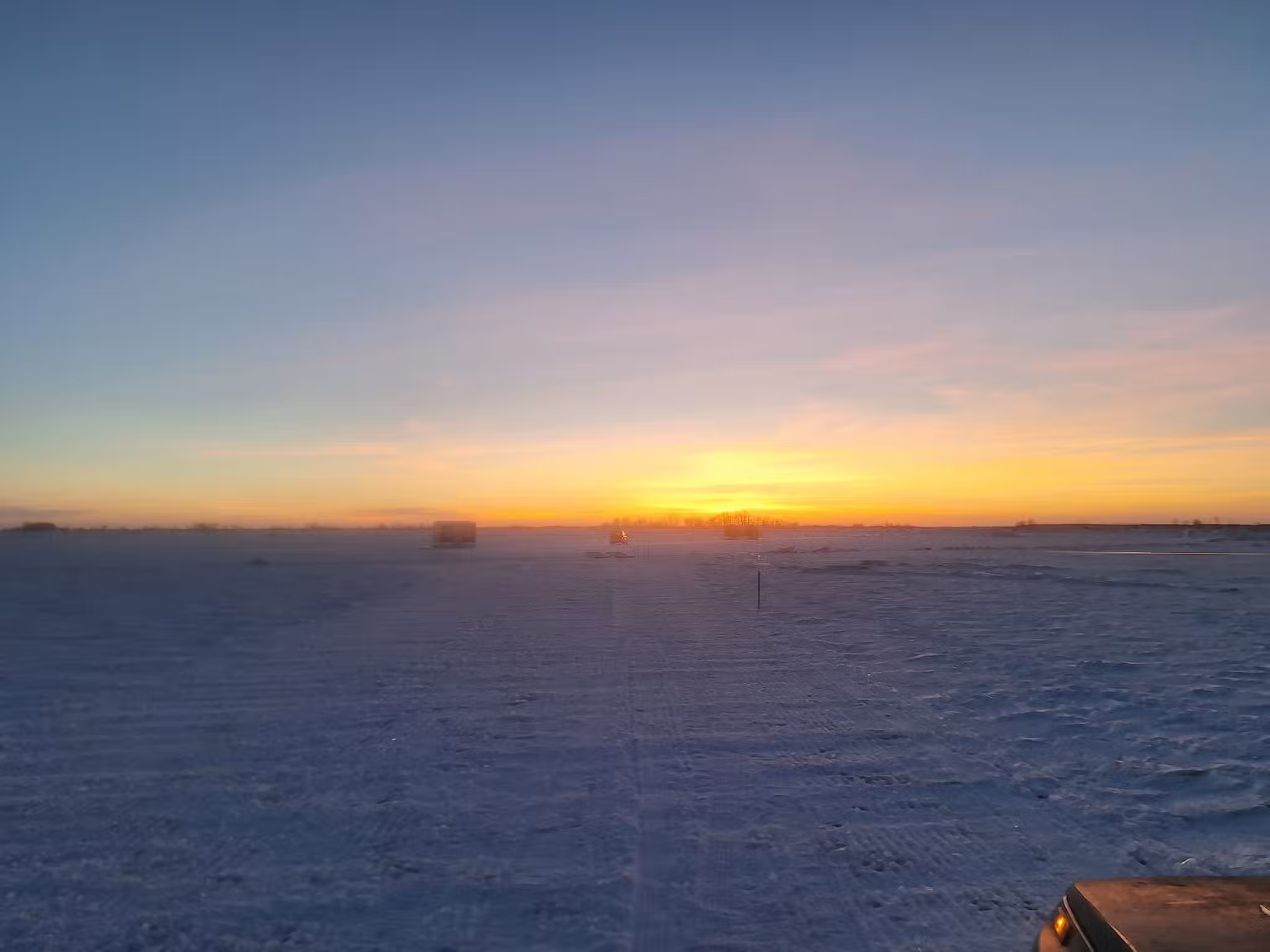
Every winter, the fish houses spread across the ice into pop-up fishing villages, and they’re as social as they are scenic. Neighbors trade tips and stories, someone always stops by to see what’s biting, and the ice bars become the place where strangers turn into friends by the end of the weekend.

Ice Igloo Lake of the Woods, MN

Igloo Bar, Zippel Bay Resort

ice fishing
Angry Walleye Ice Bar at night

Angry Walleye, Cyrus Resort

Plan your trip

Choose Your Ice Fishing Trip

Your first trip comes down to one choice: how much of the work you want a resort to handle. Here are your options, from easiest to most challenging.

Option 1: Stay at a resort and fish from a day house

Best for first-timers. You sleep in the resort’s lodge, cabin, or room and spend your days on the ice. The resort handles the hard parts. A heated vehicle takes you to your fish house, where the holes are drilled and the heat is on. Many resorts supply bait, and some provide rods, tackle, and lunch. Your guide shows you how to feel the bottom, how to jig, and which lure colors to try, and many houses have a bathroom inside and a small stove for heating meals. Guides check on you a couple of times during the day, bring you back for dinner, and clean and deliver your fish. Many resorts bill on the American Plan, so lodging, meals, and fishing come as one price.

Best for: first-timers, families, kids, and anyone who wants warm and easy.
Ice Fishing Lake of the Woods, MN
Bombardier, Sunset Lodge, The Woody, ice fishing Lake of the Woods

Option 2: Sleep on the ice in a sleeper house

A sleeper house is a heated fish house with bunks. You fish all day, sleep on the ice at night, and can keep a line in the water if you like. Resort staff check in a couple of times a day. Stays average two to three nights, so you’ll bring bedding, food, cooking gear, and a cooler. Ask whether your resort maintains an ice road: if it does, you can come and go as you please, and if it doesn’t, you’ll need to arrange any trip off the ice with a guide.

Best for: groups of friends, adventurous first-timers, and anyone who wants the full overnight experience.

Day house or sleeper house?

Day houseSleeper house
Where you sleepResort lodging on shoreIn the fish house, on the ice
Typical stayAny lengthTwo to three nights
What you bringWarm clothing, snacksPlus bedding, food, cooking gear, cooler
Guide check-insA couple of times a dayA couple of times a day
Best forEasiest first tripOvernight adventure

Option 3: Book a resort room and fish on your own

Some resorts offer lodging without guided ice fishing packages. You can stay there and handle the fishing yourself. Before you go, talk to the resort about ice road access and any fees. You won’t have the guide service, so you’ll arrange your own gear, transportation, and a way to stay safe on the ice.

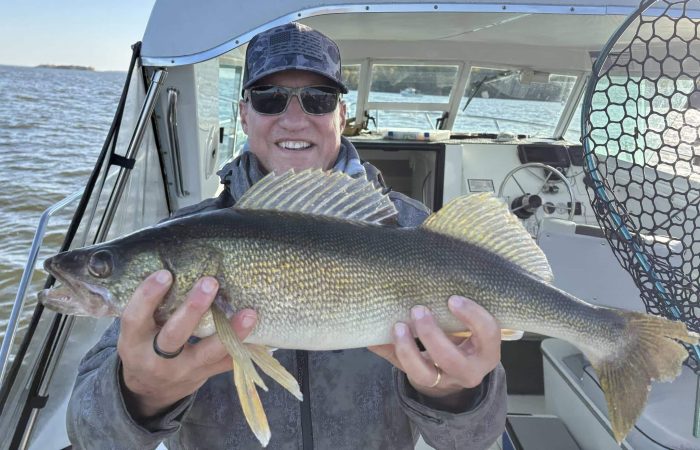
walleye lake of the woods

Option 4: Bring your own fish house and gear (only if you must)

This is the most challenging way to ice fish Lake of the Woods, and it isn’t where we’d start a first-timer. You bring your own fish house, your own gear, and your own know-how, and you handle everything a resort normally does: finding where to fish on an enormous lake, getting to your spot, drilling holes, and judging ice conditions. If you aren’t staying with a resort, call one ahead of time about their ice road fee. Anglers should also be cautious about fishing the river unless they’re with a resort or outfitter. Even a short phone call to a resort can save you a lot of trouble.

For every option: you need a Minnesota fishing license, and fish houses are typically on the ice through March 31.

Keep Planning

Featured guide

Guide to Planning an Ice Fishing Trip to Lake of the Woods

Having options is a good thing, and on Lake of the Woods you’ve got plenty. Here’s a rundown to help you plan a trip that fits what you’re looking for.

Trophy March pike at Arnesen's Rocky Point, Lake of the Woods MN ice fishing
Ice Fishing Lake of the Woods, MN
Ice fishing Lake of the Woods, MN

Know before you go

Ice Fishing Etiquette for Beginners

Lake of the Woods sees millions of angling hours every winter, and resorts work hard to groom roads, place houses, and keep everyone safe. A few good habits keep the ice fun for everyone. Here’s what the community asks of everyone on the ice. If you’re fishing with a resort, your guide handles much of this, but it helps to know why the rules exist.

Ice road sign, Zippel Bay Resort, Lake of the Woods

On the ice roads and trails

  • Never drill a hole in an ice road. It floods the road, and sometimes the whole road has to be rerouted.
  • Keep it under 15 mph. Driving on ice pushes a wave ahead of your vehicle under the ice. Speed damages it, especially early in the season, even if nothing cracks right away.
  • Use only approved vehicles and obey weight limits. If a resort says snowmobiles, ATVs, and side-by-sides, a small SUV is not a safe substitute. It endangers you and damages the road for everyone. Each road sets its own limits, and they change with conditions. If you bring a wheelhouse, call the resort first and confirm your vehicle and wheelhouse length are allowed.
  • Stay on the marked trails. Resorts mark routes that avoid springs, cracks, and upheavals. Anglers who get into trouble are usually the ones who left the trail. A single stake or flag means the trail is in good shape. Double flags mean caution ahead, such as a crack or ice chunk. If you’re unsure what a marker means, ask.
  • Pay your road fee. Many resorts plow ice roads and charge a road fee. If you didn’t pay for a road, don’t use it without permission.
  • Come off the lake at a reasonable hour, when others do. The best fishing is during the day, and having other people around helps if you get in trouble.

Setting up and drilling

  • Don’t drill close to another fish house. Stay at least 15 to 20 feet away, and more is better. The weight of the snow and the house, plus a new hole, floods the area with slush. That makes it hard to get to the house, and it can freeze in place when it’s time to move it.
  • Give other anglers space. It’s tempting to set up next to someone who’s catching fish, but fish move around on this big lake, and distance often helps your own luck too.
  • Respect the spots resorts plow for their guests. Public water is technically open to all, but it’s poor etiquette to set up in an area resorts have prepared for paying customers. Ask, and they’ll often plow you a spot nearby with similar fishing.

Inside the fish house

  • Keep the noise and movement low. Sound travels fast under the ice, and quiet in the house helps the fishing.
  • Keep your house clean and respect the safety guidelines your resort gives you.
  • Ask before you move. Resorts often let you relocate if the bite slows, but check with your guide first.
  • Show up when your resort asks. Sleeper house check-in can be earlier than you expect. At one resort, guides want you set up on the ice by 4 pm so they can do a final round of checks.
  • Have a restroom plan. Many fish houses now have a bathroom inside, so ask your resort what’s available on the ice. Avoid using the ice around a sleeper house as a bathroom. If you bring a wheelhouse with a waste tank, two winter dump stations serve the area: Log Cabin Bait near Wheeler’s Point and Howard’s Cenex in Baudette.

Keep it clean

  • Know Minnesota’s Keep It Clean law. Garbage and waste can’t be left on the ice. Everything stays in your vehicle, your fish house, or a covered container, and the law is being enforced.
  • Use colored bags, not white ones. White bags disappear in the snow.
  • Don’t store garbage outside when the wind picks up. Keep it in your vehicle.
  • Take wood blocks with you and never use treated lumber under your house.
  • Plan where your trash goes before you leave. Dumpsters at access points are no longer provided, so take it back to the resort or home. If you’re with a resort, ask whether they offer garbage service.
  • Pick up what others leave behind. Trash left on the ice washes up on shorelines in spring, so every bit counts.
  • Never leave fish carcasses on or under the ice.

Taking care of fish

  • Be ready before the fish arrives. Bring needle-nose pliers, a jaw spreader, a measuring tape, and a camera.
  • Release fish quickly. Hold the fish in the water and move it gently side to side. Don’t push it down and pull it back up, which can harm it.
  • Don’t take a fish outside in extreme cold. Eyes, gills, and fins can freeze quickly. Don’t hold a fish by its eyes or put your fingers in the red gill area.
  • Know the size and number limits before you go. Some fish must be released if they fall in a protected size range: see the Regulations page.
  • Keep fish intact and measurable on the ice. If you prepare a fish for a meal on the ice, keep the measurable carcass, which still counts toward your daily limit. Don’t let fish or carcasses freeze together in a block. Pack them in snow or ice shavings. Dispose of carcasses properly before you keep more fish the next day.
  • Cooperate with creel surveys. DNR clerks interview anglers at access points about time fished and fish kept and released. It helps fisheries management.
  • Report violations. If you see someone breaking a fishing law, call the DNR’s 24-hour TIP hotline at 1-800-652-9093.

Safety is good manners too

  • Work through a resort or outfitter. Ice workers monitor thickness daily, drive the roads each morning, and add bridges or reroute around problem spots. Let them tell you what’s safe.
  • Don’t take chances. There’s always someone who’s the first to walk out or drive a vehicle onto the ice. Don’t be that person.
  • Carry ice picks, worn where you can reach them. They could save your life, or someone else’s if you toss them.
  • Charge your phone and bring a battery pack. If you’re out of range, a text can sometimes get through.
  • In an emergency, call 911 first.
  • Dress for the worst. Layers, a hat, and gloves. Some ice fishing suits also float.
  • Get your vehicle ready. Keep the tank above half, and carry a tow strap, jumper cables, and a shovel.
  • Use GPS and mark your departure point so you can follow your track back in a whiteout. If conditions turn extreme and you have a heated house, stay put and let a resort know where you are.
  • Watch kids closely and talk with them about cold water and ice before you go.
  • Walking on ice: the DNR guideline is at least 4 inches of new, clear ice. Vehicles are a different matter, so let your resort tell you what’s allowed.

Be a good neighbor

  • Lend a hand. A stuck truck, a stuck auger, or someone struggling with a fish house is a small problem with two people. Stop and help.
  • Pay what you owe, and tip your guides. Guides drive ice roads at all hours and often clean your fish late at night.

Ready to Plan Your First Ice Fishing Trip?

Pick your resort, choose a day house or a sleeper house, and let the experts handle the rest.

Lake of the Woods MN Fishing Report..October 13, 2026

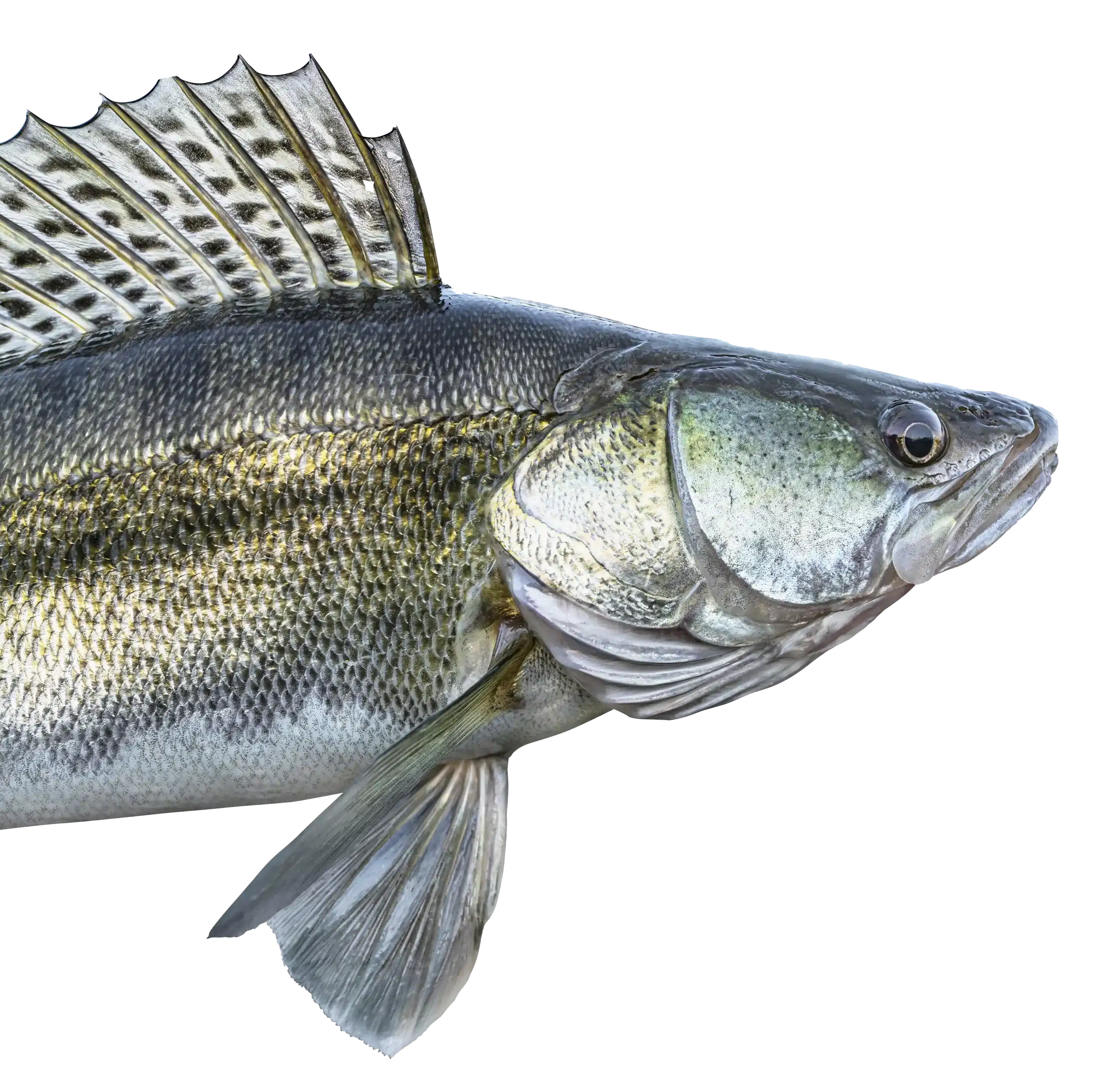
Walleye
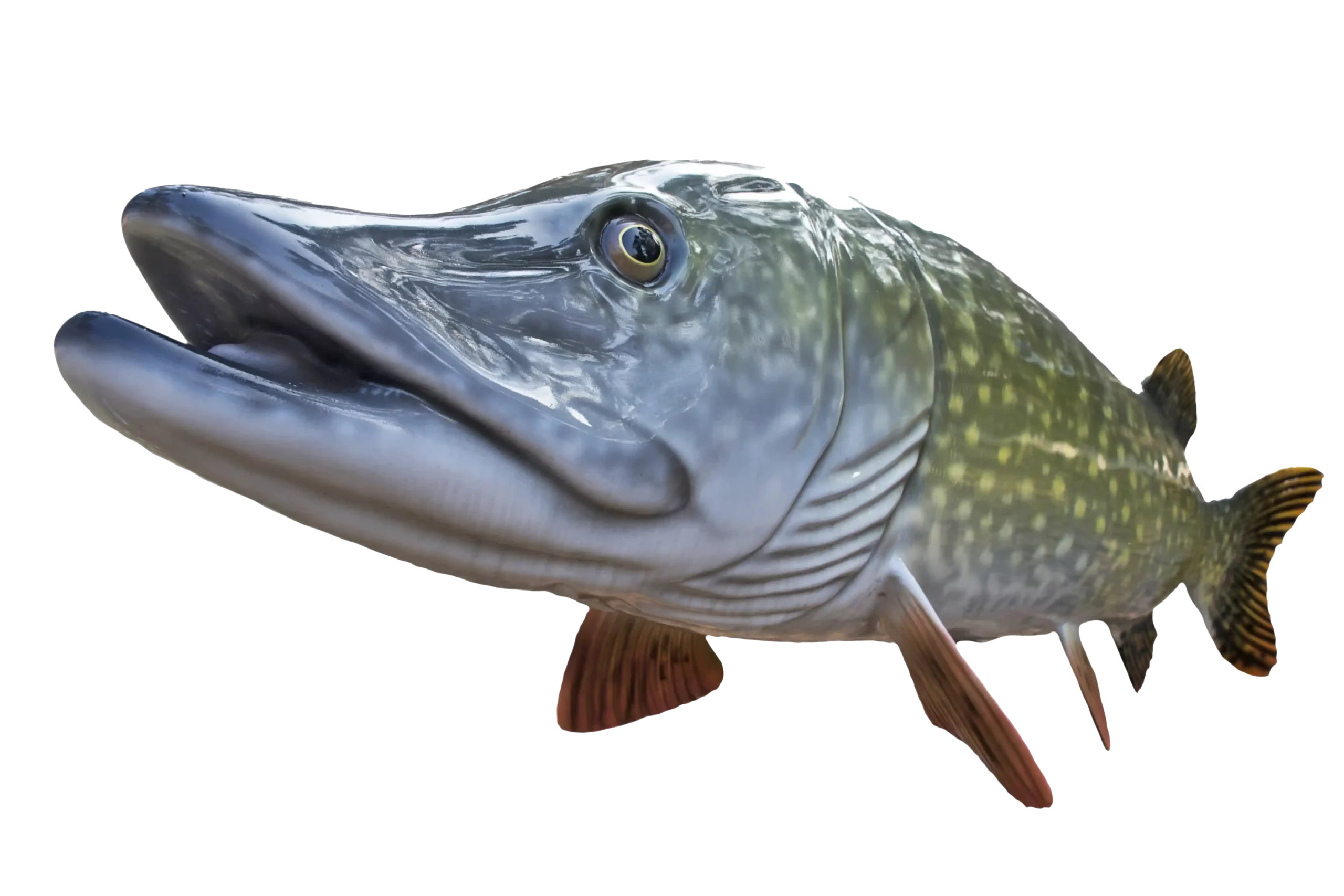
Northern Pike

Sign Up for
Our Newsletter

Subscribe to our mailing list