Article by Scott Mackenthun, special to the Mankato Free Press
We all have a short amount of time on this planet, so one of my annual aspirations is to seek out a new opportunity to be moved by the natural world.
That could mean driving across the country to observe a total solar eclipse or walking across the road to watch a white-tailed deer doe with fawns feed on grass in a firefly-lit meadow at dusk. Taking in the sight of an incredible wild and rare landscape, touring a biome you’ve never seen, or experiencing firsthand the spectacle of an annual migration with concentrated animals are a few ideas of the kinds of visits that leave you awestruck. Leaving an observation experience with gratitude and wonderment for the sanctity of life and this Earth are good for people and for our relationship with nature.
Recently, my daughters and I visited a sharp-tailed grouse lek. For the uninitiated, leks are gathering areas for male sharptails to display. Lek is Swedish for play, so a lek is a location where males will compete for mates and the showmanship, at least to human eyes, seems very much like playing, although it is anything but for the grouse.
Arriving in the pre-dawn darkness, I rushed to park my vehicle on a Lake of the Woods County gravel road and lead my daughters to our viewing blind, a square wooden box with 3 chairs and peep port holes and curtains. As the sun’s first rays started lightening the skies, you could hear the hooting and gobbling.
It was foreign to us as first time sharp-tailed grouse observers. But as the sun rose higher, it was almost as if the orchestra was playing the prelude.
When the curtains on the figurative stage were pulled aside and there was enough light to see clearly, male sharp-tailed grouse were crouched low and calling all over the short-mowed grass, their calls matching up to the cacophony heard in the shrinking darkness just 10 minutes earlier.
Crouching low in almost a bowing posture, the males hooted while dipping their heads and their gobbles elicited a side-to-side headshake. While sharp-tailed grouse are a camouflaged and mottled brown, black, and white in coloration, the males are adorned with superciliary apteria, an ornithological way of saying the combs over their eyes are bright yellow, enlarged, and exaggerated during breeding season. Sharp-tailed grouse are in the genus Tympanuchus, which is Greek for ‘holding a drum,’ a reference for the three species in the genus, the greater and lesser prairie chicken and the sharp-tailed grouse, all of which have drum napes.
According to the Audubon Society, the bright pink drum nape air sacs are extensions of the esophagus and help amplify the birds’ courtship calls. Hearing the birds hoot and gobble, with yellow eye combs catching the sun and pink air sacs inflated gives an incredible visual in the spring early morning sunshine.
If the sound and visuals weren’t enough, we saw some intense battles.
Males faced each other head on and chest bumped one another, slapped each other with wings, pecked at each other, pulled feathers, and even head butted when things got heated. The victor that emerged maintained his position on the lek and got back to dancing while the loser sought a place to dance elsewhere.
The dancing is unquestionably the highlight.
There is calling, there is fighting, there are colorful adornments, but none of it comes close to the grandeur of the dancing. Males spread their wings at their sides, point their tail feathers straight up, crouch low to the Earth, and hoot slowly, before erupting into a sharp staccato of feet dancing rapidly on the ground.
The Audubon Society notes that male sharp-tailed grouse can stamp their feet 20 times per second during these dances. With a sound like machine gun fire or a heavy and rapid rattle, the birds advance or spin before stopping as if to reload, never losing their posture as they go. The sound comes from their tail feathers vibrating, and when one male starts dancing it seems to trigger others as they dance in synchrony.
What were the females doing, you ask? Walking casually through the lek, taking in the show. Who could blame them; it was an amazing spectacle and they had many demonstrative suitors from which to choose.
If you go: Make a reservation for the blind with the Minnesota Department of Natural Resources Baudette Wildlife Office. The lek viewing blind is booked with a call or email for a reservation. It’s worth noting that the lek is not on state land; rather much credit should be given to the family that owns the land and permits visitors to see this spectacle free of charge through the local DNR office. Find overnight accommodations through Lake of the Woods tourism and arrive on the date of your reservation before sunrise. The dancing will be done within the first two hours of the morning. Most dancing occurs in April through the first week of May.
Open Water Fishing on Lake of the Woods & the Rainy River (Summer & Fall): FAQs
Open water fishing on Lake of the Woods and the Rainy River offers some of the most consistent and rewarding fishing in North America. From late spring through fall, anglers experience everything from easy, action-packed summer fishing to trophy opportunities in the fall.
Whether you’re fishing the expansive waters of Big Traverse Bay, the scenic Rainy River, or the island-rich Northwest Angle, this is a destination where both beginners and experienced anglers can succeed. With full-service resorts, experienced guides, and millions of fish, planning your trip is easier than you might think.
What is open water fishing on Lake of the Woods?
Open water fishing refers to the season when the lake is free of ice, typically from May through October. This includes both summer fishing and fall fishing, each offering different patterns, techniques, and opportunities for anglers.
Why is Lake of the Woods considered the “Walleye Capital of the World”?
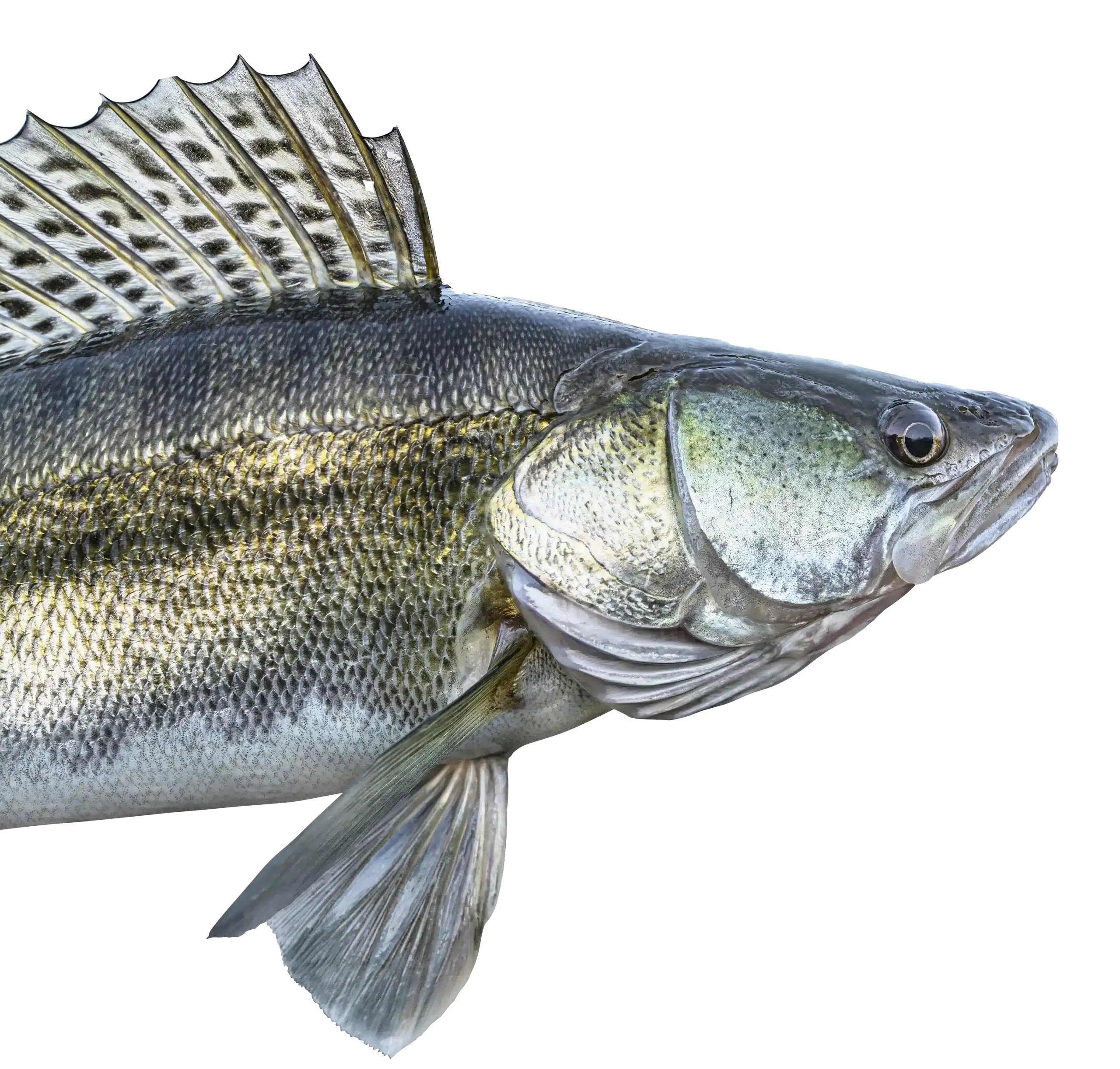
Lake of the Woods is known for its abundant walleye population, consistent fishing success, and ability to produce quality fish throughout the open water season. Anglers regularly catch walleyes in high numbers, along with trophy-class fish, making it one of the most reliable walleye fisheries anywhere.
When is the best time to fish during the open water season?
Fishing is excellent throughout the entire open water season:
- Early Summer (May–June): Walleyes are often shallower and very active.
- Mid-Summer (July–August): Fish spread out, often over deeper mud basins and structure.
- Fall (September–October): Big walleyes feed aggressively, especially in the Rainy River and nearshore areas.
There is always a productive bite happening somewhere on the lake.
Where should I fish on Lake of the Woods?
Lake of the Woods offers three distinct fishing areas:
- South Shore / Big Traverse Bay – Known for open water walleye fishing, especially over deep mud flats.
- Rainy River – A scenic and protected option, excellent in both summer and fall.
- Northwest Angle (Lake of the Woods) – A remote area with thousands of islands, offering incredible structure fishing and multi-species opportunities.
Each area provides a different experience, and many anglers return to explore them all.
What is the Northwest Angle and why fish there?
The Northwest Angle is the northernmost point of the contiguous United States and part of Lake of the Woods. Known for its rugged beauty and more than 14,000 islands, it offers outstanding fishing for walleyes, muskies, smallmouth bass, and northern pike. For anglers looking for a remote, scenic, and structure-rich experience, the Angle is hard to beat.
Is the Rainy River good for fishing in the summer and fall?
Yes. The Rainy River is excellent throughout the open water season. In the summer, it provides a calm, scenic alternative to the lake and is great for walleyes, bass, and pike. In the fall, it becomes a hotspot as walleyes follow emerald shiners into the river, creating outstanding opportunities for big fish.
What fish can I catch during open water season?
Lake of the Woods and the Rainy River offer a wide variety of species:
- Walleyes (primary target)
- Saugers
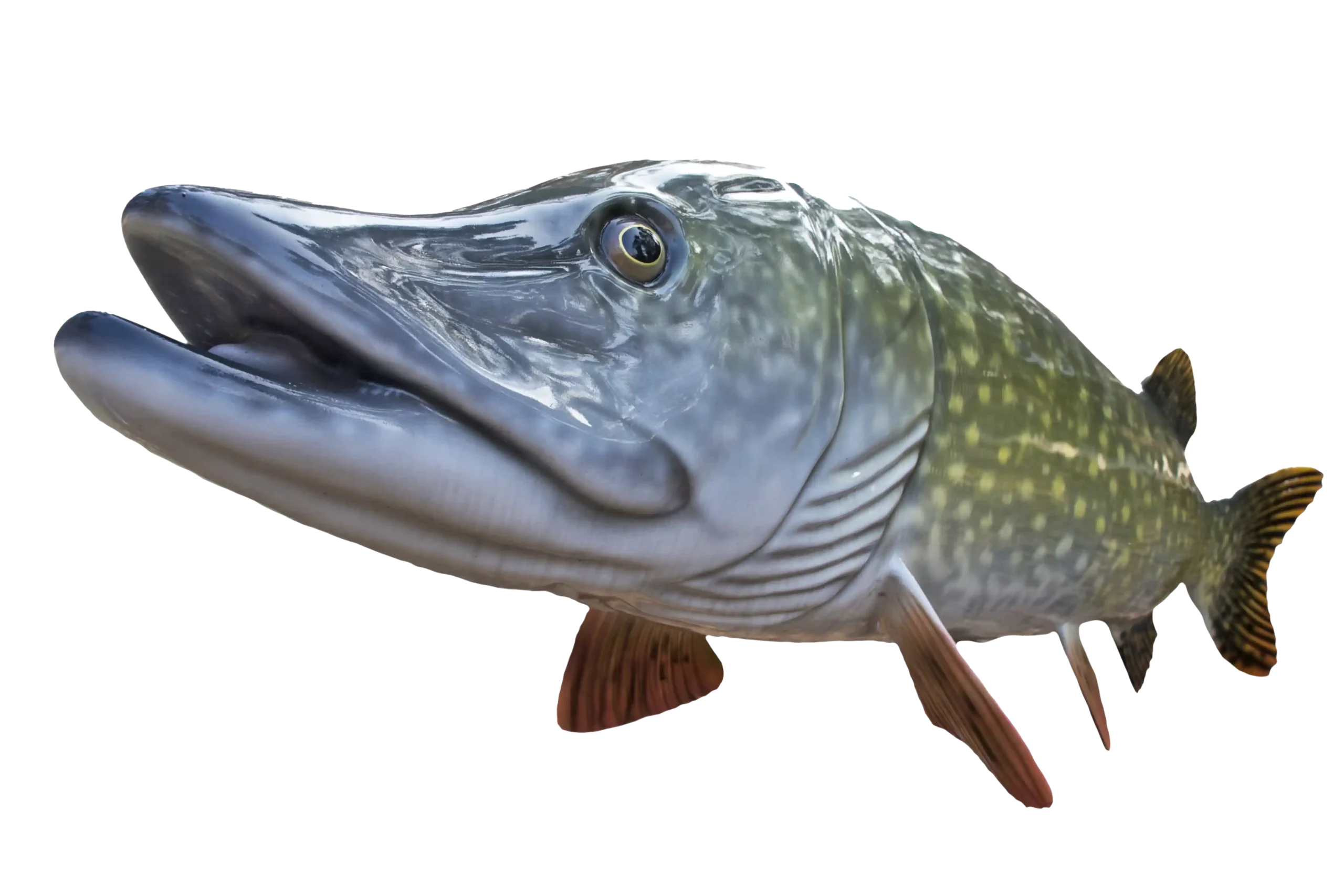
- Northern pike
- Smallmouth bass
- Crappies
- Muskellunge (muskie)
- Yellow perch
This diversity makes it ideal for both serious anglers and families looking for steady action.
Do I need my own boat or fishing equipment?
No. Many resorts offer full-service fishing packages that include guided charter boats, equipment, bait, and fish cleaning. It’s an easy and stress-free way to experience the lake, especially for beginners or visitors traveling from out of town.
Is this a good destination for beginner anglers?
Absolutely. With high fish populations, simple and effective fishing techniques, and knowledgeable guides, Lake of the Woods is one of the most beginner-friendly fishing destinations anywhere.
What techniques are used during open water fishing?
Techniques vary throughout the season, but common methods include:
- Spinner rigs with crawlers
- Jigging with minnows or soft plastics
- Trolling crankbaits to cover water
Guides and anglers adjust techniques based on fish location and seasonal patterns.
How deep do you fish for walleyes?
Depths vary depending on the time of year and location, but anglers commonly fish between 15 and 35 feet during the open water season. Fish may relate to mud flats, reefs, points, or shoreline structure depending on conditions.
What should I bring on a fishing trip?
If fishing with a guide or charter, you typically only need:
- A valid Minnesota fishing license
- Weather-appropriate clothing
- Sunglasses, sunscreen, and a hat
- Food and beverages
Most equipment and gear are provided.
Can I keep and eat the fish I catch?
Yes, within Minnesota fishing regulations. Many anglers enjoy a traditional shore lunch or bring fish back to their resort for a fresh fish fry—one of the highlights of a trip to Lake of the Woods.
How do I plan a fishing trip to Lake of the Woods?
Planning is simple. Start by selecting a resort that fits your style, whether you’re looking for a full-service experience, family-friendly lodging, or a remote getaway. Many resorts offer packages that include lodging, meals, and guided fishing. Booking early is recommended, especially for peak summer and fall dates.
Ready to Experience Open Water Fishing?
From easy, action-filled summer fishing to trophy opportunities in the fall, Lake of the Woods and the Rainy River offer an experience that’s hard to match. With beautiful scenery, abundant fish, and full-service options, it’s a destination anglers return to year after year.