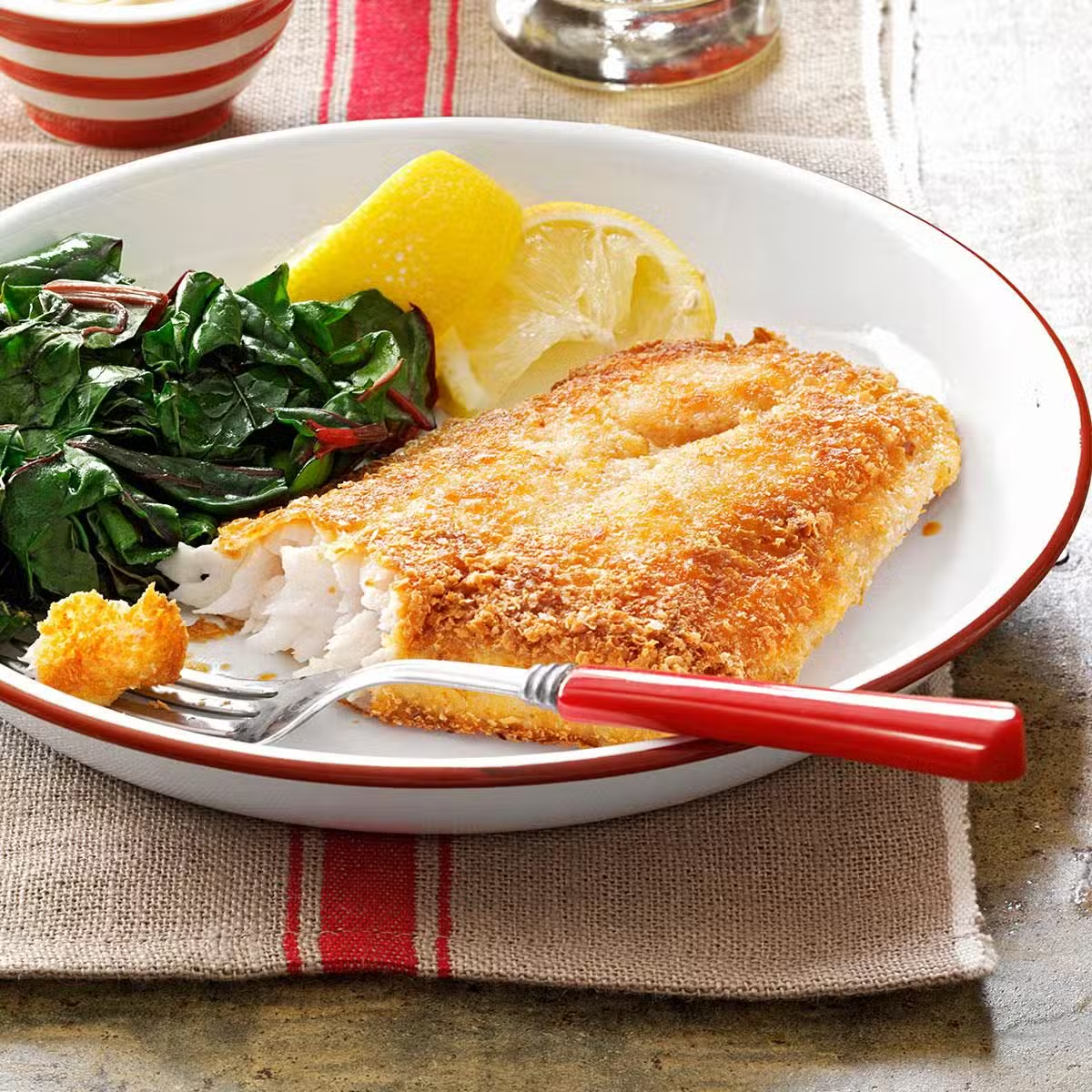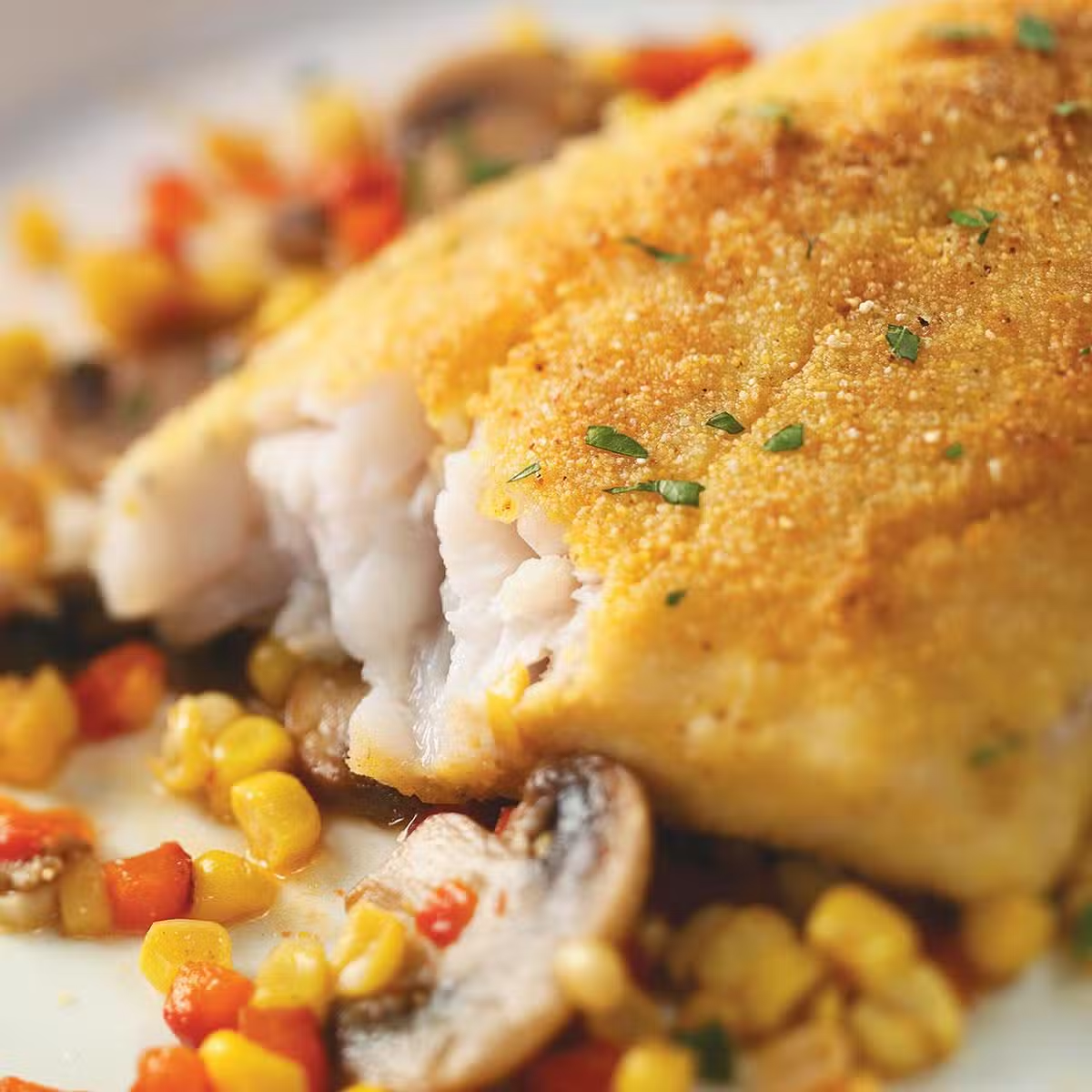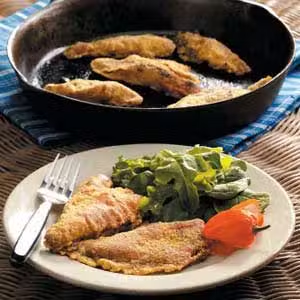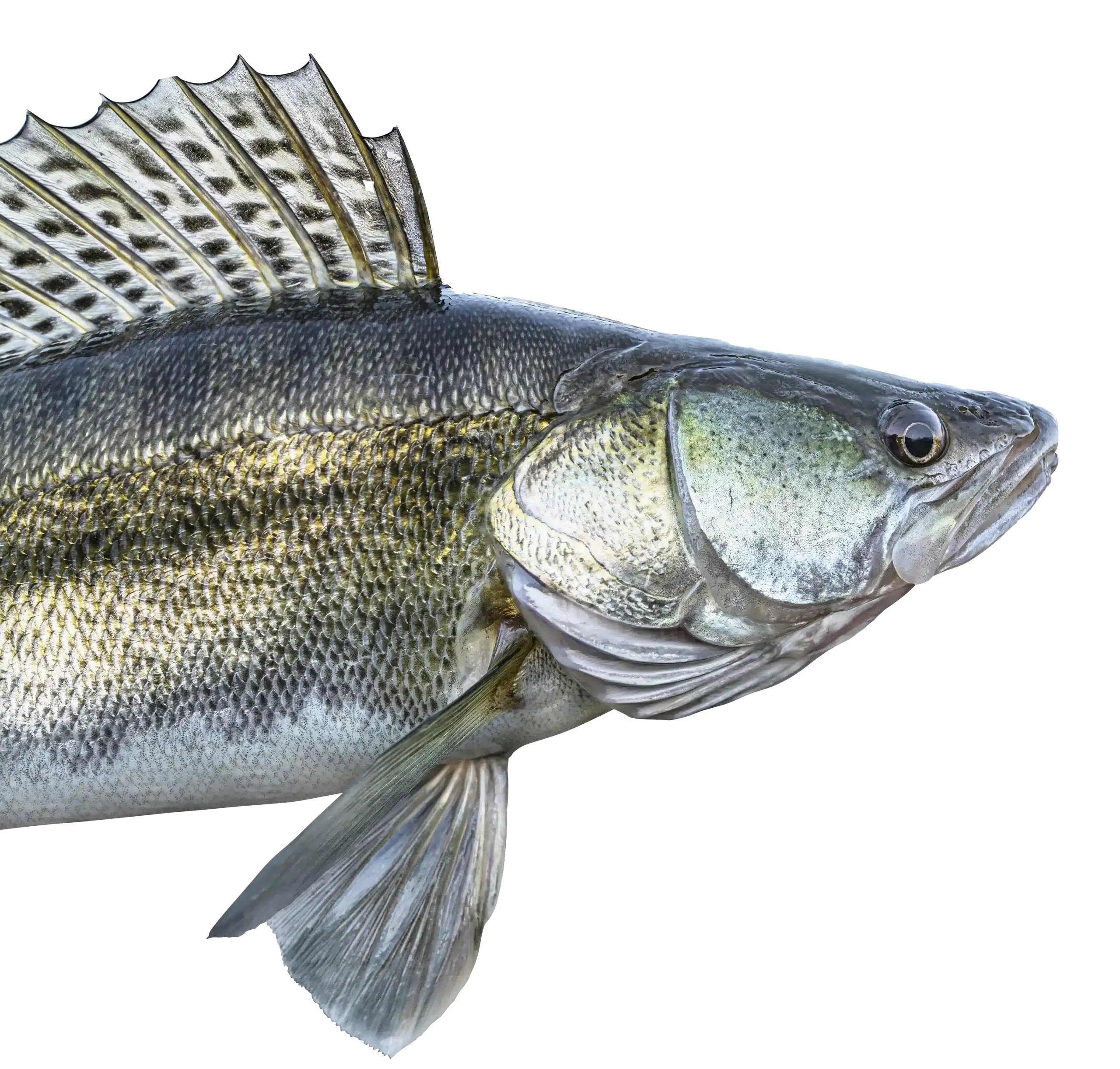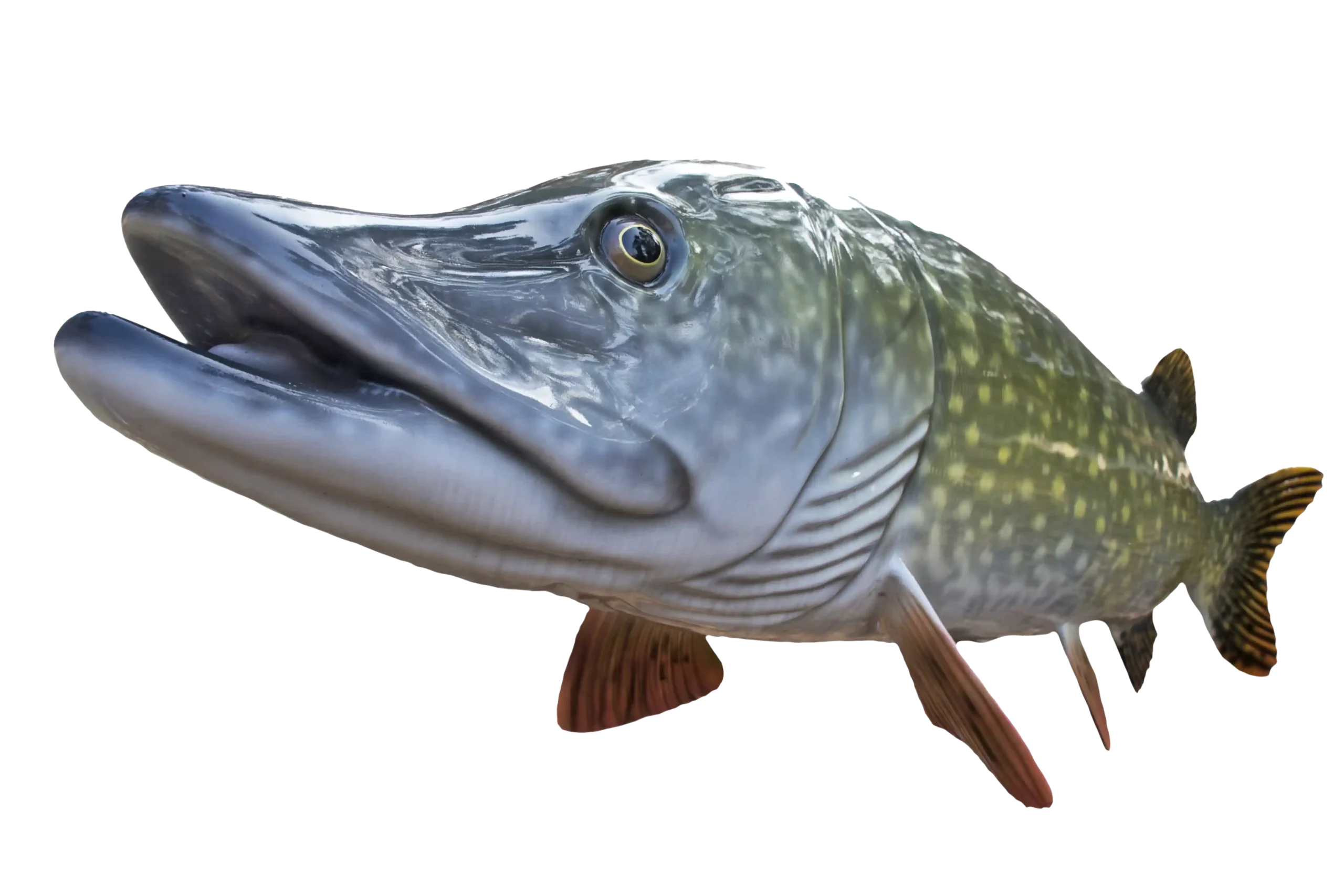
Place taco seasoning in a large resealable bag; add perch fillets, one at a time, and shake to coat. In a shallow bowl, lightly beat the egg. Combine cornmeal and flour in another shallow bowl. Dip fillets in egg, then coat with cornmeal mixture. Place in a single layer on a plate; refrigerate for 15 minutes.
In a large skillet, heat oil over medium-high heat. Fry fillets for 2-3 minutes on each side or until fish flakes easily with a fork.
Step 2. Combine lemon juice, salt, hot sauce, oil, parsley, and Worcestershire sauce in a bowl then mix for 15-20 seconds.
Step 3. Place the 6 pieces of northern pike in a shallow dish and cover with mixture. Marinate at room temperature for 30 minutes. Turn once and marinate for another 30 minutes.
Step 4. Once done marinating, take out pike fillets and set aside. (Do not throw out the remains of the marinade. This will be used later on.)
Step 5. Place fish in a well-greased broiler basket and sprinkle with salt.Â
Step 6. Grill over medium-hot coals or grill setting Now use the leftover marinade for basting the pike fillets and turn.
Step 7. Grill for 5-8 minutes until the pike flakes easily with a fork.
Step 8. Sprinkle paprika, and enjoy your tasty pike!
2 celery ribs, finely chopped
Photo by Taste of Home
1 can (6 ounces) crabmeat, drained, flaked and cartilage removed or 1 cup imitation crabmeat, flaked
1/4 cup butter, cubed
4 cups crushed seasoned stuffing
1-1/2 cups boiling water
1/2 teaspoon salt
1/8 teaspoon pepper
1/8 teaspoon cayenne pepper
4 walleye fillets (about 8 ounces each)
Directions
In a large skillet, cook bacon over medium heat until crisp. Remove to paper towels; drain. In the same skillet, saute the onion, celery and crab in butter until vegetables are tender. Transfer to a large bowl. Add the stuffing, water, salt, pepper and cayenne; toss to moisten.
Place fillets in a greased 15x10x1-in. baking pan. Spoon stuffing mixture over fillets; top each with 2 pieces of bacon. Bake, uncovered, at 425° for 20-25 minutes or until fish flakes easily with a fork.
2 pounds perch or walleye fillets, cut into serving-sized pieces
Oil for frying
Lemon wedges, optional
Directions
Combine 1 cup flour, baking powder, salt and sugar. In another bowl, combine egg, water and 1/3 cup lemon juice; stir into dry ingredients until smooth.
Place remaining 1/3 cup lemon juice and remaining 1/2 cup flour in separate shallow bowls. Dip fillets in lemon juice, then flour, then coat with egg mixture.
Besides the great walleye, jumbo perch are also caught in the great waters of Lake of the Woods!!
Ingredients
2 tablespoons dry bread crumbs
1 tablespoon grated Parmesan cheese
1 tablespoon paprika
1 teaspoon dried basil
1 pound perch or fish fillets of your choice
1 tablespoon butter, melted
Directions
In a shallow bowl, combine the bread crumbs, Parmesan cheese, paprika and basil. Brush fish fillets with butter, then dip into the crumb mixture. Place in a greased baking pan. Bake, uncovered, at 500° for 10 minutes or until fish flakes easily with a fork.
Add a little Cayenne pepper if desired for some extra zest.
Preheat oven to 400°. In a bowl, beat eggs. Gradually add sugar. While beating, slowly pour in oil; add vanilla. Combine the next 4 ingredients; add alternately with the sour cream to the egg mixture. Gently fold in blueberries.
Fill 24 greased muffin cups three-fourths full. Bake until a toothpick inserted in center comes out clean, 18-20 minutes. Cool 5 minutes before removing from pans to wire racks.
During Blueberry season in northern Minnesota it’s always great to look forward to that great blueberry pie. Here’s a recipe from Taste of Home that will do the trick!!
Ingredients
4 cups fresh blueberries
1 tablespoon lemon juice
1/2 teaspoon grated lemon zest
1-1/4 to 1-1/2 cups sugar
1/4 cup quick-cooking tapioca
1 tablespoon cornstarch
1/2 teaspoon ground cinnamon
Pastry for a double-crust pie (9 inches)
1 tablespoon butter, softened
1 large egg
1 tablespoon 2% milk
Coarse sugar, optional
Directions
Preheat oven to 350°. Combine blueberries, lemon juice and lemon zest. In another bowl, combine sugar, tapioca, cornstarch and cinnamon. Add to berries; toss gently to coat.
On a lightly floured surface, roll half the pie dough to a 1/8-in.-thick circle; transfer to a 9-in. pie plate. Trim crust to 1/2 in. beyond rim of plate. Add blueberry mixture. Dot with butter.
Roll remaining dough to a 1/8-in.-thick circle; cut into 1-in.-wide strips. Arrange over filling in a lattice pattern. Trim and seal strips to edge of bottom crust; flute edge. Whisk egg and milk; brush over crust. If desired, sprinkle with coarse sugar.
Bake 30 minutes. Cover edge loosely with foil. Bake until crust is golden brown and berries have burst, about 30-35 minutes more. Cool on a wire rack.
Pastry for double-crust pie (9 inches):Â Combine 2-1/2 cups all-purpose flour and 1/2 tsp. salt; cut in 1 cup cold butter until crumbly. Gradually add 1/3 to 2/3 cup ice water, tossing with a fork until dough holds together when pressed. Divide dough in half. Shape each into a disk; wrap in plastic wrap. Refrigerate 1 hour or overnight.
Whether it’s cod, catfish or walleye, we’ll point you to the best oil to fry any kind of fish.
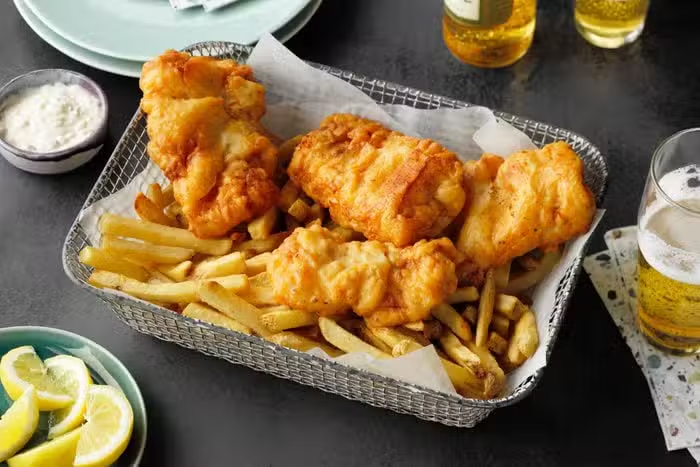
There’s nothing like a beautifully fried piece of fish. It can be halibut or cod, catfish or walleye, beer-battered or bread crumb-crusted, all with a golden brown on the outside, and tender and flaky on the inside. It’s easy to deep fry at home, but there are a few rules to follow to ensure your fried fish comes out perfect.
You first want to make sure you’re picking the best fish for frying. Then decide if you want to deep-fry the fish or simply saute the fish in a pan, both of which require different cooking oils.
For deep-frying, whether in a deep-fryer or a cast-iron pan or high-sided pot, choosing the best oil to fry fish is essential to getting that delicious crispy crunch end result. And that comes down to two things: The oil’s smoke point, and if it will impart any flavor to your fish. We’ll break it all down for you here.
How to Choose the Best Oil For Frying Fish
If you want a crisp and light tasting piece of fish, it’s imperative to choose the best oil for frying. To properly fry something, you need to keep the oil temperature between 350°F and 375°. Some oils perform well at these higher temperatures, and others just can’t take the heat. Some oils don’t like any heat at all and lose their flavor completely when hot. So how do you choose?
Smoke Point
When picking the best oil to fry fish, start with the smoke point. If the oil doesn’t have a high enough smoke point—the temperature at which oil begins to burn and smoke—it could render the fish soggy and greasy. When you cook oil past its smoke point, it can taste burnt and acrid, imparting those flavors on whatever it is you’re frying. None of this is good for a proper fish fry.
All fats have a smoke point, be it butter, olive oil or canola oil. When you cook with high heat, you want an oil with a high smoke point. Cooking something over low heat, like when you saute something in a pan, you want an oil with a lower smoke point. Here are some popular oils for frying and their smoke points.
Avocado oil: Smoke point 520° Safflower oil: Smoke point 510° Peanut oil: Smoke point 450° Clarified butter (ghee): Smoke point 450° Vegetable oil: Smoke point 400° to 450° Canola oil: Smoke point 400° Coconut oil: Smoke point 350° Olive oil: Smoke point 325° to 375°
Flavor
When frying fish, you don’t want to mask the delicate flavor of whatever type of fish you’re using. You want your fish to taste great with classic tartar sauce and sides for fried fish! So it’s best to use a neutral oil, like canola, vegetable and safflower oil to fry fish.
Best Oil for Frying Fish
So which oil should you go with to fry fish? Primarily, you need a neutral oil with a high smoke point. These are our preferred oils.
Canola Oil
Canola is kind of the jack-of-all-trades oil and perfect for searing, frying, browning or roasting. Canola is a varietal of the rapeseed plant that was developed in the 1960s using natural crossbreeding. It’s a great go-to for frying fish since it is a very light oil, has a good smoke point and is not too expensive.
Vegetable Oil
With a smoke point between 400º and 450º, vegetable oil is the best bet for deep-frying. A neutral oil made from various ingredients (including soybeans, sunflower seeds, corn, canola, sesame and more), it imparts little to no flavor and helps achieve crispy, crunchy textures.
Safflower Oil
With its high smoke point and neutral flavor, refined safflower oil is ideal for frying fish. It’s important not to use unrefined or semi-refined safflower oil, however. Those have lower smoke points (225º and 320º, respectively), which aren’t good for frying. Save those for marinades or salad dressings.
Peanut Oil
While used more for frying chicken and french fries, peanut oil’s high smoke point makes it a great contender for frying fish. It could add a slightly nutty flavor to the finished product, however.
Sunflower Oil
High oleic sunflower oil has a high smoke point, and it’s mostly neutral in flavor. It can have a slight nuttiness, which could affect the flavor of whatever you fry. If that doesn’t bother you, it’s great for frying fish.
1/4 teaspoon salt
Fried Walleye with Tartar Sauce Recipe and Photo by Taste of Home
1/8 teaspoon pepper
FISH:
2 cups all-purpose flour
2 teaspoons lemon-pepper seasoning
1 teaspoon baking powder
1 teaspoon garlic salt
1/2 teaspoon dried parsley flakes
1-1/2 cups ice water
2 tablespoons canola oil
Oil for deep-fat frying
2 pounds walleye fillets, cut into 6 pieces
Lemon wedges
Directions
In a small bowl, combine first 5 ingredients; cover and refrigerate until serving.
For fish, in a shallow bowl, combine flour, lemon pepper, baking powder, garlic salt and parsley flakes. Combine ice water and 2 tablespoons oil; whisk into dry ingredients just until smooth.
In an electric skillet or deep fryer, heat oil to 375°. Dip fillets in batter, turning to coat; allow excess batter to drip off. Fry fillets, a few at a time, until golden brown and fish just begins to flake easily with a fork, 5-7 minutes on each side. Drain on paper towels. Serve with sauce and lemon.
July is the time when wild blueberries appear on the scene at Lake of the Woods. Use this recipe for either wild or tame blueberries and get a taste treat!!
Prep Time15 min Cook Time1 hour 15 min
Ingredients
1 sheet refrigerated pie crust
6 cups fresh or frozen wild blueberries
3/4 cup sugar
3 tablespoons all-purpose flour
1/8 teaspoon ground cinnamon
Photo by Taste of Home
1 teaspoon minced fresh thyme, optional
1/2 teaspoon grated lemon zest, optional
1 tablespoon butter, cubed
TOPPING:
12 shortbread cookies
3 tablespoons quick-cooking oats
3 tablespoons brown sugar
3 tablespoons butter, cubed
2 tablespoons all-purpose flour
1/4 teaspoon ground cinnamon
Dash salt
Whipped cream
Directions
Preheat oven to 400°. Unroll pie crust into a 9-in. cast-iron skillet or deep-dish pie plate; flute edge.
In a large bowl, combine the blueberries, sugar, flour, cinnamon and, if desired, thyme and lemon zest; toss gently. Spoon into crust; dot with butter.
In a food processor, cover and process cookies until coarsely chopped. Add the oats, brown sugar, butter, flour, cinnamon and salt; process until crumbly. Sprinkle over berry mixture.
Bake 45 minutes, lowering the temp to 350 and baking for another 30 minutes until crust is golden brown and filling is bubbly. Cover edge with foil during the last 15 minutes if necessary to prevent overbrowning. Cool on a wire rack. If desired, serve with whipped cream.